
Woodworking Foot Switch Selection for Equipment OEMs
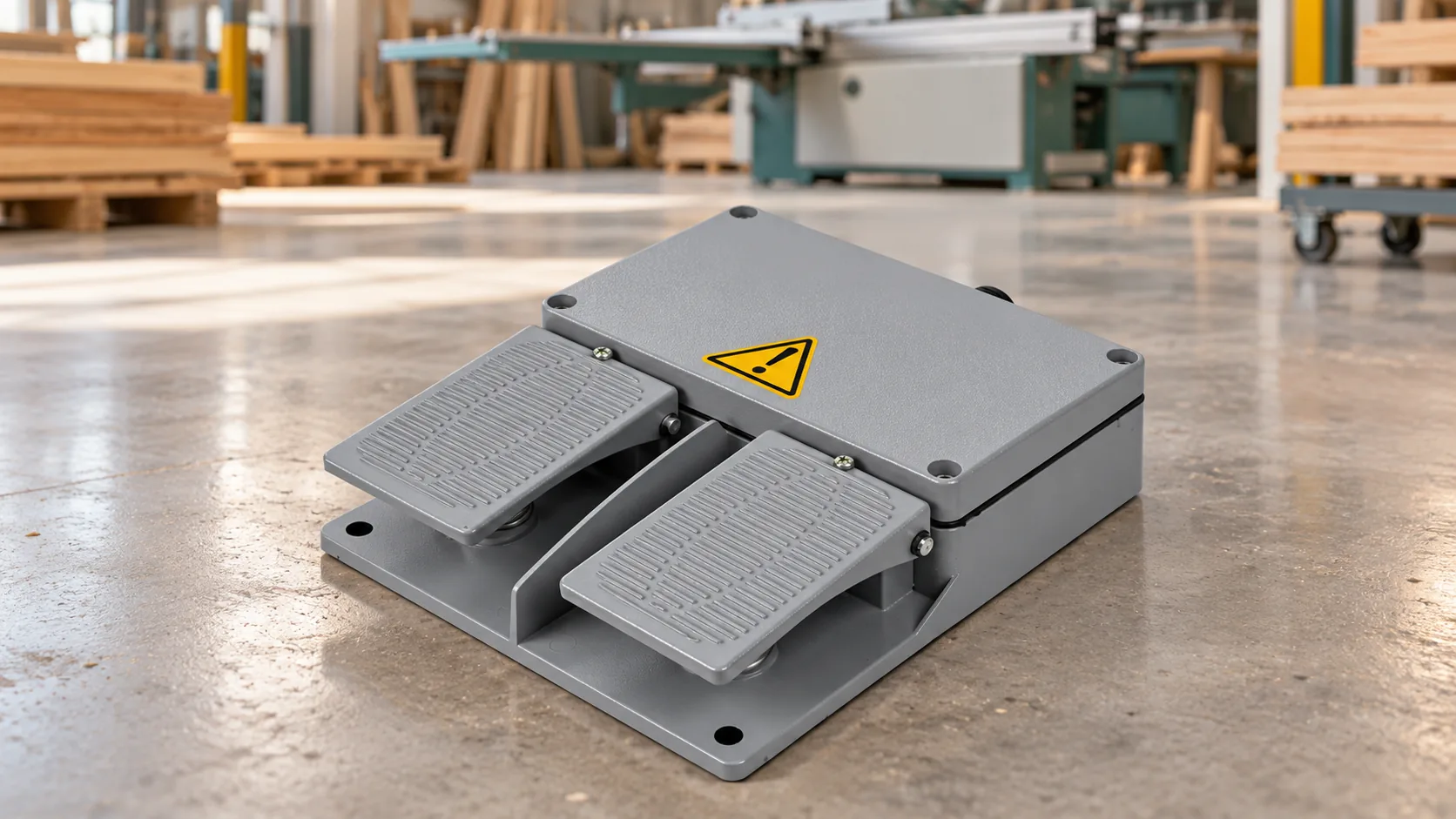
A woodworking foot switch lets an operator control equipment without moving a hand from the work area, but that convenience does not make the pedal a safeguard. Machine builders should first decide whether the pedal is a momentary command, a maintained on/off control or part of a multi-step sequence. Then match the contact duty, mounting, cable, floor conditions and dust exposure to the machine. A pedal that looks sturdy may still have the wrong electrical rating, return action or guard geometry. For a woodworking foot switch, validate the pedal and its controller as part of the machine design, and keep blade guarding, stop functions and lockout procedures separate.
Define what the pedal is supposed to do
Start with the machine sequence, not the switch catalogue. A foot pedal might request a temporary run command, enable a cycle while it is held, move a powered table, or select one of several machine functions. These actions require different control behavior. A momentary foot switch returns to its rest state when released. A maintained switch changes state and remains there until it is pressed again. A dual-pedal assembly may command two directions, separate actions or a sequence managed by the machine controller.
Write down what should happen on press, release, power loss, cable failure and restoration of power. If releasing the pedal must stop motion, the controller and power switching path must be designed and validated to produce that behavior. Do not infer a “dead-man” or safety function from the pedal’s shape, color or return spring.
| Requirement | Pregunta de diseño típica | Qué verificar |
|---|---|---|
| Momentary run request | Must motion stop when the operator releases the pedal? | Return action, controller logic and stop response at the actual load |
| Maintained on/off | Is a persistent state permitted for this machine function? | State indication, restart behavior and risk assessment |
| Two-pedal control | Do the pedals command independent, interlocked or opposite actions? | Contact form, electrical isolation and tested logic for conflicting commands |
| Setup or jogging | Is the pedal used only during a controlled setup mode? | Mode selection, restricted motion and the approved safety concept |
Match the electrical duty to the tool or machine
Record the voltage, steady current, load type, startup current, switching frequency and expected electrical life. A foot-switch rating for a resistive load does not automatically cover a motor, transformer or solenoid. The switch contacts make and break current; the electrical duty at that moment can be more demanding than the running current alone suggests.
For larger motors or loads whose startup and interruption duties exceed the foot switch’s documented rating, the foot switch is commonly used as a control input to a relay, contactor or machine controller. That does not mean every application needs the same interface. The electrical designer must select the switching device and protection from the motor data, load behavior and applicable requirements. Do not connect mains or a motor directly to a pedal based only on a product photo or an ampere number without the exact model’s rating conditions.
Confirm contact form and the unactuated state from the wiring diagram. A normally-open contact is not simply “the safe contact,” and a normally-closed contact is not automatically fail-safe. Fault behavior depends on the complete control system. LEMA’s foot-switch contact-rating guide outlines the load and switching information to include in an RFQ.
Protect the pedal from accidental operation
A pedal is easy to press unintentionally if an operator, coworker, offcut or falling object can reach it. OSHA’s woodworking-machinery rule requires each operating treadle to be protected against unexpected or accidental tripping. It also addresses controls that prevent hazardous automatic restart after power is restored. In the U.S. regulation, some machines have specific requirements for a treadle guard; the machine designer must identify which provisions apply to the equipment and workplace.
A pedal guard is not the same as a blade guard, interlock or validated safety control. It can reduce accidental contact with the foot switch, but does not by itself keep a hand away from a cutter or stop a machine within a safe distance. The cutting hazard, stopping time, operating mode and machine type determine the safeguarding needed. OSHA’s woodworking-machinery rule calls for treadles to be protected against unexpected or accidental tripping. See LEMA’s broader guarded foot-switch selection guide for the relationship between the pedal hood and machine guarding.
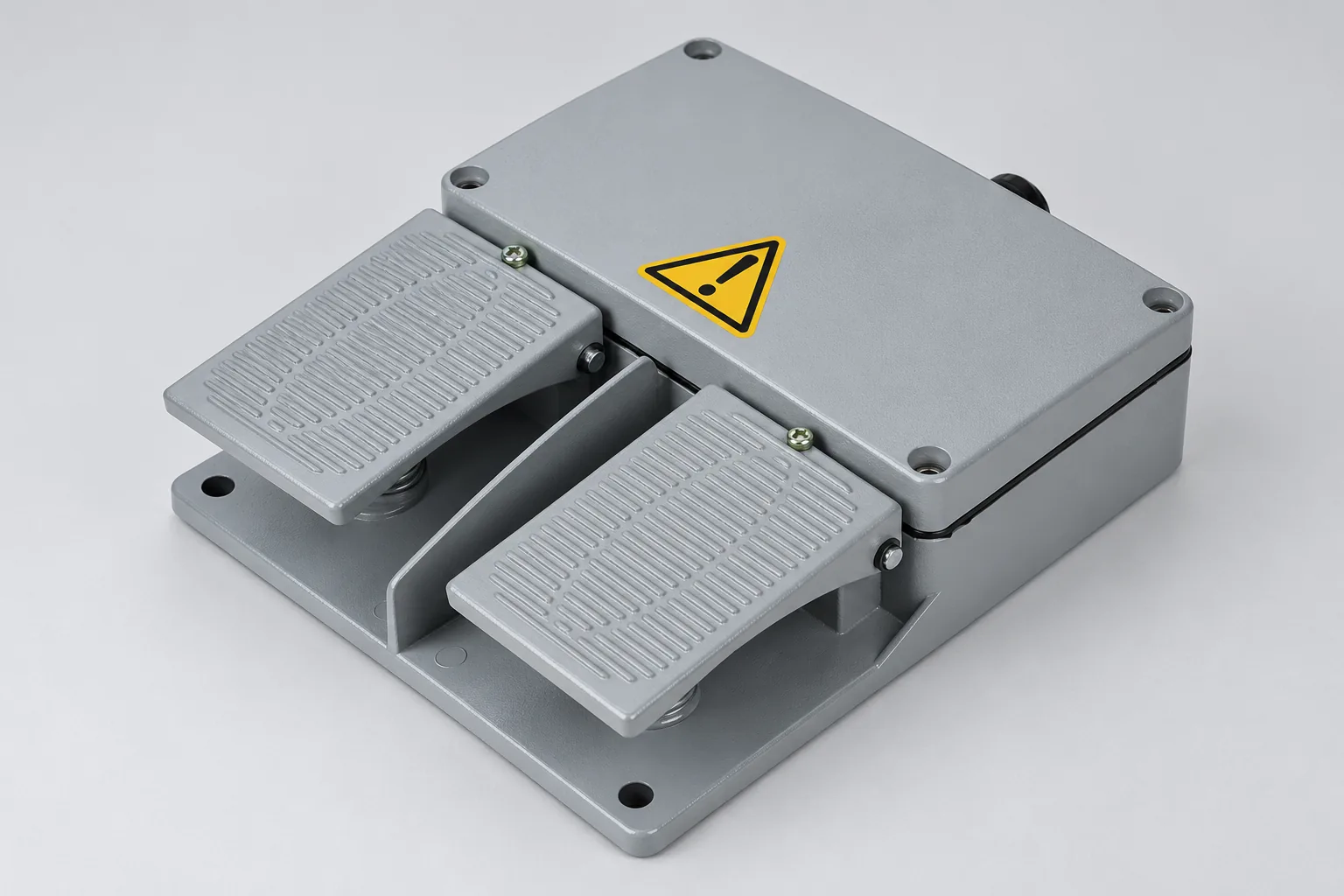
Consider dust, floor contact and cable routing
Woodworking areas can expose controls to fine dust, chips, finish, oil, cleaning liquids and repeated cable movement. Describe the real exposure: dry indoor use, dust collection, washdown, outdoor transport, or another condition. “High protection” is not a complete specification. Request the exact model’s ingress rating and the conditions for maintaining it, including the cable gland and connector.
Check whether the pedal remains stable on the planned floor, whether feet can reach it without a hazardous stance, and whether the cable can be protected from wheels, offcuts and the operator’s shoes. Define mounting holes, fastener access, cable exit direction, strain relief, pedal spacing and any protective cover. A loose pedal that shifts during use can create a different control response than the one tested on a bench.
CCOHS advises operators to keep machine guards in place, understand the equipment instructions and isolate power before inspection, cleaning or repair. Those are workplace practices; they do not establish the rating or performance of a specific foot switch. Select the pedal for its documented environmental limits and validate the complete machine installation.
Keep the stop, restart and safety functions explicit
A normal run/stop command, emergency stop and energy-isolating device are different functions. A foot pedal may request operation, but it should not be treated as the machine’s only emergency stop or maintenance isolation method unless the complete system is explicitly designed and assessed for that role. HSE guidance advises that operating controls be designed and placed to avoid accidental operation and that guards and interlocks follow the machine risk assessment.
Consider what happens if a pedal contact sticks, the cable is cut, a pedal is held down through a power interruption, or the controller reboots. Decide whether the machine should require a deliberate reset before it runs again. A separate restart-prevention device may be necessary depending on the machine and jurisdiction. Maintenance and jam clearing require the equipment’s energy-control procedure, not just releasing the pedal or pressing a stop button.
CCOHS woodworking-machine guidance reminds operators to keep guards in working condition and isolate power before inspection or repair. For employers in the UK, the Health and Safety Executive’s safe-use guide for woodworking machinery describes the broader machinery and guarding context. Apply the requirements for the equipment’s location rather than treating one jurisdiction’s guidance as a universal wiring instruction.
Use the LF Series only after model-specific review
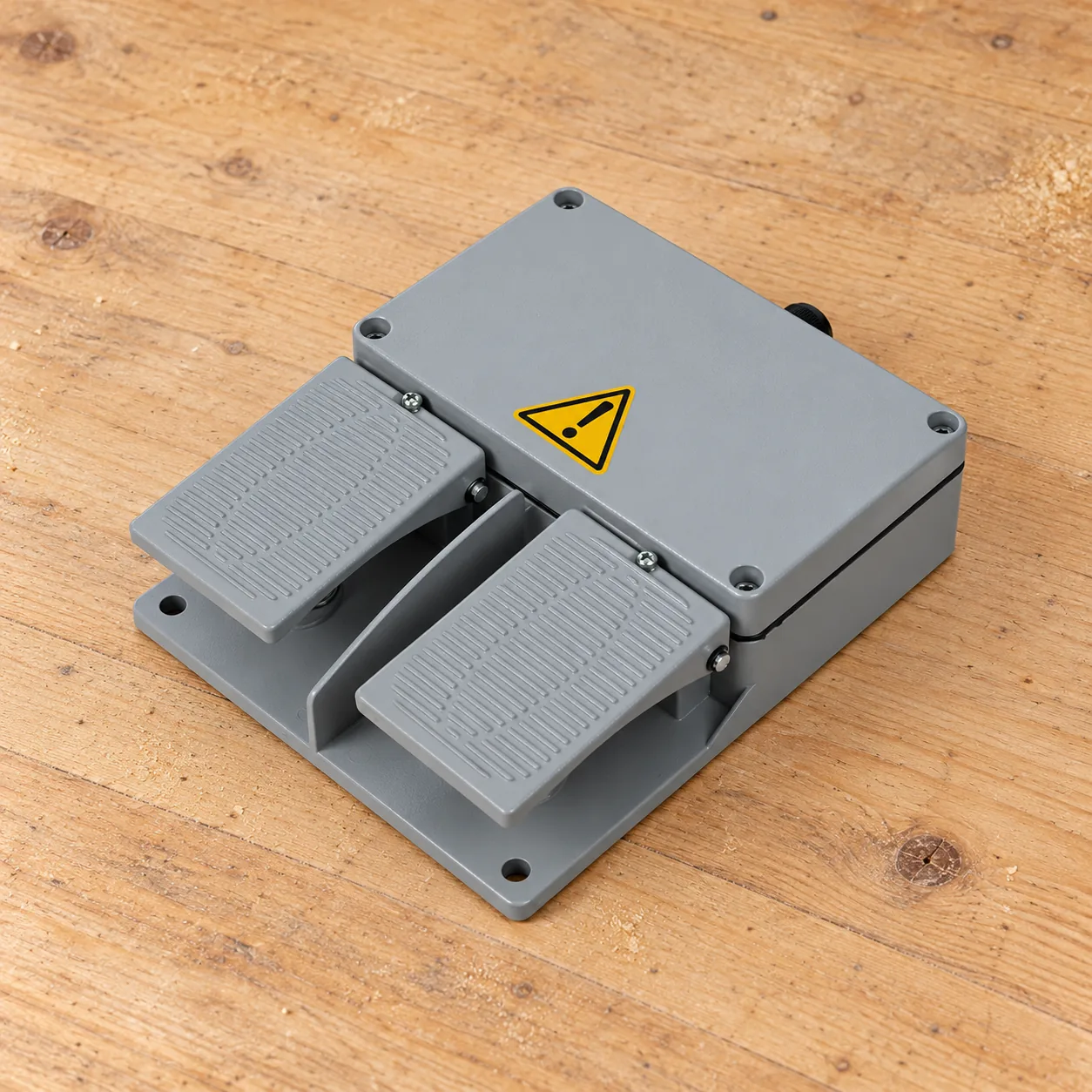
LEMA’s LF Series Foot Switch page describes strong construction, customizable cable length, multiple contact forms and applications including stamping and automation equipment. Its image library shows single- and dual-pedal variants, including a guarded assembly. The page does not identify a woodworking machine model or declare every LF variant suitable for every saw or router. Treat it as a component candidate and request the exact drawing, electrical duty, environmental specification and written application confirmation.
Before sample approval, compare the exact model to the control sequence, controller input, contact rating, pedal guard and mounting plan. A product family may contain different enclosures, pedal arrangements and contact forms. Do not transfer ratings or features from one variant to another. For exposure and mounting checks, see LEMA’s foot-switch IP-rating guide and its single- versus dual-pedal comparison.
Prepare a woodworking-equipment RFQ
- Name the tool or machine, intended operator and control function.
- State momentary or maintained behavior, number of pedals, contact form and required rest state.
- Provide supply voltage, load type, running current, startup duty, switching frequency and protection scheme.
- Describe accidental-activation hazards and the separate safeguarding measures.
- Give floor, mounting, dust, liquid, temperature, cable length and strain-relief conditions.
- Specify the expected behavior after release, power loss, cable fault and restoration.
- Request the exact product drawing, ratings, environmental documents and sample-validation plan.
Approve a sample only after testing it with the intended controller and machine sequence. Record the model number and drawing revision. This makes a future replacement less likely to alter the pedal action or defeat the machine’s safety design.
Watch a university machine-shop safety overview
This Drexel University machine-shop video provides general shop-safety context. It does not describe the LEMA foot switch, wiring or a particular woodworking-machine guard design. Use the machine maker’s instructions and applicable safety rules for the actual equipment.
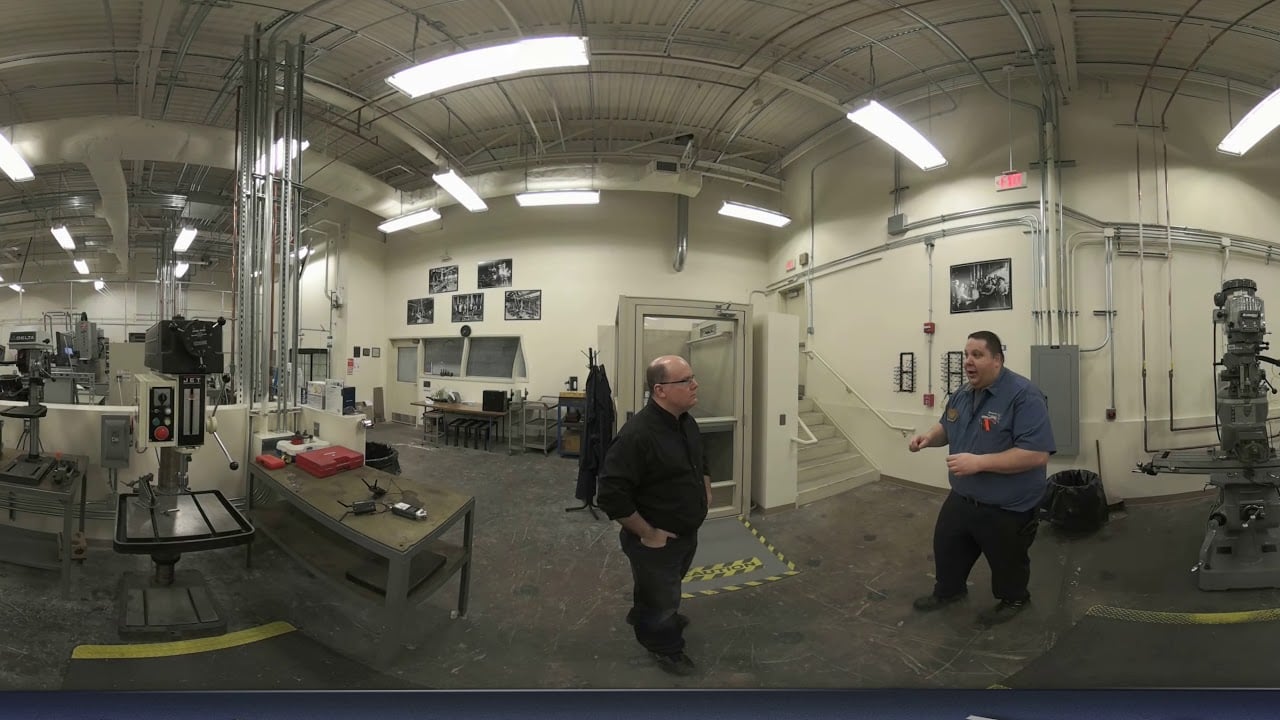
Watch the Drexel machine-shop safety overview on YouTube.
Preguntas frecuentes
Is a woodworking foot switch a machine safeguard?
No. It is an operating control. The machine needs the guards and protective functions required by its design and risk assessment. A pedal hood alone does not guard a cutting point.
Should the foot switch be momentary or maintained?
Choose from the machine sequence and risk assessment. A hold-to-run function requires the machine to stop when released as designed. A maintained state can persist after the operator steps away, so verify restart and state-indication behavior.
Can I use a 15 A foot switch on a 15 A motor?
Not based on the number alone. Confirm voltage, AC or DC, load category, starting current, interruption duty, switching frequency and the exact model’s rating. Use a properly rated contactor or other interface if the control design requires one.
Does an LF-series guard make the pedal safe for a saw?
No. The guard is a product feature, not a machine-specific safety approval. The woodworking machine’s safeguards, control circuit, stop response and risk assessment must be reviewed together.