
Power inlet pollution degree describes the expected contamination conditions affecting insulation in the relevant equipment environment. It is not a measure of outdoor air quality, a waterproof rating or a shortcut to selecting an inlet by current alone. Define the microenvironment around the insulating paths, including dust, moisture and possible condensation, then review the component and finished assembly under the applicable equipment requirements. For the LEMA IPZ inlet family, request evidence for the exact ordered version and intended installation. This guide does not assign a pollution degree, approval or permissible spacing to an unidentified IPZ variant.
Define the environment at the insulation
A factory can have dusty production areas while a protected compartment remains comparatively clean. Conversely, a cabinet installed in an ordinary room can draw contaminated air through a fan or collect condensation during temperature changes. The relevant question is what reaches the insulation being assessed over the equipment’s intended use, not simply whether the building is described as indoor or outdoor.
El IEC insulation coordination publication covers clearances, creepage distances and criteria for solid insulation within its stated scope. NI’s explanation of pollution degree describes how contamination categories relate to electrical equipment and insulation distances. Use these sources to frame the review; obtain the applicable requirements and full component evidence before choosing actual limits.
Map the inlet region separately from other parts of the machine. The accessible mating side, the internal terminals and nearby insulating surfaces may experience different conditions. An external panel gasket may protect one interface while leaving internal wiring exposed to cabinet contamination. A useful drawing identifies the path being assessed, the boundary relied on and the environmental assumption behind it.
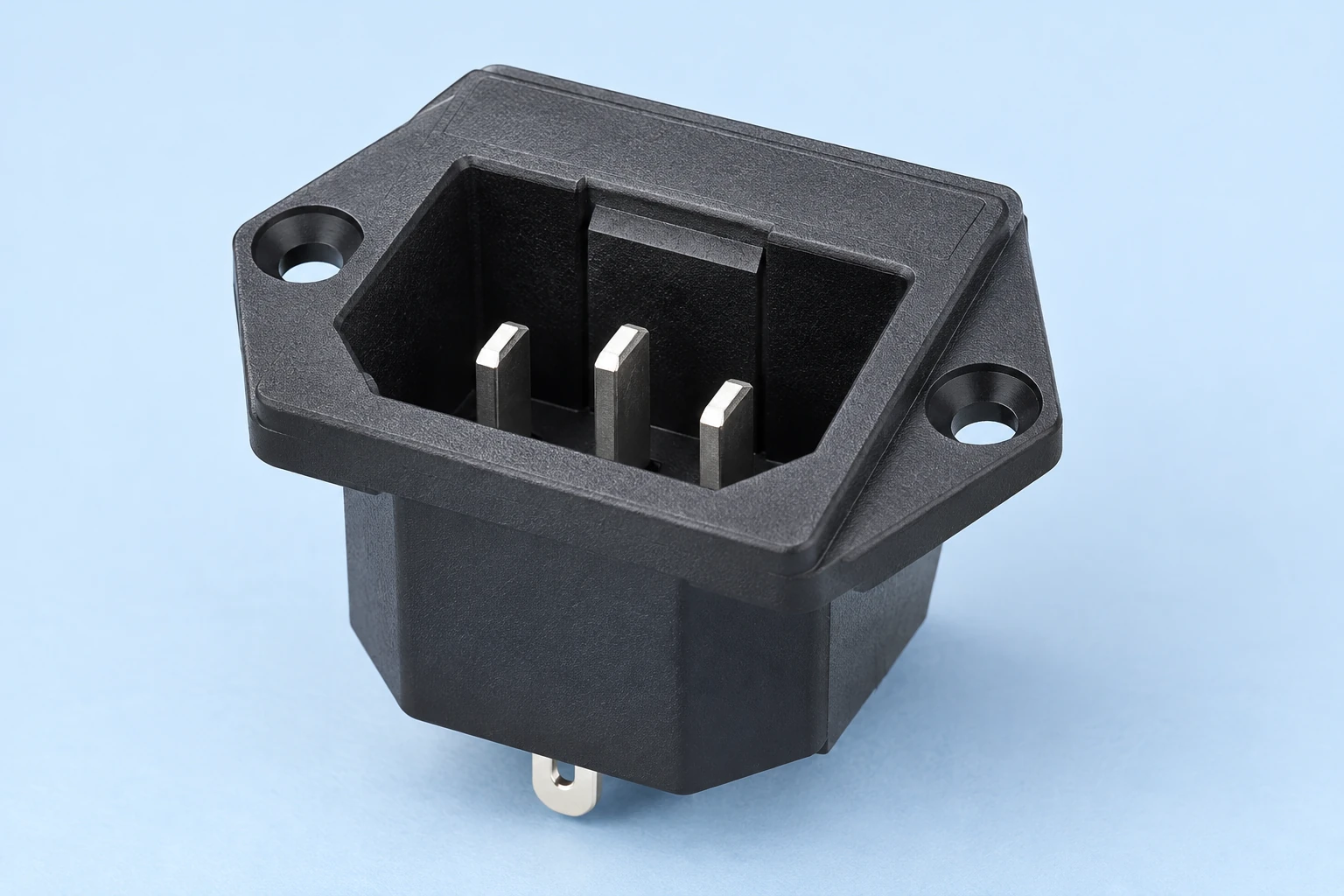
Understand the categories without treating them as product labels
Pollution degree classifications distinguish the nature and persistence of contamination, including whether contamination can become conductive. Their use is tied to the applicable insulation assessment. They should not be applied by copying a marketing phrase or by equating a clean-looking surface with a documented classification. A photograph captures one moment, while the design must address the intended operating conditions.
For example, contamination that is normally nonconductive may become relevant when moisture is present. This is why humidity, temperature changes and possible condensation deserve separate questions. A machine stored cold and then brought into a warm environment may present a different sequence from steady operation in a controlled room. The reviewer must determine which conditions are reasonably included in the application.
Do not turn this qualitative explanation into an unofficial numerical conversion. Pollution degree, material tracking characteristics, working voltage and insulation purpose are distinct inputs. The spacing review must use the correct combination under the relevant requirements. This article deliberately provides no universal millimeter table or inlet-to-pollution conversion chart.
Record the application assumptions before selecting the inlet
| Elemento de revisión | Pruebas a recopilar | Pregunta a resolver |
|---|---|---|
| Insulation region | Drawing identifying relevant internal and external paths | Which surfaces and air paths are being assessed? |
| Contamination | Operating and process exposure description | What can reach the insulation over intended use? |
| Moisture | Temperature sequence and condensation review | Can normally dry contamination become conductive? |
| Protection boundary | Enclosure, ventilation and assembly information | Which controls support the environmental assumption? |
| Production control | Cleaning, wiring and service instructions | Can the accepted configuration be reproduced? |
This decision table organizes evidence requests rather than defining acceptance values. Each answer should identify its source: equipment requirement, supplier document, controlled drawing or verification result. If a field is unknown, keep it unknown until the responsible person resolves it. Selecting the most favorable category merely to fit an existing part would reverse the proper design process.
Separate expected operation from manufacturing and service exposure. Flux residue, metal particles from panel work and cleaning chemicals can introduce conditions that the normal operating description misses. The solution may require a process control or a revised assembly arrangement in addition to component selection. Record such controls in instructions that production and service staff actually receive.
Keep pollution degree separate from IP and flame ratings
An ingress rating addresses defined enclosure tests and conditions. It does not automatically establish the contamination category at every insulating surface inside the equipment. Cable entries, ventilation paths, assembly tolerances and maintenance openings can affect the actual environment. Ask what boundary the stated enclosure protection covers and whether the inlet installation preserves it.
A plastic flammability classification answers a different question again. It cannot establish surface contamination conditions or justify reduced spacing. The UL 94 power inlet review explains the scope of material flame evidence. Keep the records adjacent for purchasing convenience, but preserve the separate acceptance questions so one favorable certificate is not used as a substitute for another.
Likewise, a high current rating does not identify the insulation environment. A buyer comparing two inlets should request the complete relevant evidence rather than ranking them by the largest printed amperage. Different versions may have different constructions, terminals or approval conditions even when their front flanges fit the same opening.
Review the component and the finished assembly together
Start with the exact order code and drawing revision. Confirm which insulating portions and conductive paths are covered by the component documentation. Then review the inlet as installed: nearby brackets, exposed conductors, terminal sleeves, retaining hardware and wiring routes can influence the finished assembly. Do not assume that acceptance of an isolated component closes every equipment-level insulation question.
El creepage and clearance guide explains the distinction between paths through air and along insulating surfaces. Use it as background for the dimensional review. The present topic comes earlier: defining the environmental input and the controls that support it. Keeping those tasks separate makes it easier to discover whether a disagreement concerns geometry or the assumed contamination conditions.
Review what happens during connection and service. An inlet may be clean when assembled but exposed when the cover is removed, the machine is washed or the cord is changed. The applicable assessment determines which states matter. Document those states explicitly rather than assuming that a closed cabinet description covers every activity throughout the equipment’s life.
Identify condensation and contamination routes
Follow the airflow around the inlet region and list plausible entry or generation points. Dust can arrive through ventilation or be created inside the machine. Residue can remain after assembly. Moisture can enter from the environment or form locally under a temperature sequence. These are hypotheses to investigate, not a claim that every machine suffers all of them.
Use inspection and environmental evidence appropriate to the equipment. Record when observations were made, how the machine was operated and what conditions were absent during the inspection. A clean bench prototype provides limited information about a production machine running near a dusty process. Conversely, an unrelated industrial example should not be treated as proof that your protected compartment has the same exposure.
Where the design relies on filtration, sealing or a controlled process, define how that control remains effective. Filters can require maintenance; covers must be refitted correctly; terminal insulation must match the released build. The responsible equipment review should determine how these dependencies affect the accepted environment. Avoid assigning a favorable category while leaving its supporting controls unspecified.
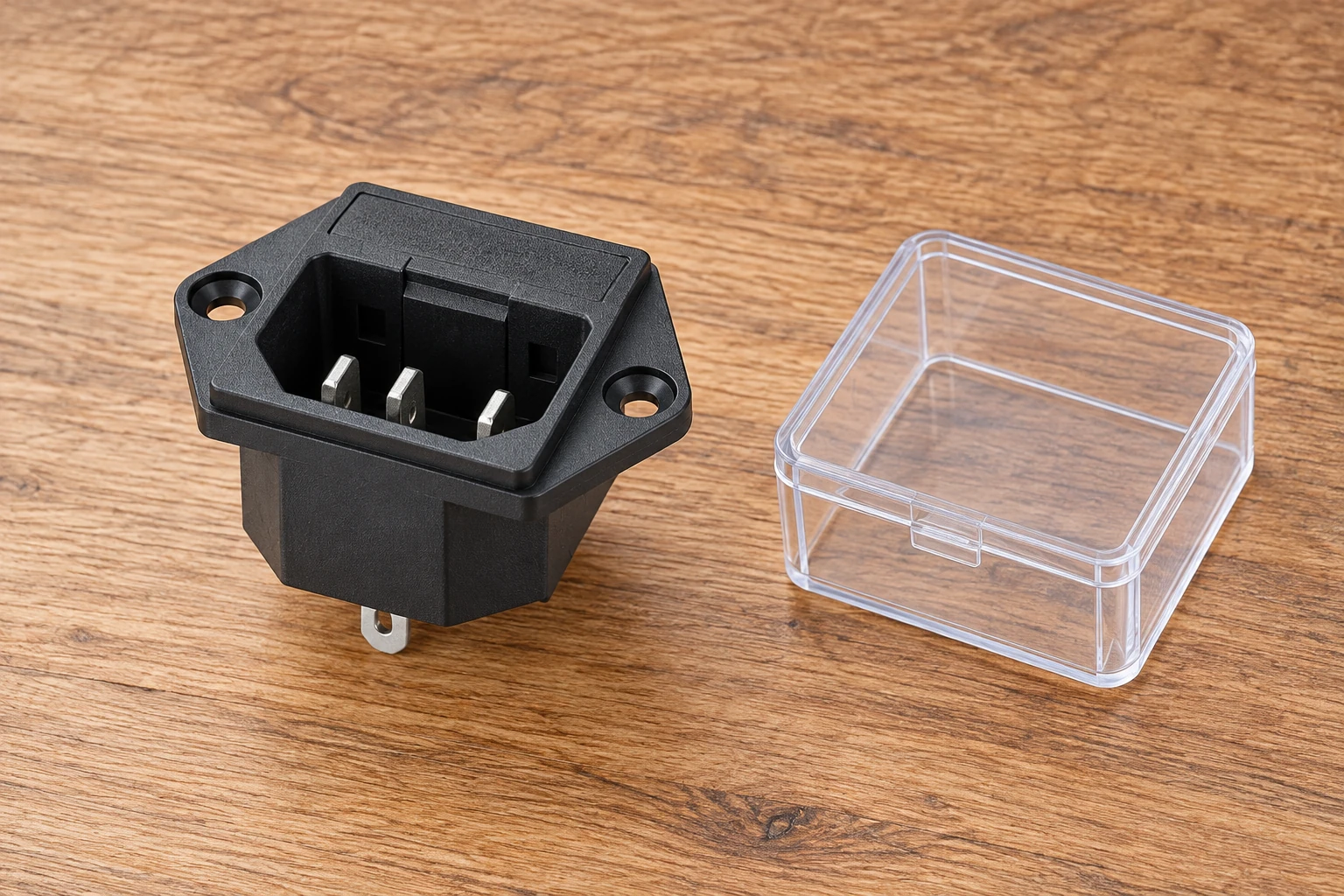
Make corrective actions specific and verifiable
If the original assumptions are unsupported, several design routes may be considered: changing the environment around the inlet, improving contamination control, selecting a differently documented component or revising the arrangement of conductive and insulating parts. The appropriate route depends on the equipment requirements. None should be treated as automatically sufficient without review and verification.
Do not apply an unqualified coating or sealant as an informal spacing repair. The material, application process, coverage, aging and interaction with the inlet would introduce new questions. A modification can also affect serviceability and thermal behavior. Submit the proposed change through the equipment’s normal design review rather than assuming that an invisible surface film creates an accepted insulation system.
After a correction, update the drawing and process documents, then verify the released configuration. The panel mounting guide can support mechanical planning, while the insulation evidence remains linked to the actual electrical environment. A corrected prototype is only useful when production can reproduce the features on which its acceptance depends.
Ask the supplier for scope rather than a one-word answer
A useful inquiry identifies the complete inlet variant, intended equipment, working conditions, environmental assumptions and required documentation. Ask which component evaluations and conditions apply to that version. Include accessories and terminal treatments that are part of the proposed configuration. A generic family certificate or a reply saying “suitable for industry” may leave the critical scope unresolved.
State which questions belong to the component supplier and which will be assessed in the finished machine. This avoids asking the supplier to certify an installation it has never seen. If the supplier cannot provide a requested item, record the gap and have the responsible evaluator determine the next step. Do not replace missing evidence with a statement inferred from a photograph or a similar-looking product.
Keep accepted information under change control. Different resin, terminal construction, enclosure treatment or manufacturing residue could reopen part of the review. The inlet temperature guide also helps keep thermal assumptions visible when mechanical or environmental changes are proposed. A complete procurement record preserves the limits of each conclusion as carefully as the conclusion itself.
Insulation coordination background video
Elektor TV: PCB Clearance and Creepage Distances, Part 1: Which Standard Applies?

Watch PCB Clearance and Creepage Distances, Part 1: Which Standard Applies?.
Elektor TV explains how to identify the standard behind a clearance and creepage review. The discussion is educational background for insulation coordination. It does not assign a pollution degree to the IPZ family, provide an approved spacing for a particular inlet or replace the finished-equipment assessment.
Preguntas frecuentes
Is pollution degree the same as an IP rating?
No. Pollution degree concerns contamination conditions relevant to insulation assessment. An IP rating addresses defined enclosure ingress conditions. Review the actual boundary and installation rather than converting one into the other.
Can an indoor installation automatically be treated as clean?
No. Dust, assembly residue, ventilation and condensation can affect the local insulation environment. Identify the conditions around the particular inlet and the controls supporting the assumption.
Does this article assign a pollution degree to IPZ inlets?
No. The exact version and relevant component documentation must be reviewed with the finished-equipment requirements. A family photograph does not establish an insulation classification.
Can coating an inlet automatically justify smaller spacings?
No. A coating or sealant introduces material, process, coverage and aging questions. Any proposed insulation modification needs an applicable design assessment and verification rather than an informal assumption.