
Foot switch mounting stability means that the pedal remains in its intended position and orientation during normal operation, release and cable movement. A pedal can have a comfortable operating force yet still slide, rock or rotate on the actual floor. Review the base, support surface, cable forces, footwear, operator position and permitted mounting method together. Do not assume that a heavy housing or a textured tread proves adequate stability in every work area.
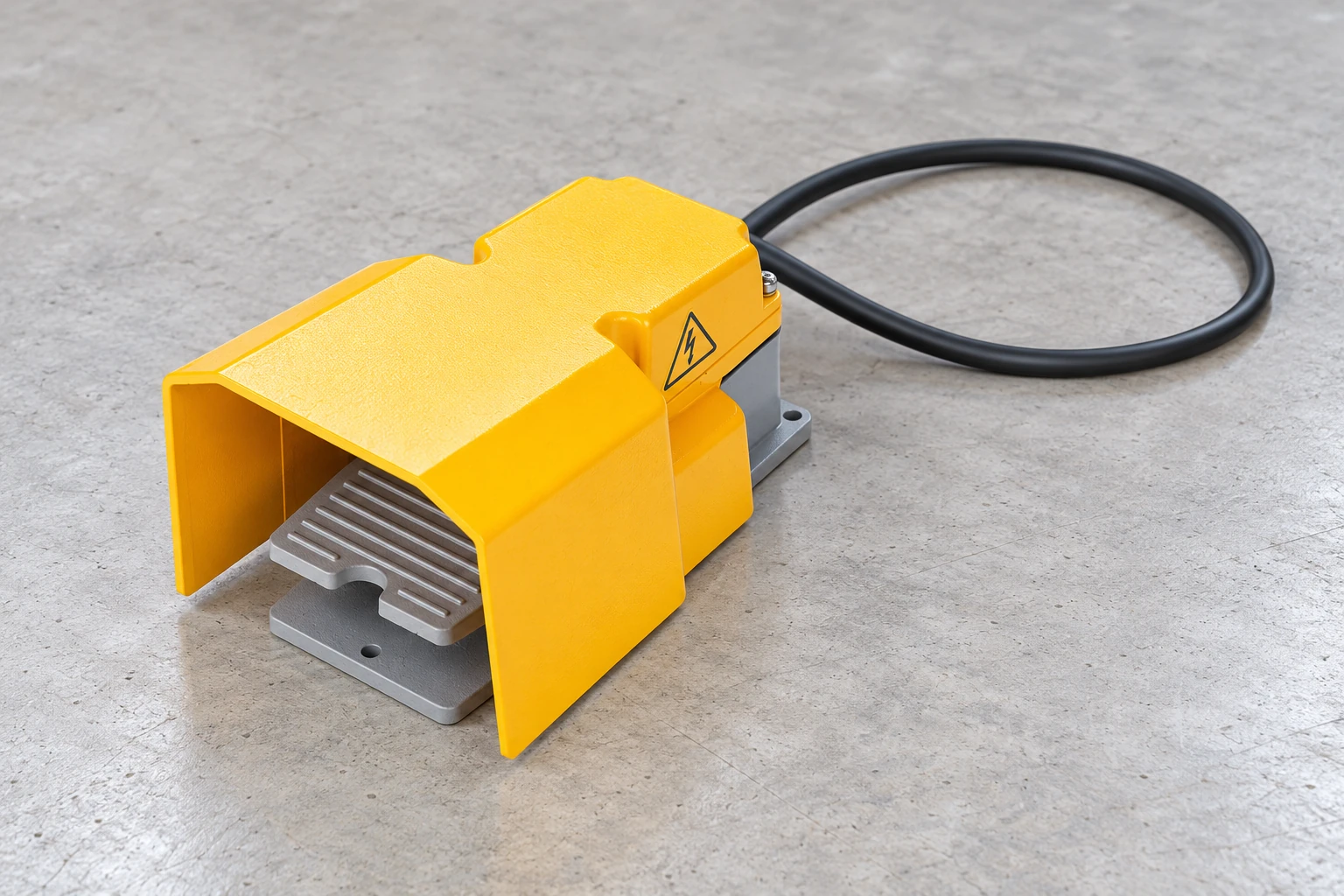
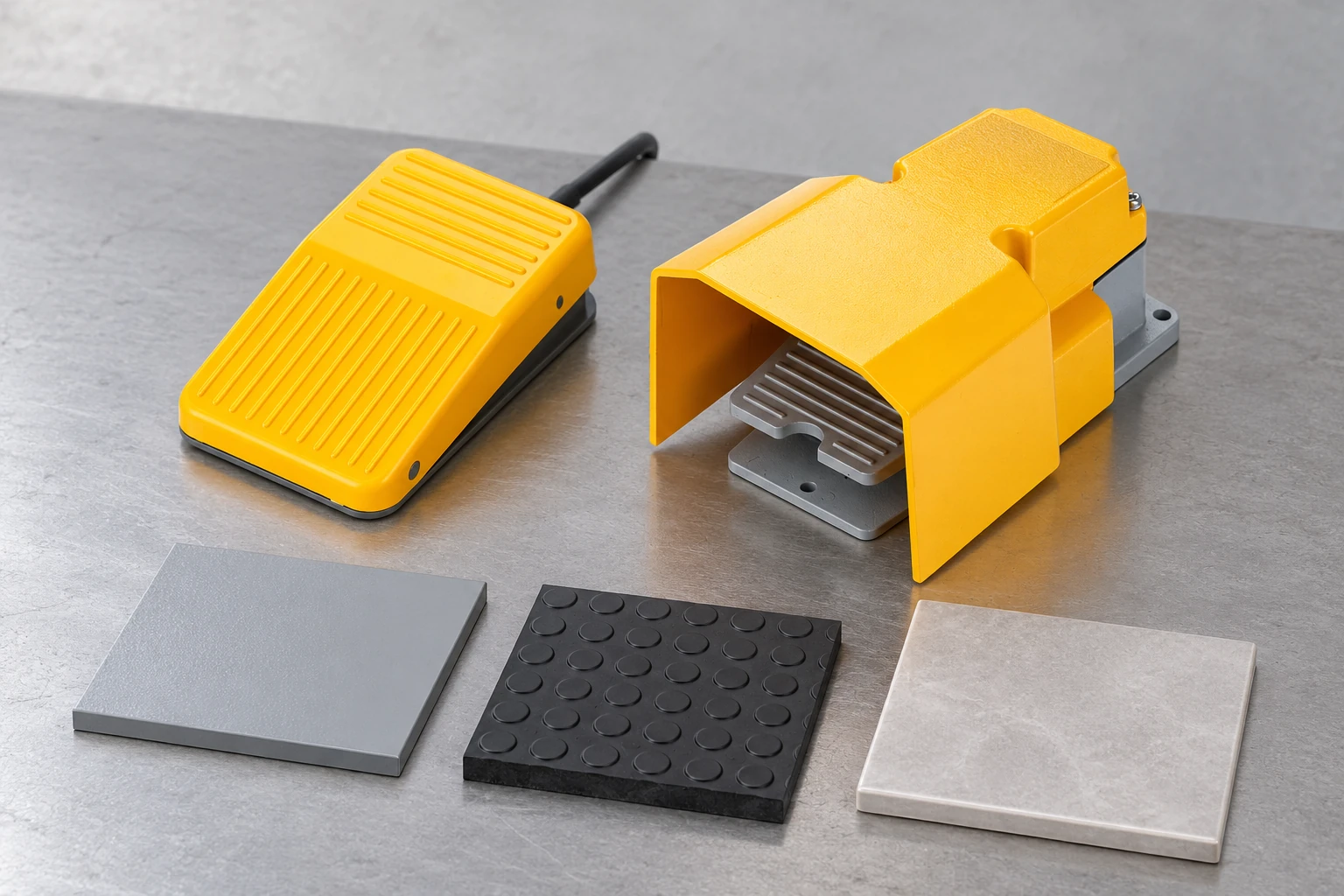
Das LEMA LF foot-switch family is the product reference used here. The figures show the visible guarded pedal and separate installation specimens; they do not claim a slip-resistance rating, add unapproved mounting holes or qualify an operator-presence safety function.
Define what must remain stable
Record the intended pedal location and the range of acceptable movement. Consider translation across the floor, rotation, rocking and lifting. These are different behaviors and may have different causes. A pedal that stays approximately in the same area can still rotate enough to change the operator’s approach.
Define the operation sequence: single actuation, repeated commands, extended hold or deliberate release. Include the position of the operator and the required machine response. Stability matters through the complete sequence, not only when the pedal is first placed on a clean bench.
Das Ratgeber für Pedal- und Ergonomiekräfte addresses the force and human-interface questions. The present review concerns how the complete pedal base remains supported while that force is applied.
Inspect the base and support surface
Check whether the pedal sits on its intended support points without rocking. Look for damage, missing feet, loose hardware, uneven contact or an obstruction beneath the base. Do not correct rocking by adding an improvised packing piece that can move or fall out during service.
Record the floor or platform material and condition. Smooth painted metal, textured flooring, tile and a workstation mat can behave differently. Moisture, dust, oil, cleaning residue or a moving mat may change the interface. A result from a dry laboratory surface does not establish performance on a contaminated production floor.
Do not invent a friction coefficient from the material name. Establish the conditions that the equipment must tolerate and use the agreed acceptance method. Where cleaning or replacement of a floor surface is part of the control, include it in the operating and maintenance instructions.
Review the permitted mounting method
Use the manufacturer’s approved mounting provisions and installation instructions. A freestanding pedal, a bolted base and a pedal held in a workstation fixture are different arrangements. Confirm which is permitted for the exact model and environment.
Do not drill an enclosure or modify its base without approval. Such work can affect the enclosure, internal clearances, cable entry or environmental protection. A generic mounting plate in an illustration is a planning object, not permission to bolt through an unknown housing.
If the design needs a fixture, identify how it locates and retains the pedal without obstructing travel or access. The fixture must not press on the tread, trap the cable or introduce a new trip edge. Review its installation, cleaning and replacement as part of the complete workstation.
Include the direction of foot force
An operator rarely applies a perfectly vertical force under every condition. Shoe shape, stance and approach can introduce horizontal or twisting components. Evaluate representative footwear and operator positions while following a safe test procedure.
Das NIOSH ergonomics resources support considering the worker, task and workstation together. They do not provide an LF pedal friction rating or a universal mounting arrangement. Use the actual work sequence to identify the relevant conditions.
Do not solve sliding simply by increasing pedal operating force or asking the operator to stand differently without assessing the task. A stable arrangement also needs comfortable access, predictable release and an appropriate location relative to machine hazards.
Remove unintended cable forces
A cable pulled toward the machine can move or rotate a pedal before anyone touches it. Observe the cable in the actual workstation through its expected movement. Include strain from a suspended cable, a tight routing bend, a moving chair or a connector positioned too far away.
Provide the permitted slack and support without creating a loose loop in a walking route. Cable management has to avoid both tension and trip hazards. The cable and strain-relief guide addresses the broader routing boundary; here the key question is whether cable movement disturbs the pedal base.
Do not use the cable as a restraint to keep the pedal in place. The entry and conductor connections are not substitutes for an approved mounting arrangement. Investigate the routing and support rather than accepting a continuously loaded cable because the pedal appears stationary.
Evaluate release and withdrawal as well as actuation
The pedal may move when the operator lifts a foot, changes stance or withdraws a shoe from a guarded opening. Check that the intended access and release are unobstructed. A guard should not be treated as a handle or an anchor for the operator’s foot.
Das guarded foot-switch guide explains why a guard is a separate selection and placement question. It does not make a pedal a complete safeguarding system. Do not infer protective performance from the visible presence of a hood.
Observe the released state at both the mechanical pedal and the control input. A rocking base can change the effective foot movement, while a snagged shoe or cable can delay withdrawal. Record those effects separately from an internal contact fault.
| Observed movement | First checks | Acceptance record |
|---|---|---|
| Sliding during press | Floor condition force direction and base contact | Movement under representative footwear and sequence |
| Rocking | Support points uneven surface or trapped debris | Stable seating and permitted support arrangement |
| Rotation | Off-axis foot action or cable torque | Orientation throughout actuation and release |
| Movement before use | Cable tension or workstation interference | Cable route and support through expected movement |
| Snagging on release | Access guard opening or nearby objects | Clear withdrawal and intended released state |
Use a representative stability check
Inspect the pedal and workstation in a safe condition before functional trials. Confirm model identity, support condition, cable routing and any approved fixture. Define the allowed movement and the observations to record before starting.
Use representative operators or a justified test fixture, footwear, floor conditions and command sequences. Record translation, rotation and rocking separately. Include repeated use and release rather than observing only a single centered press. Do not create hazardous contamination or unexpected machine motion merely to make the test appear realistic.
Das OSHA machine-guarding resources explain the wider need to control access to hazardous motion. Test pedal stability with the equipment response safely controlled under the commissioning procedure. An ordinary pedal’s position is not proof that the machine’s safeguarding is adequate.
Inspect changes during service
A workstation can change after approval. A new floor coating, replacement mat, relocated machine, different cable support or revised cleaning process can alter the pedal interface. Include those changes in the review rather than treating the original test as permanent evidence for every later arrangement.
Inspect the base, cable entry, mounting hardware and support surface at the maintenance interval defined for the equipment. Record movement complaints with the actual conditions. A report that the pedal “moves sometimes” becomes more useful when it identifies footwear, floor state, cable position and the part of the command sequence.
Follow the hazardous-energy control procedure before adjusting or repairing the installation. Do not restrain a loose pedal by wedging it against a machine hazard or adding an undocumented fastening method during operation.
Send installation evidence with the inquiry
Provide the exact pedal model, workstation photographs, floor material, intended mounting, footwear assumptions, command sequence and cable route. Identify the observed movement and the conditions in which it occurs. Ask which installation methods and accessories are approved for the selected product.
If a different pedal or fixture is proposed, compare its access, travel, cable entry and support arrangement as well as electrical function. A replacement that appears heavier may introduce another clearance or ergonomics problem.
Benutzen Sie LEMA inquiry page to discuss the actual workstation. The acceptance record should make it possible to reproduce a stable, accessible installation without relying on an operator to reposition the pedal between every cycle.
Further learning: observing a mechanical interface
Khan Academy India – English: Stress & strain | Class 11 (India) | Physics | Khan Academy. Khan Academy explains stress and strain. Use it only as mechanical background for deformation of a supporting assembly; it is not a pedal stability test, friction-rating demonstration or safeguarding approval.
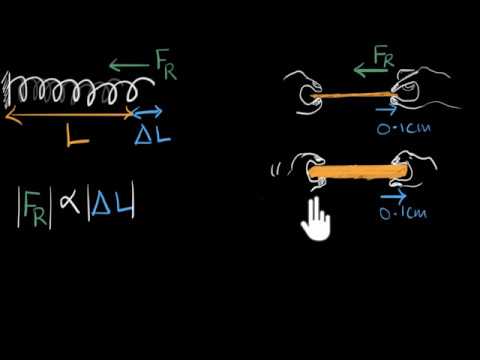
Watch Stress & strain | Class 11 (India) | Physics | Khan Academy.
Häufig gestellte Fragen
Does a heavy pedal guarantee that it will stay in place?
No. Floor condition, force direction, base support and cable loads still matter. Evaluate the actual workstation and permitted installation method rather than using housing weight as a substitute for stability evidence.
Can I drill the pedal base to bolt it down?
Only use mounting provisions approved for the exact model. Unapproved drilling can affect enclosure integrity, internal clearances and other requirements. Ask for the supported installation or fixture arrangement before changing the housing.
Should I pull the cable tight to restrain the pedal?
No. The cable and entry should not be used as a general anchor. Arrange the permitted support and slack without creating a trip hazard, then establish pedal retention through the approved mounting method.
Does a guard make the pedal a complete safety device?
A visible hood alone does not establish a validated protective function. Guard access, pedal stability and the machine safeguarding architecture each need their appropriate assessment. This guide addresses the base and workstation interface.