
Push button cap color batch consistency requires an agreed physical reference, comparison conditions and acceptance method. Ordering another batch as “red” or approving a phone photograph leaves too much ambiguity for repeat deliveries. For the PBS-Serie Drucktastenschalter, identify the exact button shape, color option and illuminated or non-illuminated configuration before comparing appearance. Keep cosmetic color matching separate from the meaning of a control color and from indicator visibility. This guide does not establish a PBS color tolerance, a resin formulation or a guarantee that different deliveries will match a particular color standard.
Start with the finished button configuration
A color discussion should identify the actual visible part. A rectangular cap, a round stepped cap and a translucent illuminated insert may present different surfaces even when the order uses the same general color name. Record the complete product designation and the appearance being evaluated. Include the surround or bezel when it affects how the cap will be viewed in the final panel.
The PBS family lists color options and some configurations with optional illumination. Those options are a starting point for an inquiry, not evidence of a particular numerical match. Ask which exact variant is available and how color is controlled for that supply. Do not assume that selecting an LED option establishes the same unlit appearance, material thickness or optical behavior as a non-illuminated button.
Choose a reference that both parties can use
Agree a retained physical master or another documented reference before production approval. Identify it by date and revision, and record who holds the corresponding reference. A familiar color code can help communication, but the parties still need to agree how it relates to the finished curved, textured or translucent component. A printed card and a molded button are different objects with different appearance characteristics.
Keep the master protected and establish how it will be replaced if damaged or changed. A worn sample taken from a machine may reflect service exposure rather than the original approved appearance. If it is used as a comparison, say so explicitly. Otherwise a supplier may be asked to reproduce aging, dirt or surface wear that was never part of the original purchasing requirement.
Control lighting, background and viewing conditions
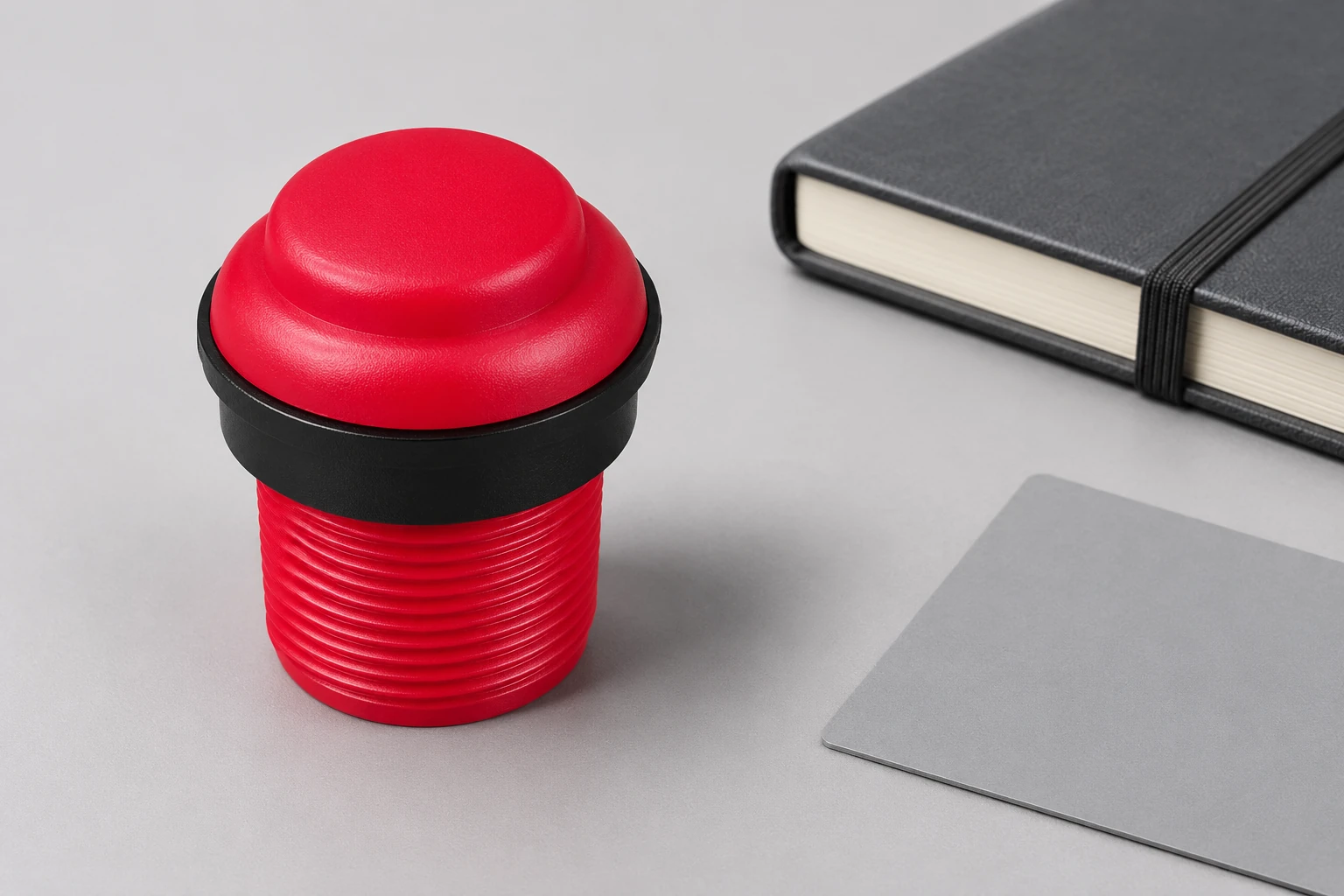
Compare the master and delivery sample together under an agreed light source and viewing arrangement. Keep their orientation consistent and avoid evaluating one in shadow while the other faces a bright reflection. A neutral surrounding surface can make the comparison easier to repeat. Record the conditions well enough that a later reviewer can understand what the original acceptance decision covered.
NIST’s overview of color and appearance explains that illumination and viewing conditions affect appearance and that gloss and other surface properties matter alongside color. This supports defining the comparison conditions; it supplies no PBS-specific tolerance. A buyer should therefore agree the inspection arrangement rather than treating an informal impression from an office desk as a transferable acceptance method.
Separate unlit cap color from illuminated appearance
For an illuminated button, define whether the check concerns the unpowered cap, the powered indicator or both. An unlit surface comparison does not establish the appearance of the working indicator. Equally, comparing two energized buttons under different drive conditions or ambient lighting can create an apparent difference that does not answer the incoming cosmetic question.
Have qualified personnel establish any powered evaluation using the exact supplied configuration and applicable instructions. Record the relevant operating conditions in that separate check. Do not improvise an electrical connection solely to compare color. If the order concerns unlit caps, keep those records separate from indicator-performance evidence so that a cosmetic acceptance cannot later be mistaken for a verified visibility claim.
| Charakteristisch | Agree before comparison | Keep separate |
|---|---|---|
| Product configuration | Exact cap shape, option and supply identity | Other PBS variants |
| Reference | Identified physical master or documented standard | Uncontrolled phone photograph |
| Visual conditions | Light source, orientation and surrounding surface | Unrecorded office lighting |
| Instrumental method | Geometry, area, settings and difference formula | Unexplained delta E value |
| Illumination option | Unlit check and any powered evaluation scope | Assumed daylight visibility |
| Acceptance | Tolerance or visual method and dispute process | Control color meaning and material qualification |
These are qualitative purchasing and inspection questions, not numerical tolerances. The agreed order documentation should state which characteristics are required and how a disputed sample will be assessed. A color name on its own cannot answer every question in the table, while a complex instrument report is unnecessary if a simpler agreed method adequately serves the application.
Decide whether instrumental measurement is appropriate
Instrumental color measurement can support a repeatable comparison when the measurement setup suits the actual part. Ask the laboratory or supplier about the measurement geometry, aperture, specimen support and method for the curved visible surface. A small cap may not provide the same usable measurement area as a flat plaque. Establish what portion is measured and whether the surrounding bezel can influence the result.
Specify the color-difference formula, illuminant, observer settings and handling of gloss where these form part of the agreement. Do not compare two unexplained “delta E” values as though they necessarily use the same method. NIST’s discussion of CIE measurement fundamentals provides the scientific background for defining object-color measurements. It does not choose a pass-or-fail number for an industrial button purchase.
Agree tolerances rather than borrowing a universal number
An acceptable difference depends on the application, inspection method and commercial agreement. A visible control panel assembled from adjacent parts may raise different appearance concerns from a spare button stored for maintenance. Establish what the buyer needs to judge and confirm that the supplier can evaluate the same requirement. Avoid copying a tolerance from an unrelated packaging example or a measurement-instrument advertisement.
If numerical acceptance is needed, define it before reviewing the production results. Include how measurement uncertainty and borderline results will be handled. If visual comparison is the agreed method, define the reference and conditions with similar care. Neither approach should conceal unresolved differences in expectations. An order approved only as a general stock color should not silently become a demand for a tightly controlled custom match after delivery.
Keep surface appearance distinct from material conclusions
A cap that looks different does not by itself reveal why. Surface texture, gloss, contamination, handling history and the comparison conditions deserve review before assigning a cause. Ask for the production and material records relevant to the actual lot if a supplier investigation is warranted. Avoid asserting pigment dosing errors, degraded polymer or recycled content from a photograph alone.
Likewise, a visually matching cap does not establish identical resin chemistry or long-term performance. The appearance record answers the question defined by the comparison method. If the application also needs chemical, environmental or other material evidence, request it separately. Keeping those requests explicit prevents an appearance approval from expanding into unsupported claims about composition, durability or suitability for an equipment environment.
Use photographs to document, not to define the only standard
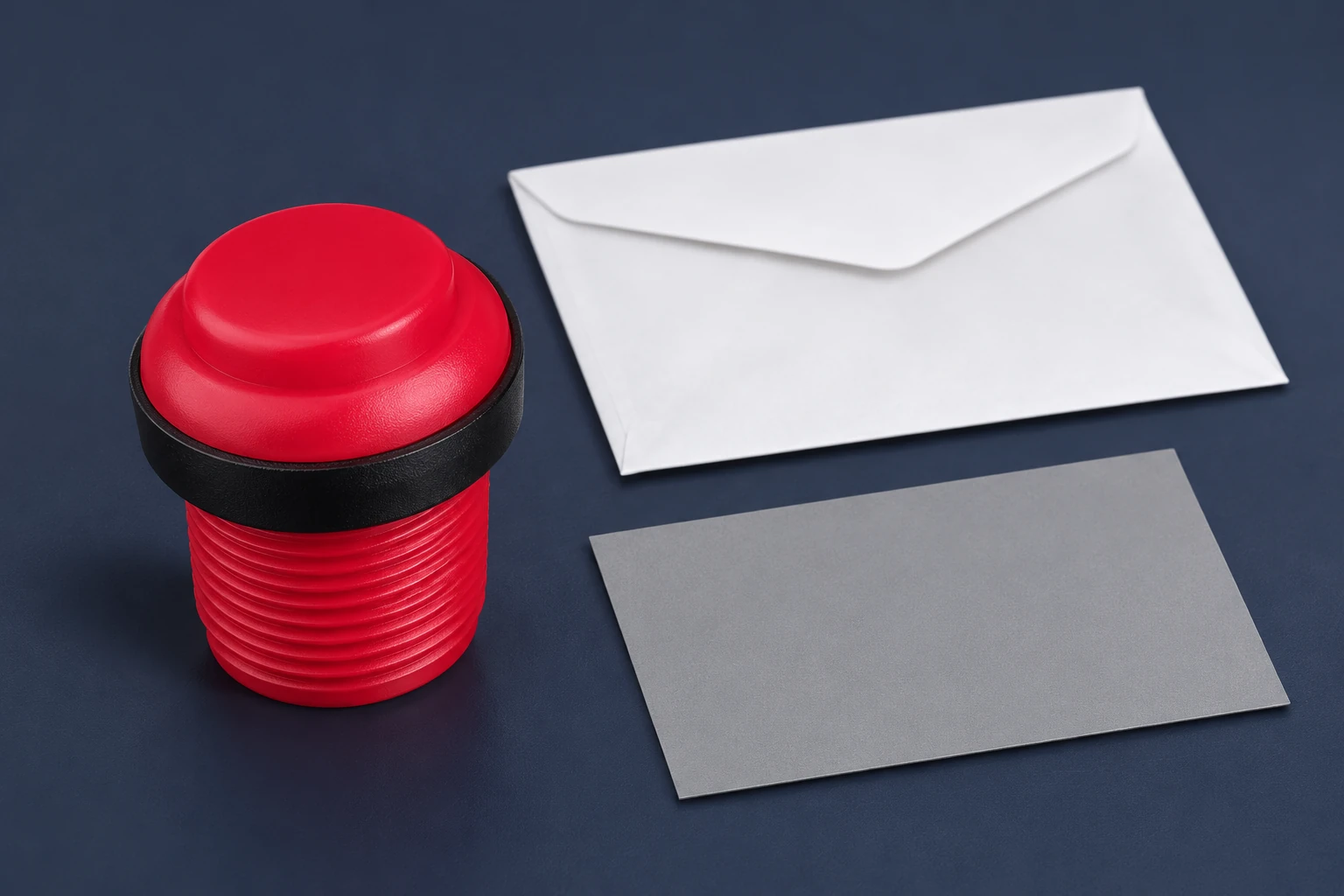
Photograph the master and sample together with their identities recorded. Keep the lighting and camera setup consistent where practical, and preserve the original files. Photographs can help show a streak, a localized mark or which samples were reviewed. They also help explain a dispute to someone who has not seen the physical parts.
However, camera processing, exposure, white balance and the viewer’s display affect the reproduction. A phone image viewed on another phone is not automatically a reliable color match. If a photograph suggests a difference, request a controlled comparison or an agreed measurement before assigning a lot disposition. Do not adjust the image until the parts look alike and then present that image as evidence that they conform.
Plan incoming checks and replacement orders
Keep delivery identity, sample selection, reference revision and results together. If a shipment contains several lots, preserve that distinction. An approved sample from one bag does not automatically characterize every carton. Let the responsible quality team define the sampling and escalation procedure appropriate to the purchase instead of inventing an inspection frequency from the color name.
For repeat orders, reference the previous approval and ask whether the supplied configuration or comparison method has changed. If a replacement will sit beside older buttons, evaluate that practical appearance question explicitly. A new part may match its retained master while looking different from a worn installed part. Decide whether the order concerns matching the original specification or matching an existing panel, then communicate that decision to the supplier.
Keep control meaning and accessibility in their own reviews
Cosmetic consistency does not determine which color should represent a command. Use the existing push button colour-standards guide for the separate control-function discussion. The color-vision deficiency guide addresses communicating functions beyond color alone. A closely matched cap batch cannot replace clear identification or an appropriate control-system review.
Connect the appearance request to the broader Handbuch zur Auswahl von Industriebeschlagtastern. Confirm actuation, installation and electrical requirements alongside the exact PBS configuration. Procurement can then approve appearance with a clear scope while the engineering team separately verifies the product and application requirements. This makes a color discussion useful without allowing it to dominate more consequential selection decisions.
Send a supplier inquiry that can be answered
Include the model, shape, requested stock color or custom reference, illumination option, quantity and repeat-order context. Attach the reference identity and proposed comparison method. Ask what supporting samples or measurement records are available and whether special requirements need separate agreement. Keep the final approval record with the order so later deliveries can be evaluated against the same expectation.
Further learning: color perception and measurement
The following Royal Institution lecture explains why human color perception and physical measurement need careful interpretation. It supplies background for agreeing comparison conditions, not a PBS inspection procedure or an acceptance tolerance. Use it to understand the question, then rely on the documented reference and method agreed for the actual purchase.
The Royal Institution: The Physics and Psychology of Colour – with Andrew Hanson

Watch The Physics and Psychology of Colour – with Andrew Hanson.
Häufig gestellte Fragen
Garantiert die Bestellung von Rot eine numerische Farbabstimmung?
Nein. Stimmen Sie der Referenz- und Akzeptanzmethode für die genaue Produktkonfiguration zu.
Kann ein Handyfoto der einzige Farbstandard sein?
Es ist nützliche Dokumentation, aber Kamera- und Anzeigebedingungen können das wiedergegebene Erscheinungsbild verändern.
Kann eine Delta-E-Grenze auf jede Kappe angewendet werden?
Hier wird keine universelle Grenze festgelegt. Vereinbaren Sie die Formel, die Messbedingungen und die Toleranz für den Kauf.
Bestimmt die passende Kappenfarbe die Sichtbarkeit des Indikators?
No. Powered indicator appearance and visibility require their own defined evaluation.