
Micro switch transport packaging should protect the housing, actuator, terminals and part identity throughout the intended shipping route. A strong outer carton alone cannot prevent a lever from being pressed by neighboring parts or a terminal from taking load inside a loose bag. Define how each component is supported, separated and identified, then evaluate the complete package under an appropriate distribution test plan. Do not treat the switch’s own shock rating as proof that any shipping arrangement is acceptable.
Il LEMA KW7 family supplies the real product reference used here. The illustrated foam and cartons are planning examples, not a qualified package specification, a claim about an existing shipping process or evidence of a passed transit test.
Map the product features that need protection
Identify the parts most vulnerable to unintended contact: the actuator or lever, roller support, exposed terminals, mounting features and markings. Record the permitted handling conditions from the component documentation. A packaging review should distinguish a robust body surface from a functional feature that should not carry shipping load.
Include the exact variant. A bare plunger, long lever and roller lever can require different clearances even when the housing dimensions are similar. A tray designed around one actuator should not automatically be approved for the whole product family.
Il actuator-selection guide provides background for those differences. Use the actual approved drawing and sample when defining compartment dimensions and the contact surfaces of a support.
Support the housing without holding the actuator operated
Locate the component on surfaces approved for handling and avoid pressing a lever, plunger or terminal into the packaging material. Provide clearance above the actuator and around its intended movement envelope. A package that looks tidy can still impose a continuous mechanical load.
Check the assembled package, not only an empty tray. A lid, stacked tray, overfilled bag or compressed cushioning layer can reduce the clearance available after packing. Record the complete stack and the intended quantity per compartment.
Do not infer an acceptable stored actuator position without manufacturer guidance. The packaging should preserve the component’s condition rather than deliberately using its moving mechanism as a locating or clamping feature.
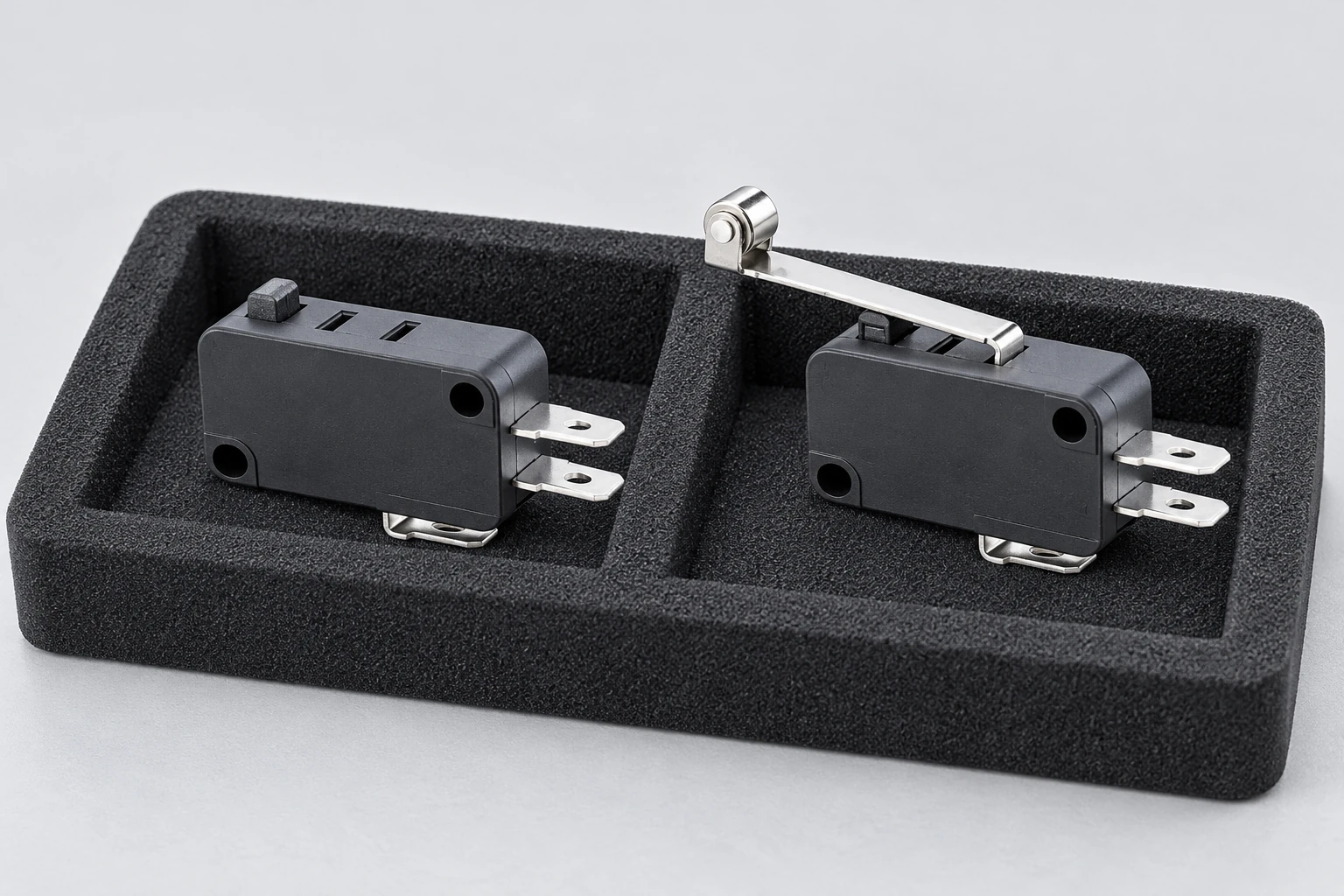
Separate parts and protect the terminals
Prevent neighboring components from striking each other or interlocking through their levers and tabs. Separate compartments, approved dividers or other suitable arrangements can help, but their geometry and materials need evaluation for the actual product.
Consider the terminal region in three dimensions. A flat tray may support the housing while leaving a tab exposed to the next part or carton wall. Inspect the filled package from the directions in which it can be compressed or handled. Do not rely on the packer’s memory to keep every tab facing a safe direction.
Loose fill or a bag is not automatically unsuitable, but its ability to maintain separation must be established. Record the accepted packing quantity and orientation so a later increase in carton density does not silently change the protective arrangement.
Select packaging materials for the actual exposure
Review contact materials for cleanliness, compatibility, particle shedding and the required environmental controls. Do not call a material antistatic, moisture-proof or chemically compatible merely from its color or appearance. Obtain the relevant specification where those properties are needed.
A cushioning material can support the body while creating debris or residues at another interface. Include those risks in the package review. The complete switch may have requirements different from an unrelated electronic component that used the same foam successfully.
Record the storage and transport environment that the package is intended to address. Temperature, humidity and time can affect the packaging as well as the product. Avoid assigning a universal shelf life or route capability without evidence.
Separate component qualification from package qualification
A switch’s mechanical shock or vibration specification applies under stated component test conditions. It does not directly describe the loads transmitted through a particular carton, tray or pallet. Likewise, a robust package does not establish that the component is suitable for the equipment’s operating environment.
Il component vibration and shock review addresses the product-side question. Keep the package test configuration and its acceptance criteria in a separate, linked record.
Il ASTM D4169 standard description concerns performance testing of shipping containers and systems. Use the applicable current procedure and a competent test plan for the actual distribution requirement; the catalogue page itself is not evidence that an illustrated package has passed.
Define the intended distribution route
Describe the route and handling stages: supplier packing, consolidation, international movement where relevant, local delivery, warehouse receipt and internal transfer. Identify whether the package is shipped individually, in a master carton or as part of a palletized load.
Document the intended quantities, masses, closure method and stacking arrangement. A successful evaluation of one small carton does not automatically qualify a larger or differently filled configuration. Include the actual protective inserts and product orientation.
Il ISTA test-procedure information explains the role of distribution-oriented package testing. Select an appropriate procedure through the responsible packaging or test specialist rather than choosing a dramatic drop demonstration for marketing purposes.
| Package boundary | Domanda | Evidence to preserve |
|---|---|---|
| Individual support | Does the housing carry load without pressing actuator | Filled-tray clearance and orientation |
| Part separation | Can terminals or levers strike neighboring parts | Accepted quantity and compartment geometry |
| Outer container | Does the complete system suit intended handling | Container closure stacking and route configuration |
| Identification | Can variant and lot remain linked after unpacking | Labels and controlled repacking process |
| Transit evaluation | Are product and package conditions acceptable afterward | Before after and test-configuration records |
Keep identification attached to the correct material
Protect the relationship between the part number, variant, quantity and lot information. If components are divided into smaller containers after receipt, define how the identity is transferred without mixing material. A physically undamaged switch can still be unusable when its specification cannot be established.
Avoid relying on a single outer label if inner trays can be separated in normal handling. Define which packaging levels need identification under the supply agreement and internal process. This article does not invent a universal label format or traceability code.
Il incoming inspection guide addresses the receiving decision. Packaging identification should make that decision possible; it should not require the inspector to guess the variant from the shape alone.
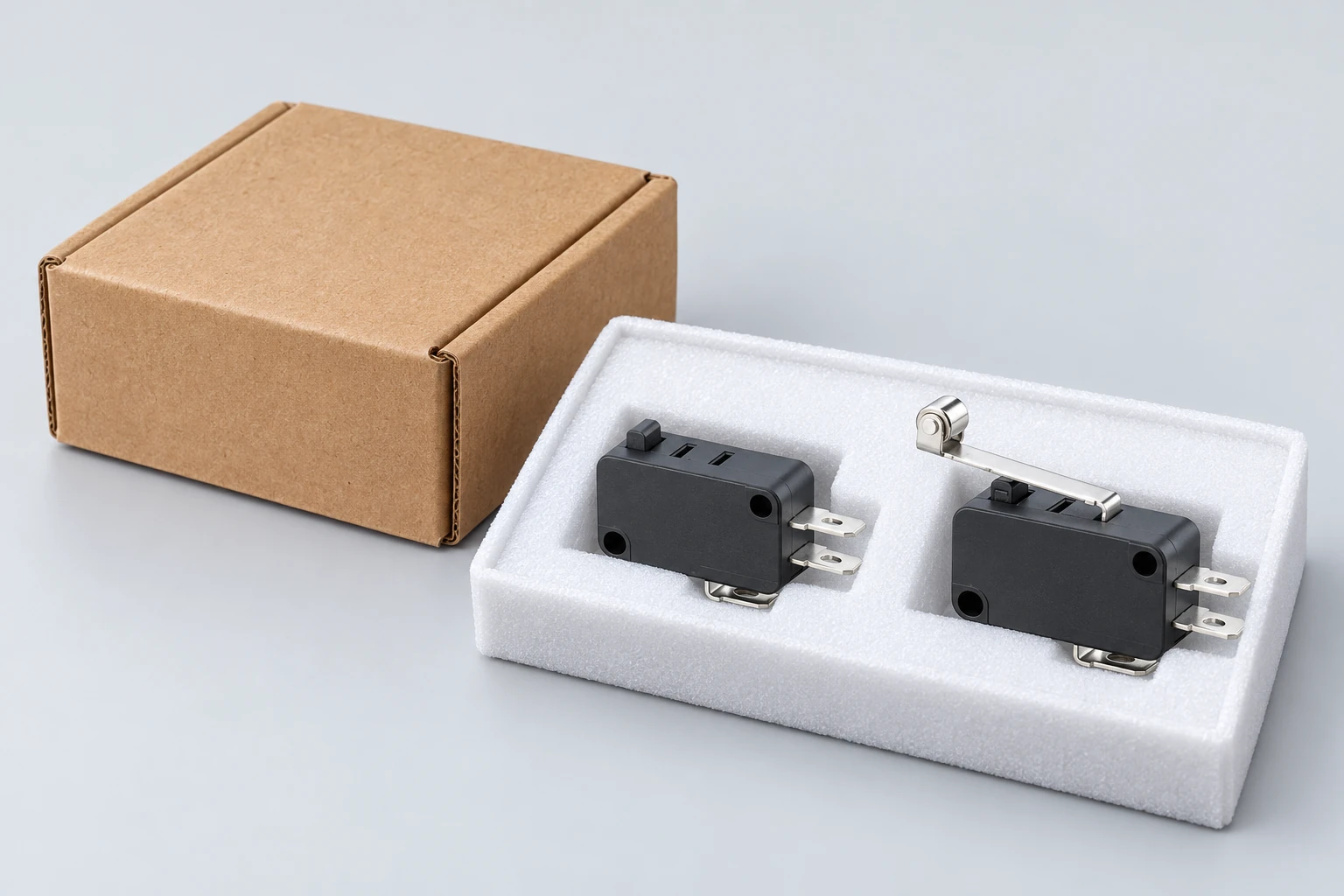
Ispezionare dopo una valutazione rappresentativa del transito
Stabilire la condizione prima del test e i criteri di accettazione. Dopo l'esposizione concordata, ispezionare l'imballaggio esterno, i supporti interni e le caratteristiche del prodotto. Registrare il movimento all'interno dell'imballaggio, l'ammortizzazione compressa, i compartimenti danneggiati e qualsiasi contatto tra parti vulnerabili.
Valutare le caratteristiche del prodotto che potrebbero essere state influenzate, utilizzando i metodi approvati. Un cartone che sembra integro non è prova sufficiente di un attuatore o terminale non danneggiato. Al contrario, un cartone graffiato non è automaticamente prova che il prodotto abbia fallito; conservare le osservazioni effettive.
Mantenere tracciabile la configurazione testata. Un cambiamento nel materiale del vassoio, nel conteggio dei componenti, nelle dimensioni del cartone o nella chiusura può richiedere una revisione se le prove precedenti rimangono rappresentative.
Indagare su una consegna danneggiata senza cancellare le prove
Fotografare il pacco prima di disimballarlo quando è sicuro e pratico. Conservare i supporti interni rilevanti e registrare la posizione dei componenti interessati. Identificare se il danno è concentrato in un compartimento o appare su tutto il carico.
Non raddrizzare immediatamente i terminali piegati o ripristinare una leva dislocata. Ciò può alterare le prove e non stabilisce una performance di servizio accettabile. Segregare il materiale sospetto e seguire il processo concordato con il fornitore e il ricevente.
Il guida alla conservazione e al rilascio aiuta a mantenere il materiale indagato separato dallo stock utilizzabile. Una preoccupazione di transito dovrebbe rimanere collegata al suo imballaggio e al record del lotto fino a quando la disposizione non è risolta.
Rendere riproducibile l'istruzione di imballaggio
Specificare la variante esatta del componente, la quantità di imballaggio, l'orientamento, le superfici di supporto, il clearance dell'attuatore, il materiale di inserimento, il cartone e la chiusura. Includere fotografie o disegni controllati della disposizione accettata. Identificare i controlli che impediscono il sovraccarico o l'errato impilamento.
Inviare le informazioni sul percorso e sul prodotto tramite il LEMA inquiry page quando si discute di un accordo di consegna OEM. Una richiesta utile collega le caratteristiche del prodotto, la gestione prevista e le prove dell'imballaggio invece di chiedere solo una scatola più spessa.
Ulteriori approfondimenti: interpretare i campioni di ispezione
NPTEL IIT Kharagpur: Lezione 54: Campionamento di accettazione: Concetti chiave. NPTEL spiega il campionamento di accettazione. Supporta l'interpretazione dei campioni di ispezione post-trasporto; non è una dimostrazione di test di distribuzione, certificazione dell'imballaggio o approvazione degli shock di commutazione.
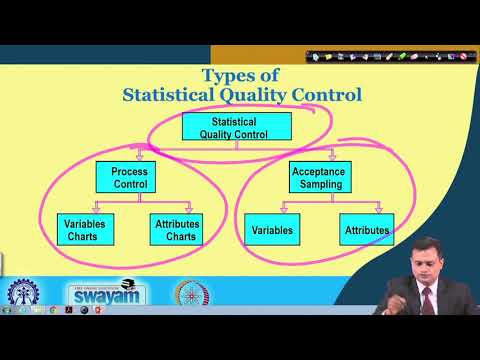
Watch Lecture 54: Acceptance Sampling: Key Concepts.
Domande frequenti
La classificazione di resistenza agli urti di un componente è valida anche per il suo imballaggio di spedizione?
No. Un test dei componenti e una valutazione completa dell'imballaggio hanno configurazioni e finalità differenti. Documentare il cartone effettivo, gli inserti, la quantità, l'orientamento e le condizioni di distribuzione prima di considerare rappresentativo qualsiasi risultato dei test di trasporto.
Può premere con la schiuma sull'attuatore per mantenere la parte ferma?
Non presumere che l'accordo sia consentito. Supporta le superfici di housing approvate e preserva lo spazio libero dell'attuatore e del terminale. Esamina l'intero pacchetto chiuso e impilato, dove la compressione potrebbe differire dal vassoio vuoto.
Una scatola più spessa è sempre sufficiente?
N. Movimento interno, contatto tra parti, supporti inadeguati e perdita dell'identificazione possono rimanere all'interno di una scatola robusta. Valutare l'intero sistema di protezione e le caratteristiche effettive del prodotto piuttosto che solo lo spessore della parete esterna.
Cosa dovrei conservare dopo una consegna danneggiata?
Registrare le posizioni originali del pacchetto e delle parti, conservare i supporti rilevanti e identificare i lotti interessati. Non raddrizzare o ritoccare i componenti sospetti prima dell'indagine concordata; ciò può alterare le prove e non stabilisce un comportamento di servizio accettabile.