
Hazardous location limit switches must be selected against the area’s classification, the substances present and the equipment’s applicable approval conditions. A metal housing, an IP rating or a familiar roller lever does not establish explosion protection. Start with a competent site classification and verify the exact device and installation evidence before purchasing. The LEMA LZ1 product family is referenced here to explain ordinary mechanical-switch interfaces. This article does not claim that an LZ1 variant is approved for a hazardous location. Without exact applicable evidence, do not substitute an ordinary industrial switch into a classified installation.
Establish the area classification before comparing switches
“Hazardous” is sometimes used informally to describe any dangerous machine. Electrical hazardous-location selection has a more specific context: potentially explosive atmospheres and the requirements for equipment installed there. Mechanical trapping hazards, electrical shock and explosion risks can coexist, but they are different assessment questions. A switch suited to ordinary machine travel detection is not automatically appropriate for every environment around that machine.
O HSE overview of ATEX and explosive atmospheres explains the relationship between potentially explosive atmospheres, workplace responsibilities and equipment requirements in its jurisdiction. Use the classification and rules applicable to the installation location. Do not translate an informal description such as “chemical factory” into an equipment approval requirement without the responsible site’s documented assessment.
Obtain the classification drawing and the substance information relevant to the switch location. The conditions at a loading point may differ from those in a nearby control room. The position of the enclosure, actuator and wiring route all matter. Purchasing should receive the approved requirements rather than being expected to infer a classification from a process photograph or the name of the industry.
Recognize the ordinary switch function and its limits
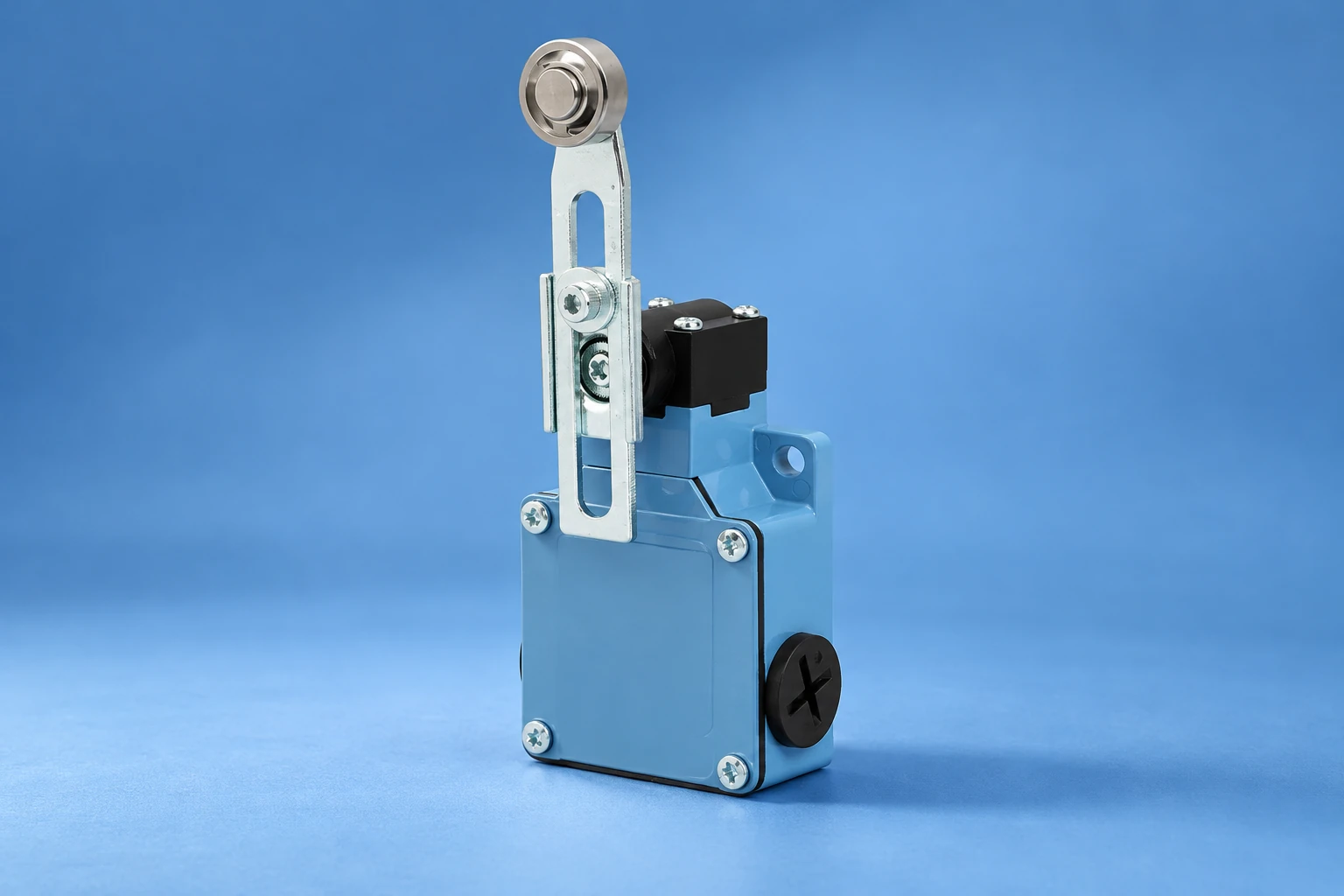
A mechanical limit switch responds to movement through an actuator and changes contact state. Its roller, lever and housing help define how it interfaces with the machine. Those visible features are useful for mechanical selection, but they do not reveal the complete ignition-protection construction, certification scope or permitted installation method. A robust-looking enclosure is therefore an inadequate basis for hazardous-area approval.
Review the ordinary function using the limit switch application guide e o actuator types guide. These explain travel detection and mechanical interfaces. Keep that functional review separate from the explosion-protection review. The chosen device must satisfy both, and passing the mechanical-fit check cannot compensate for missing environmental approval.
The educational video below explains normal limit-switch operation. It is included to clarify what the component does, not to demonstrate how to build or modify explosion-protected equipment. Do not dismantle, drill or alter a certified enclosure based on a general operating illustration. The manufacturer instructions and the applicable approved installation determine what is permitted.
Ask for an exact and verifiable approval scope
O IECEx description of its certification system explains the roles of approved certification bodies and testing laboratories. A useful supplier response identifies the actual product and the relevant certificate, together with the associated conditions and documentation. A company-level statement about experience in hazardous industries does not establish approval of the particular switch being ordered.
Match the manufacturer identity, complete model designation and relevant options to the approval record. Review whether the delivered actuator arrangement, entries and accessories fall within that record. Similar family names can cover different constructions. If a certificate refers to a component or includes conditions requiring further assessment, preserve that distinction instead of treating it as unconditional acceptance of the finished installation.
Check the current record and resolve discrepancies with the issuing body or responsible supplier. A scanned certificate can be incomplete, superseded or unrelated to the quoted configuration. Retain the evidence used at acceptance, including the document revision and the person responsible for the decision. The purpose is to make the selection reproducible for a later replacement or inspection.
Build a procurement decision record
| Review field | Prova necessária | Unacceptable shortcut |
|---|---|---|
| Location | Approved site classification and substance information | Inferring a class or zone from the factory name |
| Identity | Complete device code and relevant options | Matching only the housing photograph |
| Approval | Current applicable certificate and conditions | Using a company-level marketing statement |
| Instalação | Instructions and approved associated arrangements | Selecting convenient fittings without review |
| Manutenção | Controlled replacements and competent inspection | Assuming working contacts prove protection integrity |
This table is a qualitative review checklist. It is not a cross-reference between certification systems and does not assign a class, zone, temperature limit or gas group to any LEMA product. Those details must come from the installation requirements and exact equipment evidence. When the required information is missing, the correct procurement status is unresolved rather than provisionally suitable.
Allocate open questions to named owners. The site specialist establishes the classified-area requirements; the equipment designer defines the control function and interfaces; the supplier provides product documentation; the responsible reviewer checks the fit between them. A clear division of responsibility prevents a purchasing deadline from becoming an unsupported technical conclusion.
Separate ingress protection from ignition protection
Ingress ratings describe protection against specified environmental entry conditions. They do not, on their own, identify suitability for an explosive atmosphere. A sealed enclosure may still lack the required ignition-protection evidence. Conversely, an approved protection concept must still be installed and maintained within its environmental limits. Neither question should be closed merely because the other has a favorable answer.
O IP and NEMA comparison covers enclosure-rating scope as a separate topic. Do not turn an enclosure conversion chart into a hazardous-location selection tool. Review the relevant approval system, protection method, environmental limits and installation conditions directly. A numeric IP suffix cannot substitute for that record.
The same separation applies to metal construction. Metal can be relevant to mechanical durability and other design questions, but the material alone does not establish an explosion-protected enclosure. Avoid descriptions such as “explosion proof” in requests or purchasing records unless the exact approval basis has been verified. Precise language helps stop a general robustness claim from being mistaken for a safety qualification.
Review temperature and electrical duty within the approved scope
The intended circuit still needs a defined voltage, current, load characteristic and switching pattern. Approval for an environment does not mean unlimited electrical duty. Check the contact and circuit conditions against the product instructions and equipment design. A replacement with the same enclosure shape can have different contact arrangements or electrical limits.
The relevant temperature evidence must also match the application. Ambient conditions, nearby heat sources and the installed arrangement can influence suitability. Use the limits and conditions in the actual equipment documentation; do not infer them from a general product-family table. This guide provides no temperature-class selection formula or permissible surface-temperature claim for an ordinary LZ1 switch.
Where the proposed design uses an interface, barrier or another protection arrangement, assess the complete system through qualified design review. Do not assume that reducing the supply voltage or adding a relay makes an ordinary switch suitable. System-level protection depends on the documented arrangement and applicable requirements, not on a single favorable circuit characteristic.
Preserve the approved installation details
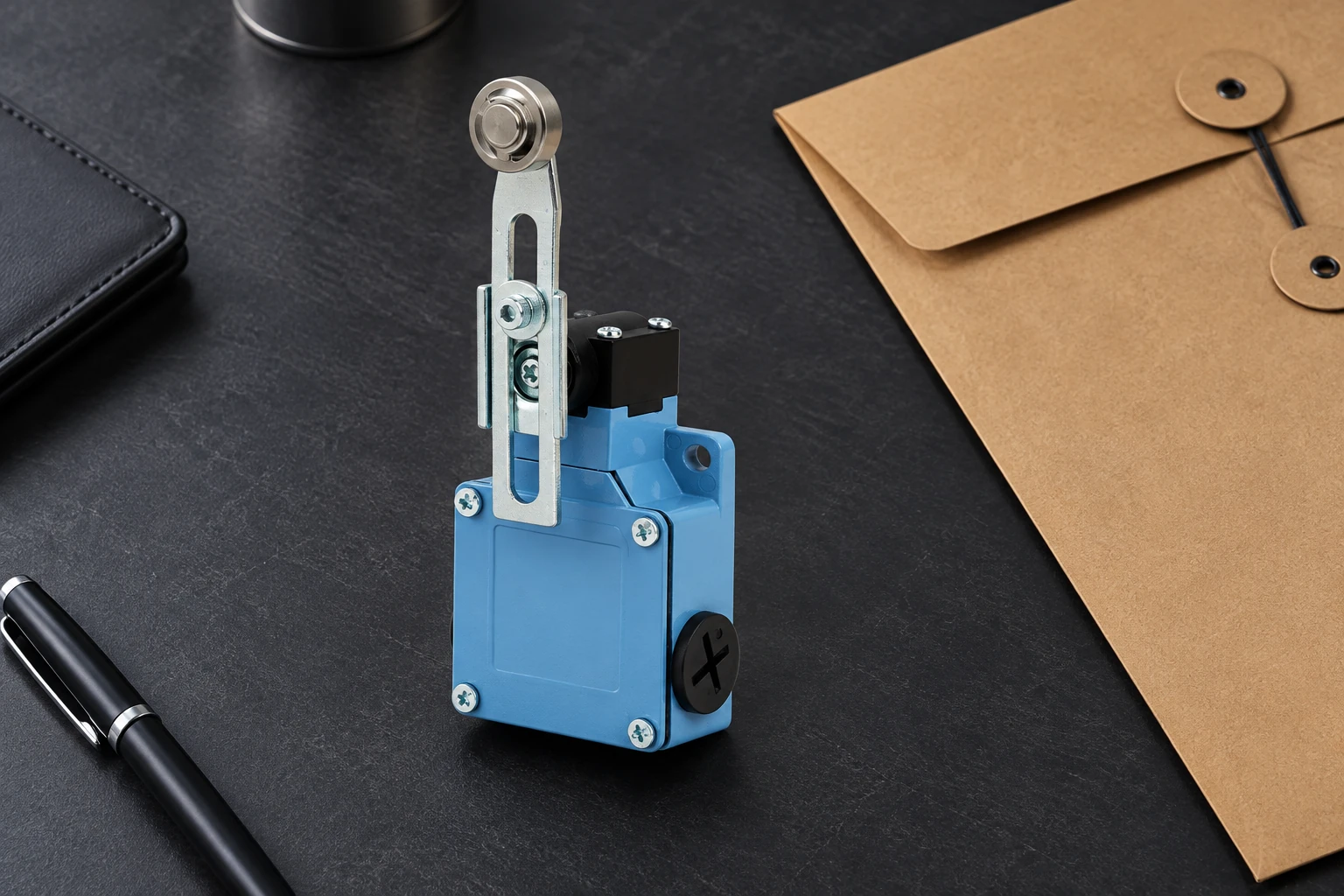
Cable entries, associated fittings, sealing arrangements, bonding and installation practices can be part of the accepted configuration. Their selection should follow the exact instructions and requirements for the approved equipment. A mechanically convenient fitting is not automatically an acceptable substitute. Have qualified personnel resolve entry and wiring questions before installation rather than improvising at the machine.
Mechanical integration remains necessary. The target must reach the actuator in the intended direction without imposing unsuitable side forces or using the switch as a physical stop. The mounting and repeatability guide helps define ordinary motion questions. For classified installations, those requirements must be met while preserving every condition on the approved device and its accessories.
Record deviations before work begins. If the planned bracket blocks required access, or the selected cable route conflicts with the instructions, revise the design through the responsible review process. Do not modify certified hardware to make an unreviewed arrangement fit. A successful motion test would not establish that the alteration preserved the environmental approval.
Control replacements and maintenance
Create a replacement record that includes the accepted code, approval evidence, relevant accessories and installation instructions. A stockroom description saying only “roller limit switch” leaves too much ambiguity. Similar dimensions and contact logic are insufficient for substituting equipment in a classified location. The replacement decision must preserve the accepted protection scope as well as the control function.
Maintenance planning should identify who is authorized to inspect, service and return the equipment to use. Follow the applicable instructions and site procedures. This article is not a field-repair procedure for flamepaths, seals or other protective construction. If damage or an undocumented alteration is found, have the responsible specialist determine disposition rather than relying on continued contact operation as evidence of safety.
Keep changes traceable. A different process substance, revised area classification, new ambient condition or alternative supplier may require the selection to be reviewed again. The final deliverable is a documented match between the site requirements, exact equipment and installed arrangement. If LEMA cannot supply the required verified approval for a proposed variant, retain that limitation and select a separately qualified solution through the responsible equipment process.
Ordinary mechanical operation video
RealPars: Limit Switch Explained | Working Principles
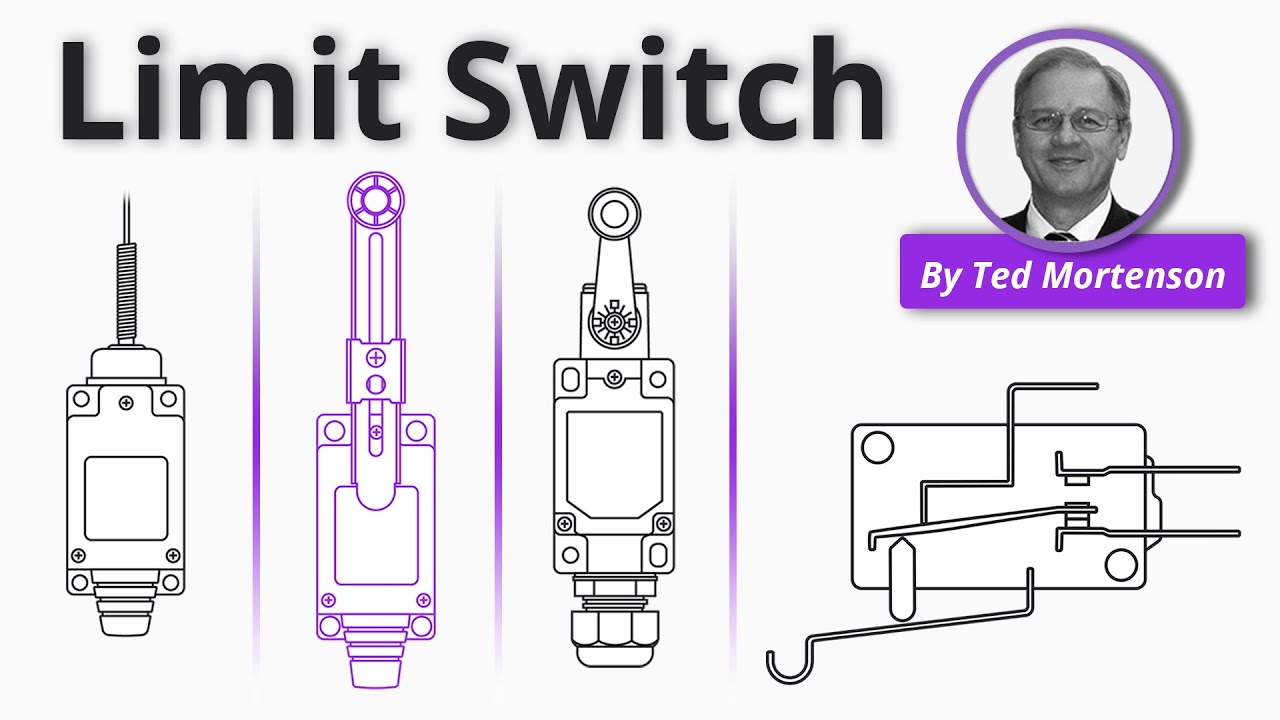
Watch Limit Switch Explained | Working Principles.
RealPars explains the working principle of a mechanical limit switch. This supports the actuator and contact-function discussion only. It does not show a hazardous-location qualification, certify an LZ1 model or provide installation instructions for explosion-protected equipment.
Perguntas frequentes
Does an IP66 metal switch automatically suit an explosive atmosphere?
No. Ingress protection and metal construction do not establish hazardous-location approval. Match the exact equipment evidence and installation conditions to the classified-area requirements.
Does this article claim LZ1 switches are explosion protected?
No. The LZ1 family illustrates ordinary mechanical interfaces only. Do not use a proposed variant in a classified installation without exact applicable approval and installation evidence.
Can a low-voltage circuit make any mechanical switch suitable?
No. Supply voltage alone does not establish a suitable protection arrangement. The complete equipment and installation must be assessed against the applicable requirements by responsible qualified personnel.
What must be checked when replacing a classified-area switch?
Check the complete model, applicable approval, conditions, accessories and installation instructions along with the mechanical and electrical function. Similar size and contact logic alone are insufficient.