
Sliding-gate end-of-travel feedback must be reviewed with the real motion path and target geometry. Document alignment, control response, mounting, cable routing and service access before discussing a selected device.
Important: a switch label or enclosure appearance does not prove outdoor protection, rating, approval, safety function or life. Source note: confirm the selected model documentation and IEC 60947-5-1 scope with the gate-system review.
– FAQ
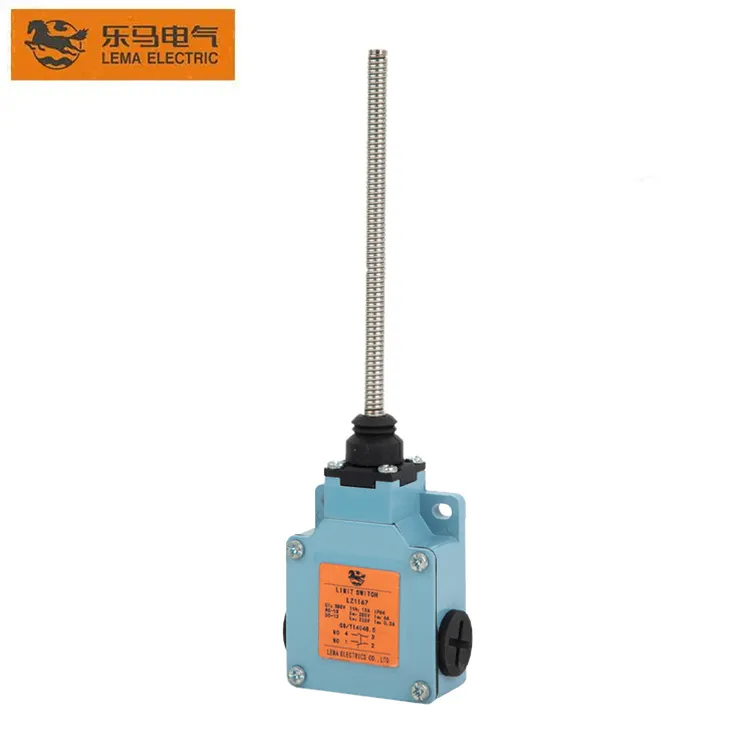
Part 1. What is sliding-gate end-of-travel feedback?
It is a documented input to the gate control design when the moving assembly reaches a defined position. The target location and required response should be set by the complete gate mechanism and controls.
Use the LEMA Limit Switch product line after the gate motion file is prepared.
Part 2. Which motion and target inputs should be documented?
Provide gate travel, end positions, target geometry, approach direction, available adjustment, alignment tolerance and representative environmental exposure. A drawing or sample mechanism helps make the interface reviewable.
| Input | Document | RFQ |
|---|---|---|
| Motion | Travel, end positions and target path | Yes |
| Control | Required response and circuit interface | Yes |
| Installation | Mounting, cable route and service access | Yes |
Part 3. How should control and cable context be recorded?
Include the control drawing, state-change requirement, cable exit direction, route, enclosure interface and replacement method. Do not separate the electrical response from the mechanical event that triggers it.
For a related travel scenario, read the travel-end review.
Part 4. Which alignment and service details matter?
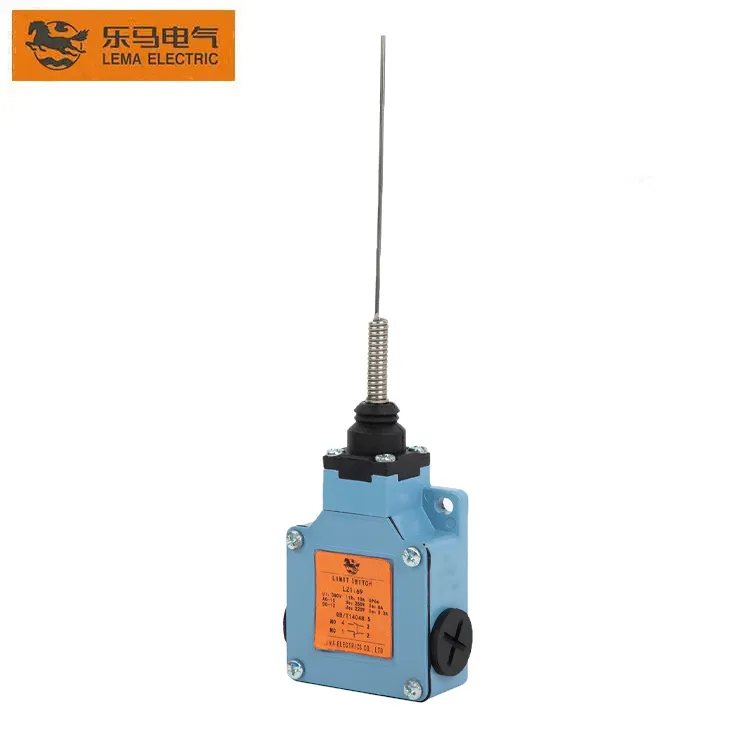
Review bracket stiffness, target alignment, adjustment access, cable clearance, inspection path and removal process. Plan maintenance around the installed gate mechanism instead of a bench-only arrangement.
Part 5. Why does a general guide not prove model suitability?
This article cannot establish protection, electrical duty, approval, endurance or suitability for a particular gate. Each requirement must be confirmed from selected documentation and the completed system review.
Part 6. What should be validated before release?
Validate a representative installation for end-position detection, target contact, circuit response, alignment retention, cable routing and service access. Keep the confirmed configuration with the gate release documentation.
Fit Boundary: this guide structures feedback inputs; it does not certify a component or sliding-gate system.
Part 7. How can LEMA support an inquiry?
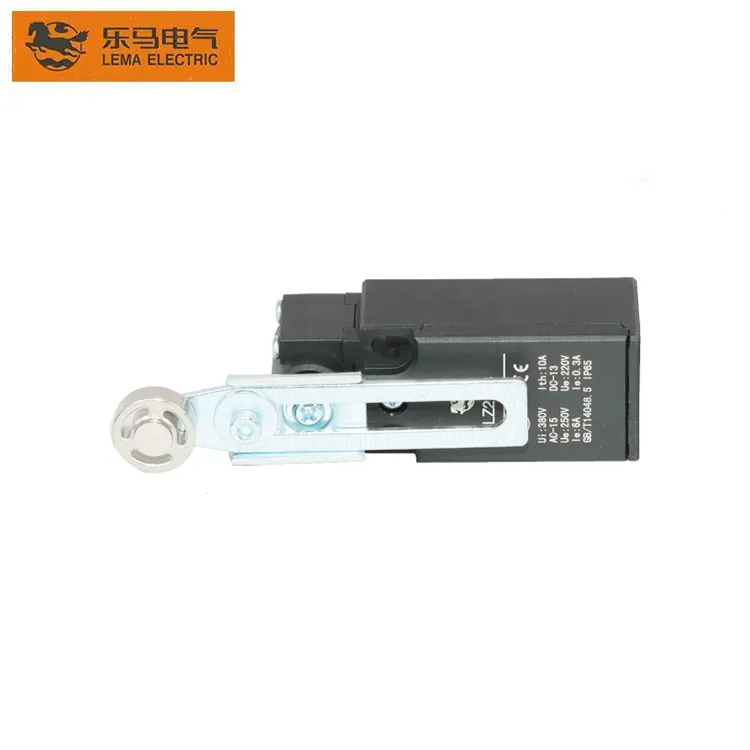
Use the Limit Switch product route once the gate, target and control details are ready.
Send a sliding-gate RFQ with motion, target, circuit, mounting, cable and sample inputs.
## FAQ
What is sliding-gate end-of-travel feedback?
It is a documented position input to the gate control design when the moving assembly reaches a defined end position.
Which target details belong in an RFQ?
Include geometry, approach direction, alignment range, adjustment access and the installed motion path.
How should alignment be reviewed?
Review bracket stiffness, target position, available adjustment and the representative installed mechanism.
Does a product label prove outdoor suitability?
No. Required protection and approval properties need selected-model documentation.
What cable details should be supplied?
Document exit direction, route, enclosure interface, clearance and replacement method.
What should be validated before release?
Validate travel detection, target contact, circuit response, cable routing and service access.
## References