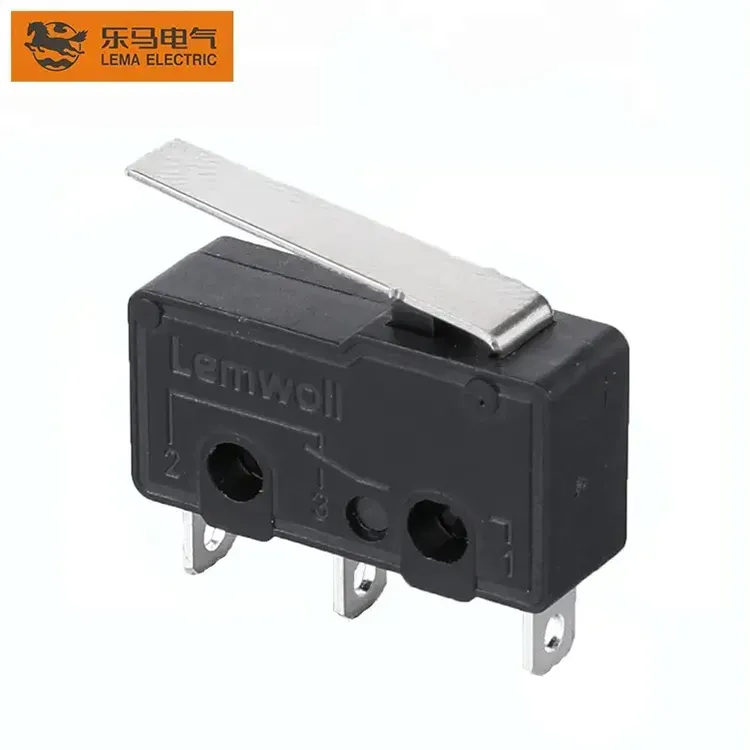
Micro electrical switches are vital components of contemporary electronic systems, allowing proper function and effective operation of many types of equipment. Micro Switches are small devices used to accurately control the supply of electricity from a power source to multiple electrical parts. The following guide will help you to better understand the micro electrical switch marketplace and what important features to look for when selecting quality micro electrical switches. Factors you should take into consideration when choosing a product and tips to ensure that you buy the right product for your application can be found throughout this guide.
What is a Micro Electrical Switch?
An electrical micro switch is a tiny site-specific contact element that does not require much physical motion to actuate the switch. Micro switches are utilized mainly when space is constrained or when it is imperative that the design is reliable; examples of such products are household appliances, automotive goods, and other equipment used within the industrial sector. Common switching functions for these types of devices include on/off and limit switching, among many others.
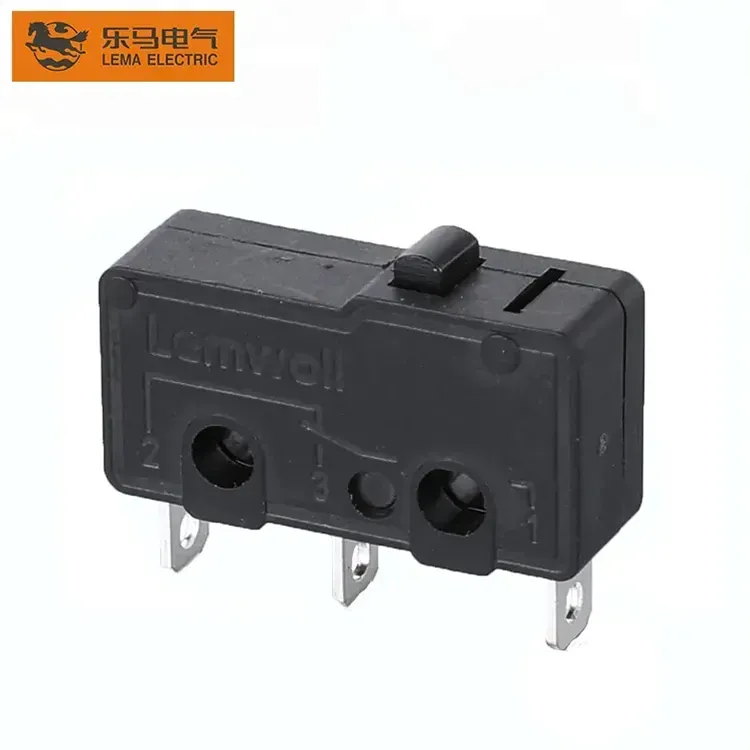
How to Choose High-Quality Micro Electrical Switch
When selecting a micro electrical switch, it’s vital to consider several important aspects:
1. Contact Rating: Typically measured in volts and amps, the contact rating reflects the amount of power that a switch can handle. Before using a switch, always check the specifications to make sure it will effectively handle the load required for your application.
2. Operating Temperature: Different climates need different switches because of their thermal specifications. Make sure the switch you select can work properly within your range of temperatures to be effective.
3. Switch Mechanism: There are different types of actuation methods available for micro switches such as mechanical actuation, magnetic actuation or pneumatic actuation etc. You need to select an appropriate method based on your product’s design and functionality.
Key Tips for Purchasing Micro Electrical Switches
Here are some essential tips to keep in mind while shopping for micro electrical switches:
– Research Companies: Look for manufacturers who have a good reputation for producing high-quality microswitches. There’s a wealth of customer review information available about these types of products.
– Ensure Your Project Meets Technical Specifications: Before beginning any project, always check that its technical specifications conform to the project’s requirements.
– Ask for Advice: If you’re not certain about what type of switch to buy, seek opinion from others (professionals or forum members) in your field of work.
Factors to Consider When Buying Micro Switches
Several additional factors should influence your decision when purchasing micro switches:
1. Size and Form Factor: Verify that the micro switch is of the right dimensions to fit into your design. In some situations, the design may also have to be compact (i.e., small and lightweight).
2. Life Cycle Durability: Durability and Lifespan of the Switches Should be Both Tested and Certified. The Criticality of Lifespan is More Important in Applications of High Use.
3. Environmental Considerations: Look into switch products that are designed for your application and can withstand humidity, dirt and other negative influences if your switch application is in a harsh condition.
Frequently Asked Questions (FAQ)
What is the difference between micro electrical switches and limit switches?
Micro electrical switches (control switches), are very small-sized control switches that are used in a wide variety of electrical applications as compared to limit switches (limiting switches) which are a specific type of electrical switch that is used for defining limits or endpoints of motion in mechanical systems. Limit switches and micro electrical switches can sometimes be used as interchangeable switches in some applications; however, limit switches typically will be considered more of a “safety mechanism” in regards to providing controlled motion as compared to micro electrical switches being more used as a non-safety mechanism.
Can micro electrical switches handle high currents and voltages?
Micro switches generally work at lower current and voltage levels than some of their larger counterparts, but some industrial models have much higher ratings. The Contact Rating of the switch should be checked before using it to verify that it has a Contact Rating sufficient for your application.
How do I install a micro electrical switch in my device?
Installing a micro-switch is influenced by the micro-switch’s designed construction and intended use. Most often, you’re going to wire the micro-switch to a terminal or solder the micro-switch directly to a printed circuit board. Be sure that your micro-switch is compatible with the system you plan to install it in and refer to micro-switch product manuals for instructions on how to install them.
What are some common applications for micro electrical switches?
Appliances including refrigerators, microwaves, and alarm systems use microelectrical components such as microelectrical switches. Using them in industrial machinery, vending machines, automotive products, and many other applications allows us to control electrical currents through various circuit designs. They are also used in gaming devices, safety equipment, and instrumentation panels.
Conclusion
The performance and reliability of your devices can be greatly impacted by your selection of a micro electrical switch. Using this buying guide will help you make an informed choice. Look at the specifications of the switches, only purchase switches from reputable manufacturers, review the operating environment to select a switch that is appropriate for your application, etc. Ultimately the quality of micro switches will lead to improved efficiency and functionality in your application.