
A miniature electric micro switch fits tight envelopes in appliances, medical devices, vending equipment, and automotive modules where standard lever switches are too large. Compact series trade panel space for careful attention to operating force, terminal type, and thermal rise at rated load. This guide helps U.S. and Canadian OEM teams compare subminiature and compact micro switch families and document acceptance tests before production release. This guide focuses on practical evaluation steps for U.S. and Canadian OEM buyers—specifications, sample qualification, and documentation—not generic marketing claims. Cross-check public specifications on lemaele.com and confirm project-specific ratings with your design engineer and LEMA Electric before production release. Section checklists can be reused as RFQ attachments and supplier audit outlines.
Part 1. When Miniature Switches Beat Standard Series
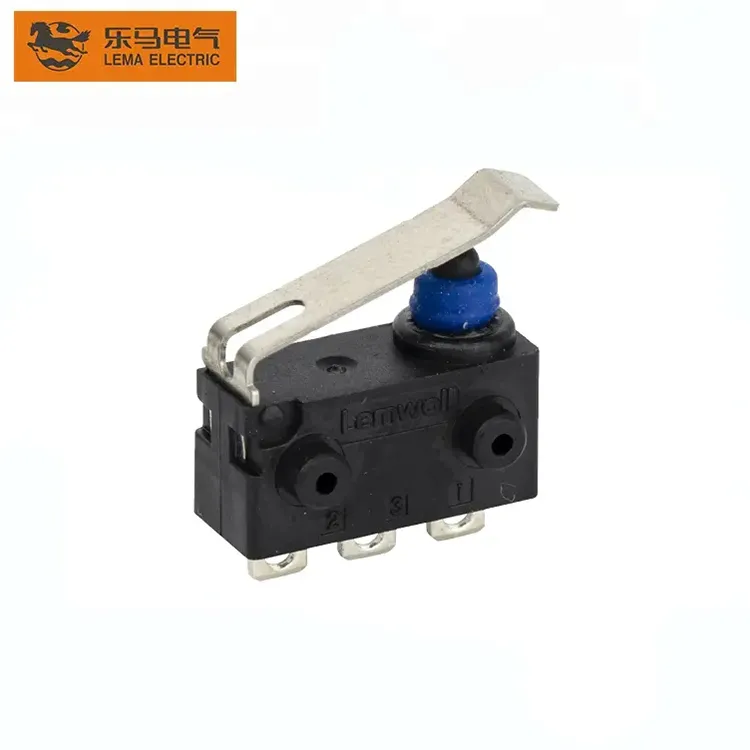
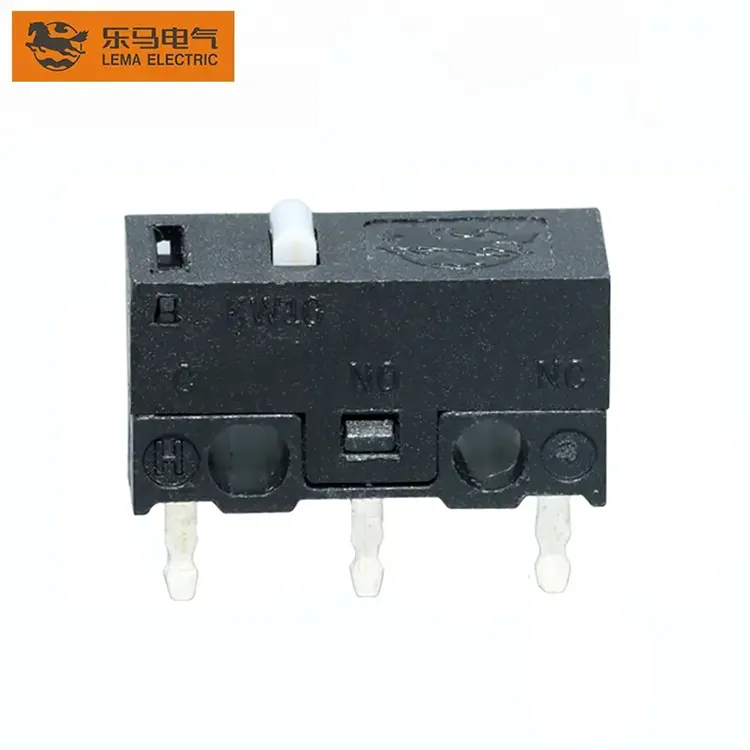
Miniature micro switches target PCB-mounted or wire-lead applications with envelope heights often under 20 mm depending on actuator.
Operating force and pre-travel are smaller—fixture design must avoid over-travel that stresses the internal spring.
Compact bodies may have lower current ratings than general-purpose series; derating may apply for inductive or inrush loads.
Map the switch series to equipment category—appliance, industrial machine, automotive aftermarket, or control panel—before finalizing AVL.
Environmental exposure (dust, wash-down, outdoor) should drive IP class and material choices as early as actuator selection.
Browse related series on LEMA Electric micro switch catalog when multiple switch types appear in one BOM.
Include actuator type, terminal style, and load profile in the RFQ package to reduce sample iteration cycles.
Align switch series selection with mechanical fixture design before tooling freeze on OEM programs.
Define acceptance tests—operating force, contact resistance, and release point—before approving a supplier lot.
Part 2. Key Specifications and Terminal Options
Terminal type (solder lug, quick connect, PCB pin, wire lead) drives assembly and service strategy on the line.
Sealed subminiature variants exist for damp environments—confirm whether IP rating covers the actuator or full body.
Contact material (silver, gold-plated) should match signal vs power circuits in your BOM.
Integration teams should confirm wire gauge, bend radius, and strain relief compatible with chosen terminals.
For high-cycle applications, plan inspection intervals based on mechanical life data at rated current.
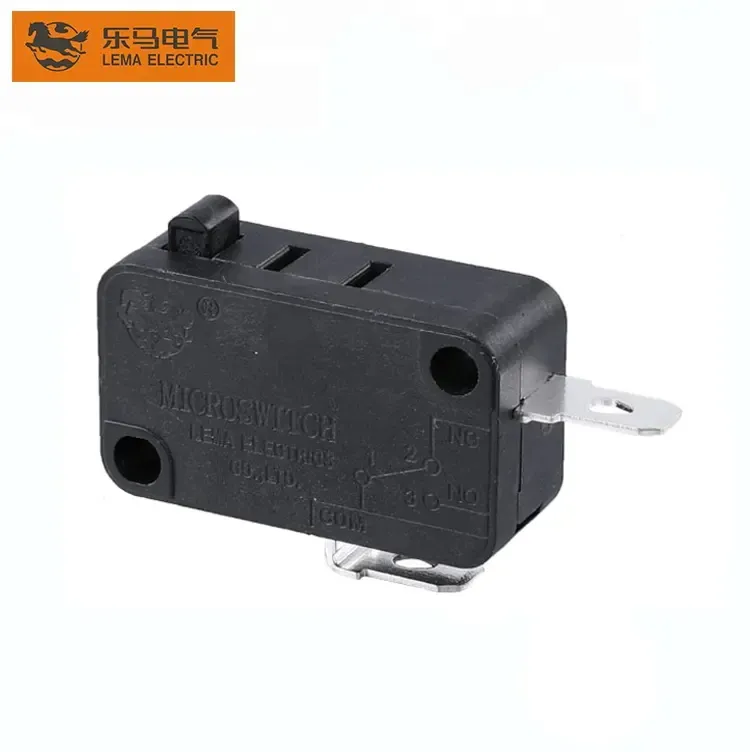
Document NC/NO assignment and wire colors in schematics to reduce field wiring errors during service.
Include actuator type, terminal style, and load profile in the RFQ package to reduce sample iteration cycles.
Align switch series selection with mechanical fixture design before tooling freeze on OEM programs.
Define acceptance tests—operating force, contact resistance, and release point—before approving a supplier lot.
| Parameter | Why it matters | Buyer question |
|---|---|---|
| Envelope size | Mechanical fit | Height with lever installed? |
| Operating force | User feel / reliability | Min release force? |
| Rated current | Safety margin | Continuous at 125/250VAC? |
| Terminal type | Assembly | PCB vs pre-wired leads? |
| Mechanical life | Service interval | Cycles at rated load? |
Part 3. Sample Testing and AVL Approval
Qualify samples on the production fixture with temperature soak if the application sees engine bay or oven-adjacent heat.
Document contact resistance and operating/release points across three sample lots before releasing PO.
Lock revision-controlled datasheets to internal part numbers—suppliers sometimes update terminal plating without notice.
Procurement should lock revision-controlled part numbers after sample approval to prevent unqualified substitutions.
Keep a replacement guide with equivalent actuator geometry for maintenance teams.
Submit application notes via LEMA Electric engineering contact when standard catalog actuators do not fit the mechanical layout.
Include actuator type, terminal style, and load profile in the RFQ package to reduce sample iteration cycles.
Align switch series selection with mechanical fixture design before tooling freeze on OEM programs.
Define acceptance tests—operating force, contact resistance, and release point—before approving a supplier lot.
Part 4. Documentation and Handover Checklist
OEM acceptance should not rely on visual inspection alone—documentation proves ratings, actuator variant, and compliance scope for each lot.
Use the tables below as a starting RFQ checklist; your quality system may require additional PPAP or inspection items.
For product-specific datasheets, cross-check related LEMA Electric product pages and request missing type test excerpts.
When comparing quotations, normalize currency, Incoterms, sample charges, and included compliance documents before ranking suppliers.
Align incoming inspection with tests your QA team can repeat—operating force, contact resistance, and dielectric checks where applicable.
| Document / item | Purpose | When to request |
|---|---|---|
| Factory type test report | Verify rated current/voltage and mechanical life | Before purchase order |
| Dimensional drawing / CAD | Panel cutout, mounting, and wire exit | Design phase |
| Compliance certificates | UL/CE scope for the exact series | Before AVL approval |
| Sample inspection criteria | Operating force, contact resistance, sealing | Before first production lot |
| Spare parts list | Field service and critical replacements | Contract negotiation |
| Application | Typical actuator | Selection note |
|---|---|---|
| Home appliances | Lever / roller lever | Confirm temperature and life at rated load |
| Industrial sensing | Plunger / roller | Match operating force to fixture travel |
| Automotive aftermarket | Sealed lever | Validate vibration and temperature range |
| Door / latch interlocks | Roller or simulated roller | Check release point and over-travel margin |
Part 5. Sample Qualification, Field Service, and Lifecycle Support
Qualify switch samples on the production fixture at minimum and maximum expected ambient temperature when applications are sensitive to operating force drift.
Functional checks should include contact resistance, insulation if applicable, and correct NC/NO behavior under simulated fault conditions.
Field service teams need replacement part numbers tied to actuator geometry—document equivalents to reduce machine downtime.
Track early-life failures by lot code; recurring contact wear may indicate load or actuator misalignment rather than switch quality alone.
Schedule a design review with LEMA Electric when upgrading equipment platforms or changing harness suppliers.
Maintain a critical spares list for safety interlocks and high-cycle stations based on lead time, not only unit cost.
Revision-control datasheets when suppliers update materials or factory locations—re-qualify if actuator force or terminal plating changes.
Recommended LEMA Electric Products
For project support, explore our related product line, full product catalog, and OEM/ODM capabilities on lemaele.com.
FAQ
What is Miniature Electric Micro Switch?
Miniature Electric Micro Switch refers to switch products and selection criteria covered in this guide for OEM buyers in the U.S. and Canada.
What is the difference between SPST and SPDT?
SPST has one circuit path; SPDT switches one input between two outputs—confirm which pole your safety or control logic requires.
What IP rating should I specify?
Match IP67/IP68 to wash-down or outdoor exposure; confirm actuator-only vs full-body sealing.
What certifications matter in North America?
UL or recognized component listings for the exact series and configuration are commonly required.
How do actuator types affect integration?
Lever, roller, and plunger styles change mounting envelope, force, and travel—align with fixture design early.
What documentation belongs in an OEM RFQ?
Datasheets, drawings, compliance certificates, MOQ/lead time, and inspection criteria.
Can switches be customized with wire leads?
Many manufacturers offer lead length options—confirm tooling, MOQ, and sample approval.
When should I contact the manufacturer directly?
When catalog ratings do not cover your voltage, temperature, or sealing requirements.
References
Ready to discuss your project? Contact LEMA Electric engineering support with your project parameters and technical requirements.