
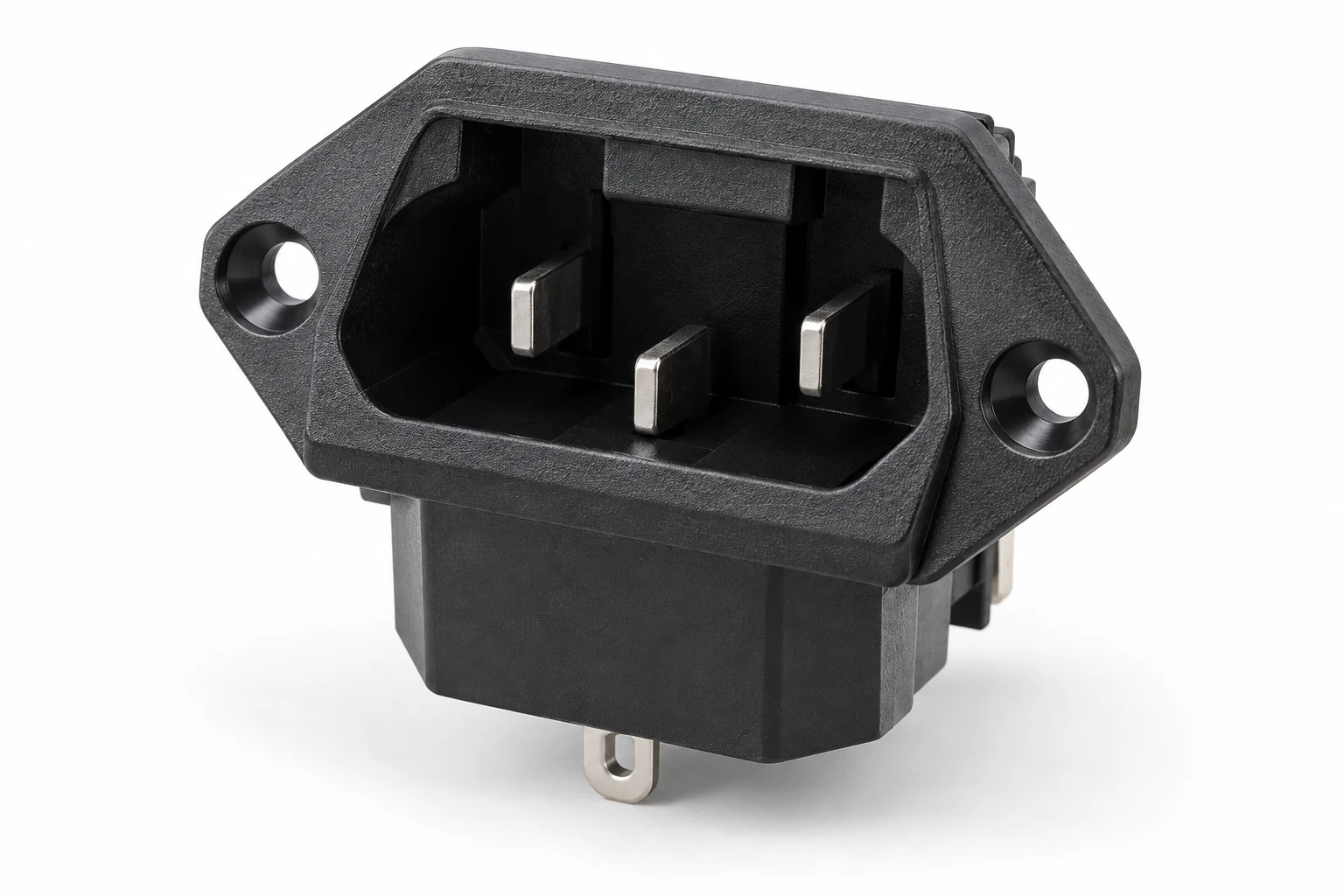
Power inlet glow-wire evidence must identify whether the result concerns a material specimen or the finished component under a defined test. GWFI, GWIT and glow-wire end-product testing answer related but different questions. A resin result or a UL 94 flame class cannot automatically be relabeled as an inlet’s end-product glow-wire approval. For the LEMA IPZ family, request the exact version, material identity and applicable test documentation before making a procurement claim. This guide explains the evidence boundary; it assigns no glow-wire temperature, pass result or equipment approval to a photographed IPZ inlet.
Identify the requirement before requesting a number
Buyers sometimes ask for a glow-wire temperature without stating the equipment, standard or test type. That can produce a technically accurate supplier answer that addresses the wrong question. Begin with the end-product requirement and the exact component role. The responsible equipment reviewer should determine which evidence is applicable and whether further assessment is required.
Das UL electric ignition source overview distinguishes glow-wire end-product testing from material flammability and ignition-temperature evaluations. The UL plastics standards overview places these methods within the wider plastics-evaluation framework. These sources support a comparison of test identities; they do not provide a result for an IPZ housing or an exemption for a particular machine.
Write the required evidence in the purchase specification using the applicable method and document reference. If the customer’s requirement is unclear, resolve it before selecting a favorable number from a resin record. A reply saying “our plastic is flame retardant” does not identify the method, specimen conditions or finished-part boundary needed for an informed decision.
Separate GWFI, GWIT and end-product evidence
GWFI concerns a material specimen’s behavior under its defined glow-wire flammability evaluation. GWIT concerns a material’s ignition-temperature evaluation under another method. End-product glow-wire testing addresses a finished item or relevant end-product arrangement according to its procedure. Their abbreviations are not interchangeable labels for one generic fire test.
Read the method and result fields together. A test temperature without its method can be ambiguous, and a method name without the specimen identity can be equally incomplete. Do not convert a value from one record into a different test outcome. If a customer asks whether a finished inlet meets an end-product requirement, provide the evidence that actually supports that scope or preserve the unresolved gap.
This article deliberately avoids a numeric pass table. The required values and assessment route depend on the applicable equipment requirements, specimen and test method. Copying a convenient threshold from an unrelated product would create an apparent answer without establishing that it applies. The useful comparison is between the requirement and the exact supporting document.
Match material evidence to the molded part
A resin record should identify the manufacturer and material grade, with the conditions relevant to its published properties. Color and specimen thickness may be part of the evidence. An exterior photograph cannot identify the formulation or establish which record applies to every molded portion of the inlet. Request the supplier’s connection between the documented material and the ordered component.
The inlet may contain more than one insulating or molded part. Define which part the evidence covers and whether the equipment requirement concerns that part. Do not assume the housing, fuse drawer and other plastic elements use one material merely because they look similar. If the supplier uses multiple approved materials, determine which records and production controls apply to the delivered configuration.
Keep this review linked to the power inlet material flame-class guide. A UL 94 classification remains useful within its scope, but it is a separate statement. The goal is to preserve each piece of evidence accurately, not to dismiss one test or promote it into proof of every fire-related requirement.
Organize the glow-wire evidence request
| Request field | Beweise erforderlich | Boundary |
|---|---|---|
| Requirement | Applicable equipment requirement and method | No generic temperature-only request |
| Test identity | GWFI, GWIT or end-product report | Do not rename one method as another |
| Specimen | Material grade or exact finished configuration | An unrelated sample is insufficient |
| Production link | Supplier connection to ordered inlet | Appearance does not identify resin |
| Änderungsmanagement | Relevant material and construction changes | Preserve the accepted evidence scope |
The table is a procurement checklist rather than a test procedure. It asks who tested what, under which method and conditions, and how the result connects to the item being purchased. Store the underlying documents rather than only copying the headline result into a spreadsheet. A later reviewer may need to see conditions that did not fit in the summary field.
If a document is a material recognition record, label it that way. If a report concerns a finished component, preserve the complete configuration and any limitations. A supplier declaration can connect records to production, but the declaration should not change the meaning of the original test. Keep both the connection statement and the original evidence available.
Review the end-product installation boundary
The inlet is installed near conductive parts, wiring and surrounding materials. The applicable assessment determines how those features affect the fire-evaluation question. An isolated sample and the finished equipment are not necessarily equivalent. Ask the responsible reviewer whether the available component evidence is sufficient for the intended arrangement or whether further evaluation is needed.
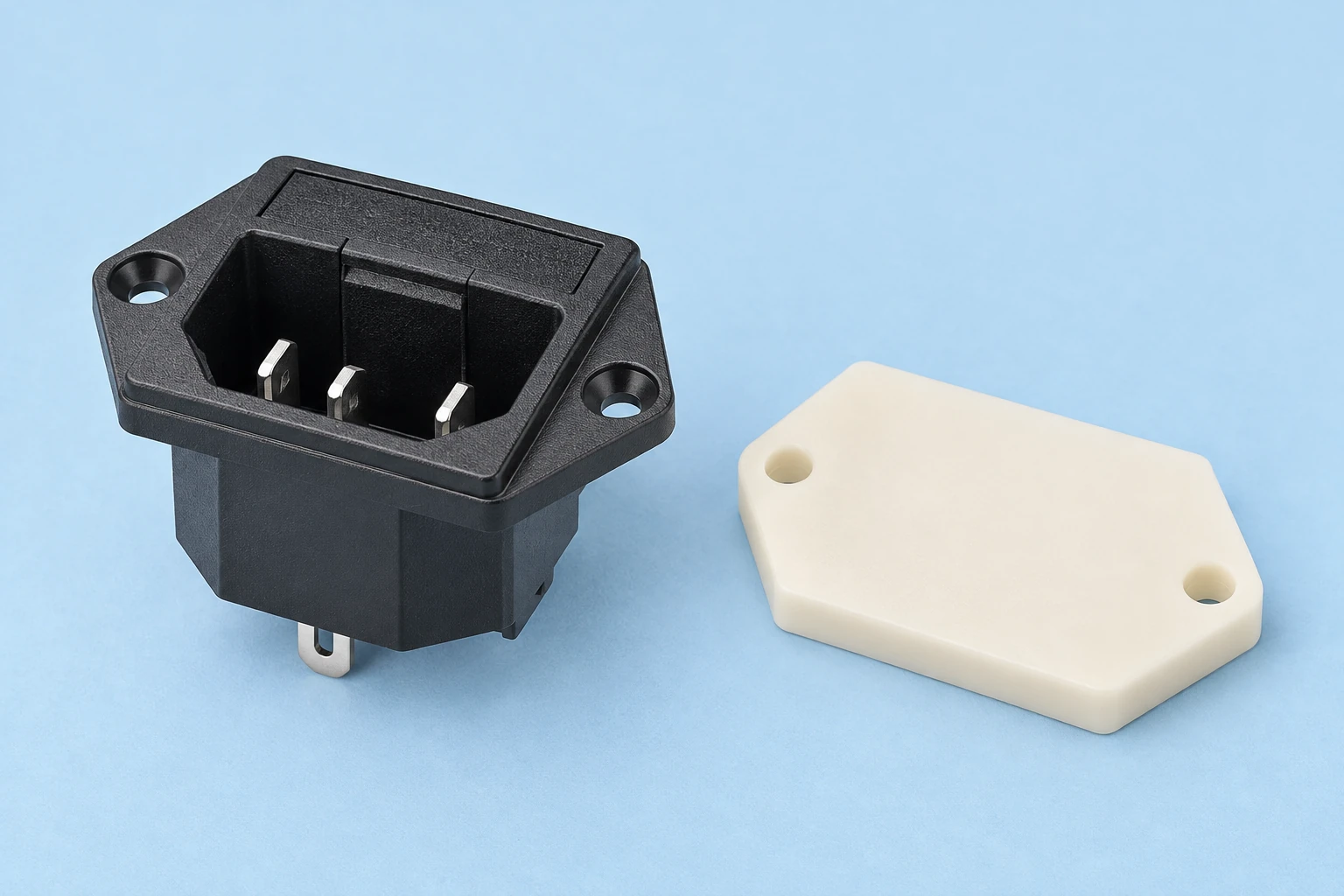
Mechanical changes can also matter. A different mounting method, adjacent material or accessory can alter the relevant configuration. The panel mounting guide supports the separate fit and retention review. It does not authorize a fire-test conclusion. Keep changes visible so the evidence review can be reopened where necessary.
Do not modify an inlet to improve a test result without assessing the consequences. Added shielding, coatings or extra insulating pieces can introduce thermal, electrical and manufacturing questions. A solution must be reproducible in the released assembly and accepted under the relevant requirements. A one-off laboratory alteration is not automatically a production qualification.
Distinguish ignition testing from normal operating temperature
A glow-wire evaluation is not a permissible continuous operating-temperature rating. It uses a defined ignition-source method to investigate particular fire behavior. Do not compare the quoted test temperature directly with an inlet’s normal ambient or terminal temperature and assume the larger number permits hotter service.
Das inlet temperature-rating guide covers pin, ambient and assembly heating as separate questions. Electrical load, connection quality and ventilation remain relevant even when the plastic has documented fire-test properties. A material can have favorable ignition evidence while the actual assembly still requires a thermal correction.
Similarly, a glow-wire record does not establish current-carrying capacity, insulation spacing or protective-earth continuity. Keep those acceptance items in the equipment record. Procurement can collect the documents together for efficiency while the technical review preserves which requirement each document addresses and which conclusions remain unsupported.
Plan testing through the responsible laboratory
If testing is needed, agree on the exact method, sample configuration, conditioning and acceptance route with a competent laboratory. Supply the complete ordered identity and intended use. This article provides no instructions for heating a wire, energizing an inlet or reproducing an ignition test outside a controlled facility. Informal demonstrations cannot replace the required evidence.
Ask how many configurations need to be represented and how changes in material or geometry will be handled. Preserve the report’s sample identity and deviations. If the tested sample differs from production, resolve that difference before accepting the evidence. A photograph showing a successful demonstration does not identify every condition that the formal report must establish.
Separate development observations from an acceptance result. An early test can help locate a weakness or compare materials, but it should be described with its actual purpose. Do not issue a blanket pass statement when the report is exploratory, incomplete or limited to one unrepresentative sample.
Keep the accepted claim accurate over time
Record the approved material and component connection, document revisions and change-notification requirements. A supplier substitution can require a new evidence review even when the order code appears unchanged. Use the switch supplier change process as a model for asking how relevant construction changes are communicated.
The final purchasing statement should be precise enough to audit: identify the relevant method, scope and supporting document without implying a broader equipment approval. Where only material-level evidence is available, say so. An honest limited statement is actionable; an inflated result can lead the equipment team to omit an assessment it still needs.
Compare with a university flame-test demonstration
WWU Engineering and Design: UL94 Vertical Flame Test Instructional Video WWU
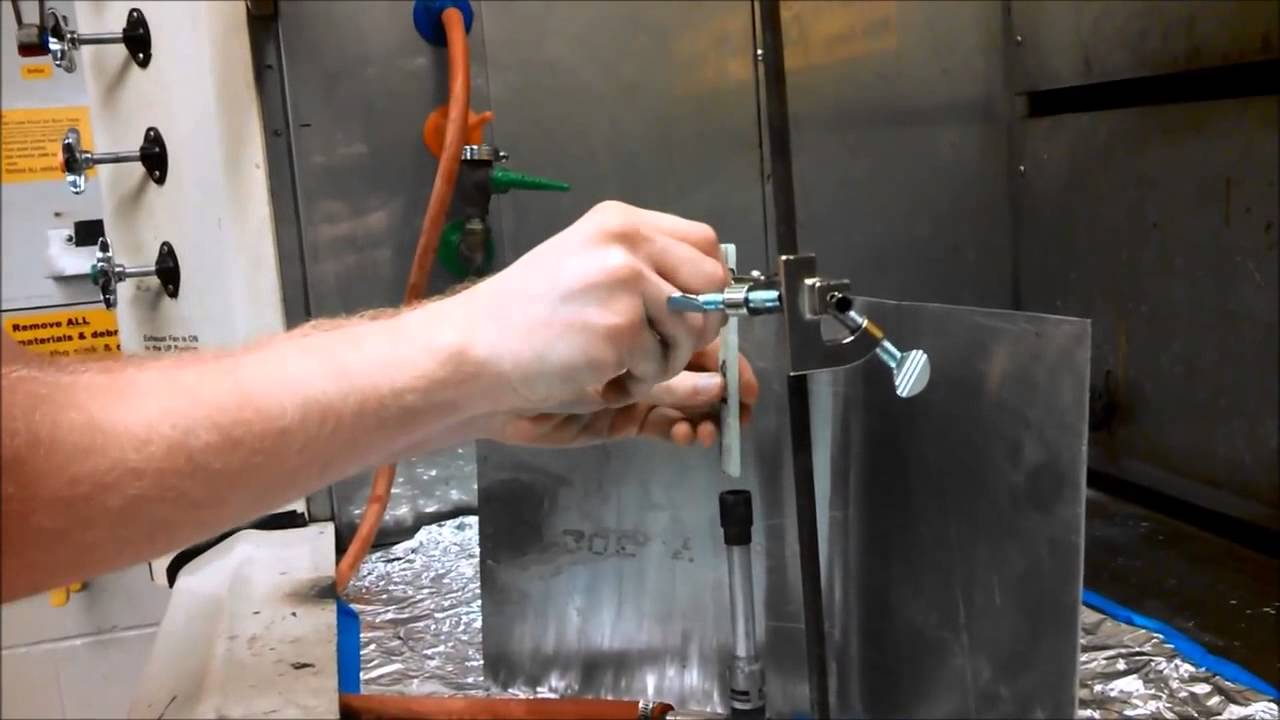
Watch UL94 Vertical Flame Test Instructional Video WWU.
Western Washington University’s video demonstrates a UL 94 vertical flame test. It is included specifically to show that this is a different method from glow-wire testing. It is not a glow-wire demonstration, does not test an IPZ inlet and cannot supply the missing end-product evidence discussed in this article.
Häufig gestellte Fragen
Are GWFI and GWIT the same result?
No. They concern different glow-wire material evaluations. Keep the method, specimen and result together and compare them with the actual equipment requirement.
Does UL 94 V-0 automatically prove an end-product glow-wire pass?
No. UL 94 and glow-wire evaluations use different methods and scopes. Request the evidence applicable to the finished component or equipment requirement instead of relabeling a flame class.
Is a glow-wire test temperature a continuous service rating?
No. An ignition-source test result does not define normal operating temperature, current-carrying capacity or an unrestricted thermal limit for the inlet.
Does the photographed IPZ inlet have a declared glow-wire result here?
No. This article assigns no result to that variant. Obtain the exact material and component documentation needed for the proposed equipment.