
UL Listed vs UL Recognized switches is a question about the scope of the approval, not simply which logo looks more reassuring. For an OEM buying a switch to build into equipment, confirm the exact component identity, the certification category, the covered electrical duty and any conditions attached to its use. A recognized component can be appropriate for an evaluated assembly, while a listing on another product does not approve every possible installation. Start with the evidence for the ordered variant, then have the equipment approval reviewed against the intended application.
This guide addresses purchasing and engineering document review. The LEMA KW7 micro switch is the physical product example. Its catalogue mentions several approvals across the series; that statement is a reason to request the applicable records, rather than proof that every combination of terminals, lever, rating and operating force has identical coverage. No certification file number or unrestricted approval is inferred from the illustrations in this article.
Separate the component decision from the equipment decision
A switch supplier and an equipment manufacturer answer related but different questions. The supplier identifies what was manufactured and provides the documentation that applies to it. The equipment manufacturer checks whether that part fits the design, the environment and the applicable equipment evaluation. A purchasing release should connect those two decisions without treating one as a substitute for the other.
UL Solutions explains component recognition as a program for parts and subassemblies used in larger certified products. Such parts have conditions of acceptability. In practical review, ask what those conditions require for the particular switch and how the equipment drawing satisfies them. Keep this evidence with the component record so a later engineer can understand the selection without relying on the original purchaser’s memory.
Establish which version will actually be supplied
A family name is rarely enough to close the review. Write down the full order code and ask the supplier to confirm its interpretation. Include the contact arrangement, terminal style, actuator, electrical rating and any options that distinguish the sample from the production item. The KW7 series overview helps organize those product questions before discussing approval coverage.
Match the quotation, drawing, sample label and technical record. If the names differ, request a written cross-reference rather than assuming they are interchangeable spellings. A distributor stock number may identify a package rather than the original manufacturer’s complete part number. Record who resolved that distinction and retain the response with the purchase specification.
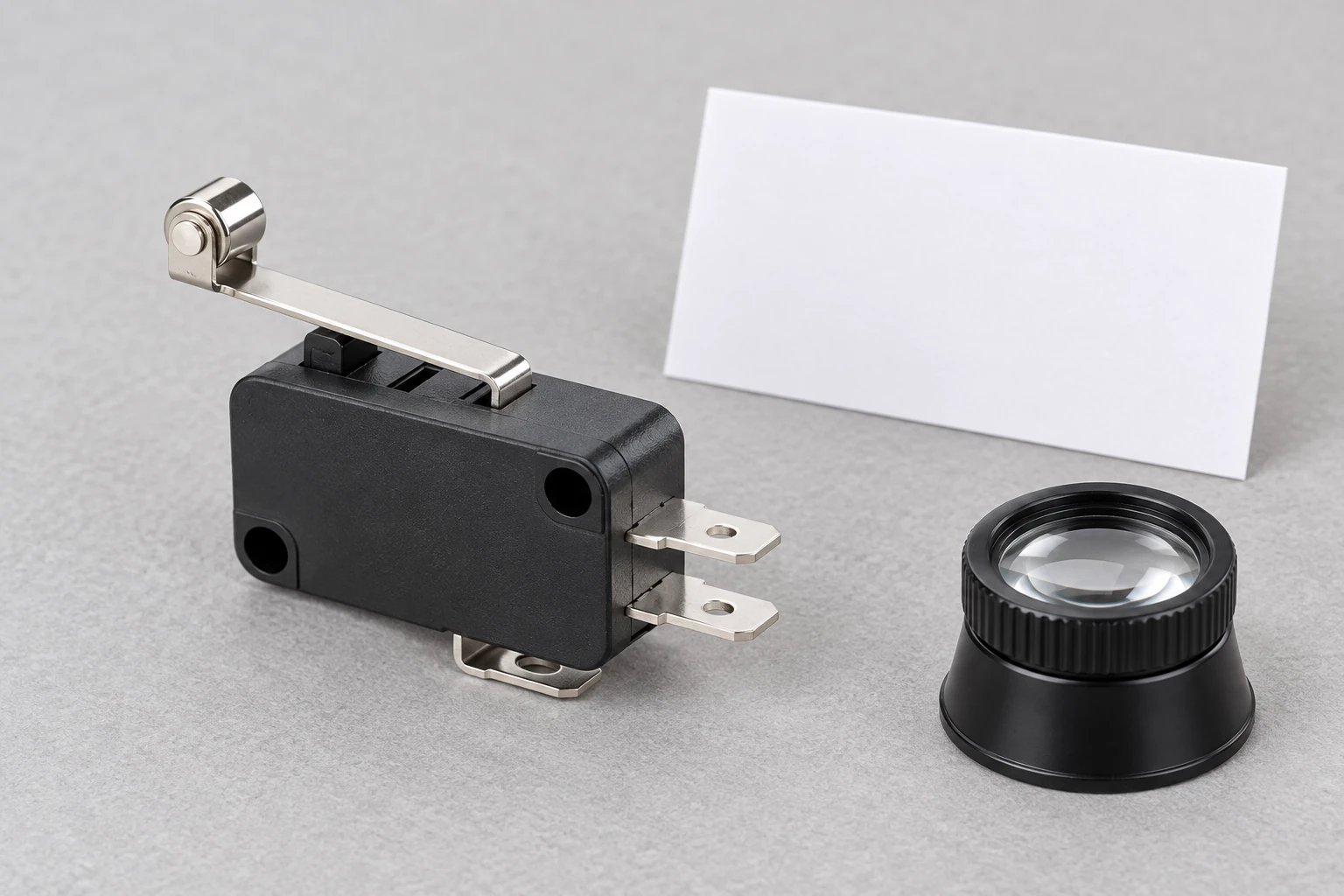
Read Listed and Recognized within their actual scope
UL’s component certification overview distinguishes recognition for incorporation into an end product from listing of complete products and equipment. Neither word should be used as a blanket purchasing shortcut. The relevant question is whether the identified approval covers the component and its intended use in the final assembly.
Avoid turning this distinction into a competition in which one mark is always better. A panel-mounted microswitch integrated inside a machine can raise different evaluation questions from a finished device intended for field installation. Ask the responsible certification engineer what evidence is required at the stage where the part will be installed. Then request that evidence specifically, instead of demanding a different mark merely because it is more familiar to the purchasing team.
Build a short evidence chain before approving a substitute
| Prüfungselement | Anzufordernde Beweismittel | Decision it supports |
|---|---|---|
| Exact identity | Full order code, drawing revision and supplier cross-reference | Connect the physical sample to the record being reviewed |
| Zertifizierungsumfang | Applicable category and model designation | Determine whether the supplied configuration is covered |
| Electrical use | Relevant rating and described load conditions | Compare the application with the evaluated component duty |
| Construction conditions | Applicable conditions of acceptability | Translate constraints into the equipment assembly record |
| Release control | Named reviewer, date and accepted configuration | Make repeat orders and substitution decisions reproducible |
This checklist is a document-review method, not an approval issued by LEMA or UL. Use it to make missing information visible. A record can be genuine and still be insufficient for the proposed configuration. Conversely, a cropped photograph that does not show a mark clearly should trigger an identity check, rather than an unsupported accusation that the product is counterfeit.
Review the latest available record through the certification body’s documented verification route or obtain clarification from the supplier and evaluator. Save the date, the model designation and the scope you reviewed. A link alone is fragile evidence when a database entry or a supplier document can later change. Retain an appropriate copy or controlled reference according to your organization’s document rules.
Connect electrical duty to the intended circuit
The circuit description must be useful to the person reviewing approval coverage. State whether the switch carries a control signal or switches a power load. Identify the supply type, the expected load behavior, the operating frequency and relevant transients. Do not replace that description with a single nominal current figure and assume it covers every use.
A change of contact material or terminal variant can also matter to the application even when a catalogue family looks unchanged. The approval review and the functional review should share the same exact part identity. If the manufacturer supplies separate rating codes, record the selected code and the supporting document. Do not use a rating from a nearby catalogue row to complete a missing field on a purchase form.
Keep construction conditions visible in the equipment file
Conditions attached to a component can concern features of the surrounding assembly. Ask the evaluator which enclosure, wiring, temperature or mounting assumptions need to be checked for the selected record. Translate applicable requirements into the equipment drawing or assembly instruction. An email that remains only in a buyer’s inbox is difficult for production or maintenance staff to follow.
Use a responsible owner for each unresolved question. For example, purchasing can obtain a document while engineering confirms whether the described terminal connection matches the drawing. Record the decision and its basis before closing the issue. If the condition is unclear, describe the uncertainty precisely; do not silently interpret an incomplete sentence as unrestricted permission.
Control samples without confusing them with certification evidence
A functional sample is valuable for checking fit, actuation and connection. It does not establish certification coverage by passing a bench test. Keep a sample approval record and a certification review record linked to the same ordered configuration. The micro switch sample approval guide explains how to organize the physical evaluation; this article adds the separate approval-scope decision.
Photograph identifying features before the sample is installed or modified. Label the sample internally so it cannot be mixed with an earlier revision during evaluation. If a supplier sends a different actuator or termination for convenience, document the difference and ask which conclusions remain transferable. A convenient demonstration part should not become an undocumented production substitute.
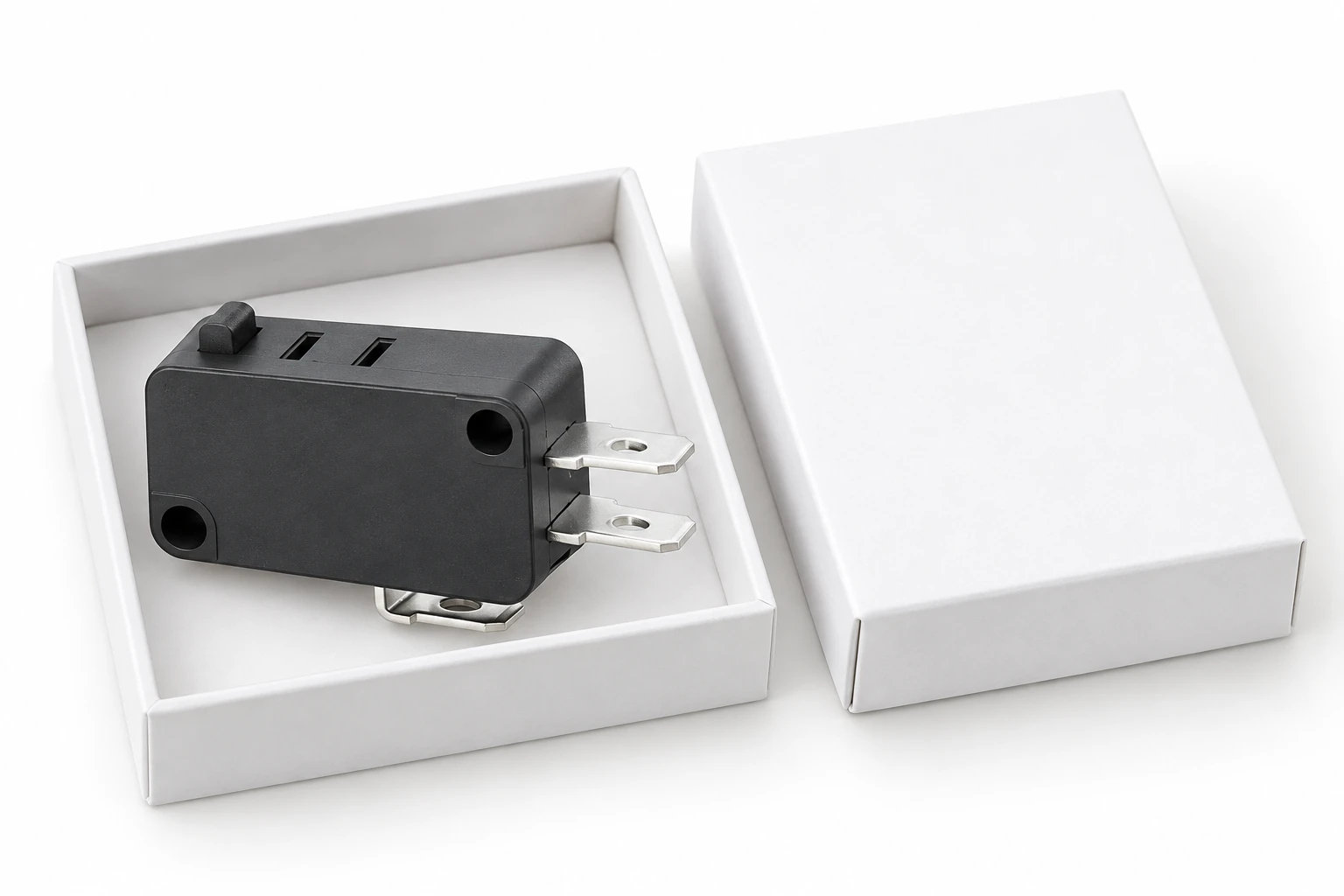
Review substitutions as changes to a defined configuration
A substitute that fits the mounting holes still needs its own review. Compare its full identity and evidence against the requirements recorded for the existing component. List what changes in the electrical interface, mechanical arrangement and approval conditions. This makes it possible to distinguish a genuine equivalent from a part that merely resembles the original.
Prepare the supplier request with the micro switch RFQ checklist. Ask for the proposed order code, controlled drawing and relevant approval references together. If a quotation lists several alternatives, mark which one engineering actually reviewed. Procurement should not be able to select another option from the same quotation without recognizing that the evaluation may differ.
Make the release decision usable for the next order
The final record should answer a practical question: can someone order the same accepted configuration again and know which evidence supports it? Store the selected part number, supplier identity, drawing revision, reviewed certification references and any application conditions in one controlled location. Include the name or role responsible for the release decision and unresolved limitations.
For repeat orders, check that the supplier confirmation still matches the approved configuration. Define what changes require notification or another review. A new production site, alternate material, terminal revision or changed rating description should be assessed on its actual significance rather than accepted solely because the family name remains familiar. Retain rejected alternatives separately so they are not mistaken for approved spare parts.
Further learning: the recognition program
The following UL Solutions video introduces its recognized-component program. It provides context for the approval category; it does not identify the certification status of the illustrated KW7 variant or approve the final equipment. Use the exact component documentation and the equipment evaluator’s decision for those questions.
UL Solutions: Earn Trust with the UL Solutions Recognized Component Certification Program
Watch Earn Trust with the UL Solutions Recognized Component Certification Program.
Häufig gestellte Fragen
Is a UL Recognized switch unsuitable for an OEM machine?
Recognition can be appropriate for a component incorporated into an evaluated end product. Check the exact part, its conditions of acceptability and the final equipment requirements with the responsible evaluator. The word Recognized alone does not decide suitability.
Does a family-level approval statement cover every variant?
Do not assume that it does. Ask for the applicable record and confirm how the complete order code maps to the covered construction, terminals, electrical duty and options. Keep that confirmation with the released drawing.
Can a working sample replace the certification review?
No. A sample can support fit and functional evaluation, but a bench result does not establish certification coverage. Link the physical sample approval and the approval-scope review to the same controlled part identity.
What should I request before accepting a replacement switch?
Request the complete proposed order code, drawing revision, relevant approval references and application conditions. Compare those records with the approved equipment configuration and obtain a documented engineering decision before releasing the replacement.