Dental Foot Switch Selection: A Checklist for Equipment OEMs
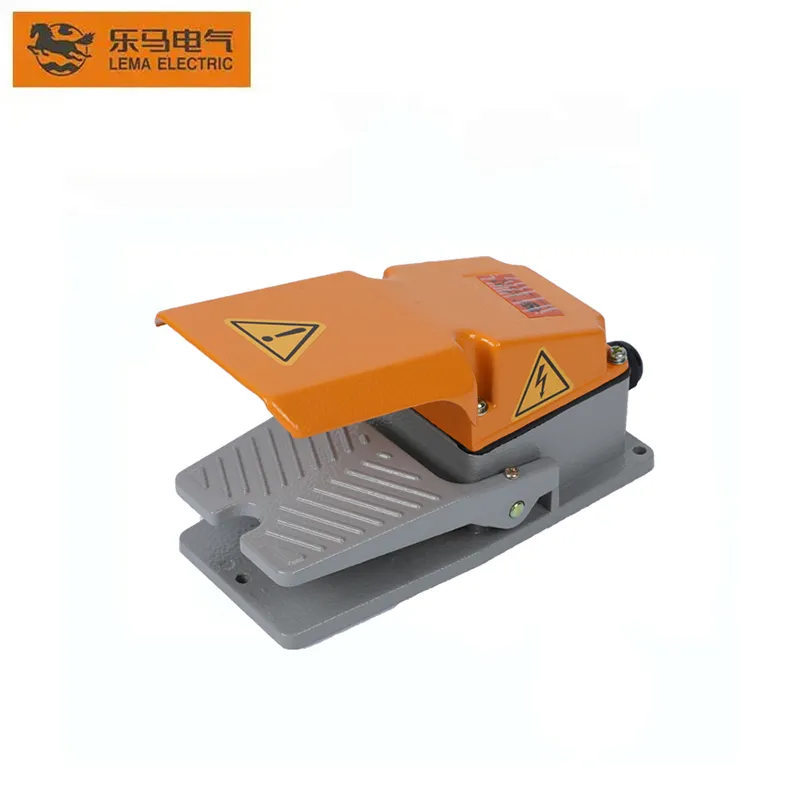
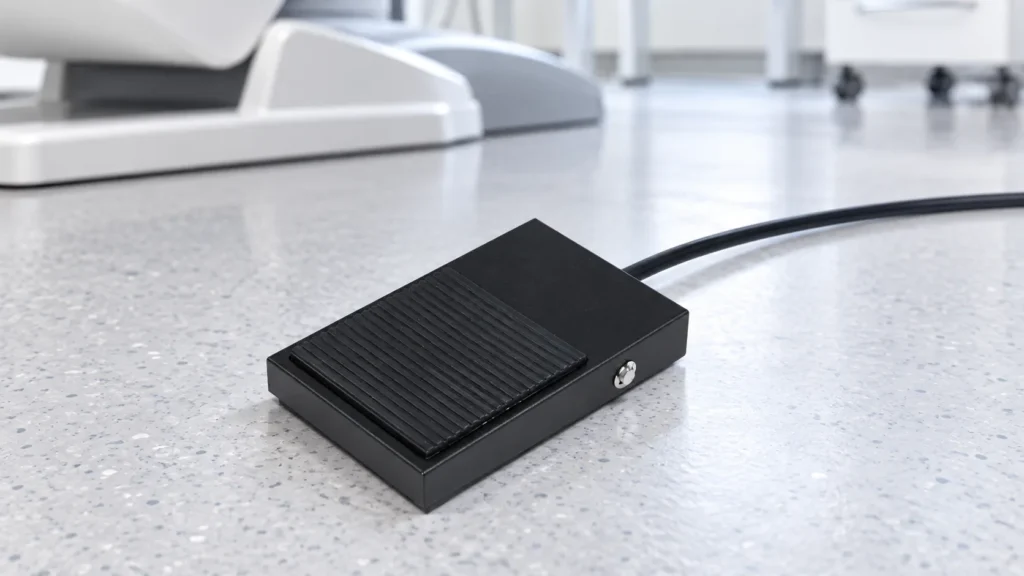
Dental Foot Switch Selection: A Checklist for Equipment OEMs This generated product image is based on the original LEMA LF-series pedal. It shows a product example, not a verified dental-chair installation or medical certification. A dental foot switch should be selected from the function and interface outward. First identify what the pedal must control—chair movement, an instrument, coolant, or another function—then confirm whether the unit expects a pneumatic signal, an electrical contact, a proportional input, or a combination. The pedal’s shape alone cannot establish compatibility. For an OEM or replacement project, confirm the exact circuit, operating state, connector, cable, mounting, environmental needs and system-level safety evidence before approving a sample. LEMA’s LF Series page lists medical apparatus among possible applications, but it does not identify a specific dental-unit model or establish medical-device certification for every LF variant. Start with the function, not the pedal appearance “Dental foot switch” can refer to several different devices. A pedal may start a handpiece, vary its speed, move a chair, select wet or dry operation, or command another accessory. Some units combine several functions in one control. These actions can use different electrical or pneumatic interfaces even when the pedals look similar. Write down each requested output separately. Record whether the action is hold-to-run or latched, whether the signal varies with pedal travel, and what the equipment should do when the operator releases the pedal, the cable is disconnected, or control power is restored. Do not assume that a single-contact on/off pedal can replace a proportional speed control or a multi-function chair controller. Distinguish pneumatic, electrical and hybrid controls Dental units can use air pressure, electrical contacts or a combination of signals. The control...
Leggi di più