
Electromechanical switch incoming inspection should connect each received lot to the approved part definition and a written acceptance procedure. Define the lot, select samples by the agreed plan, check identity and relevant performance, and record the disposition. A supplier certificate alone is not an executed inspection, while an accepted sample does not prove every unit is defect-free.
O Micro Interruptor da Série KW7 is the LEMA product reference illustrated here. Its photograph identifies the external product, not an unlisted rating, accessory compatibility or test result. Obtain the current specification for the full order code before approving an assembly.
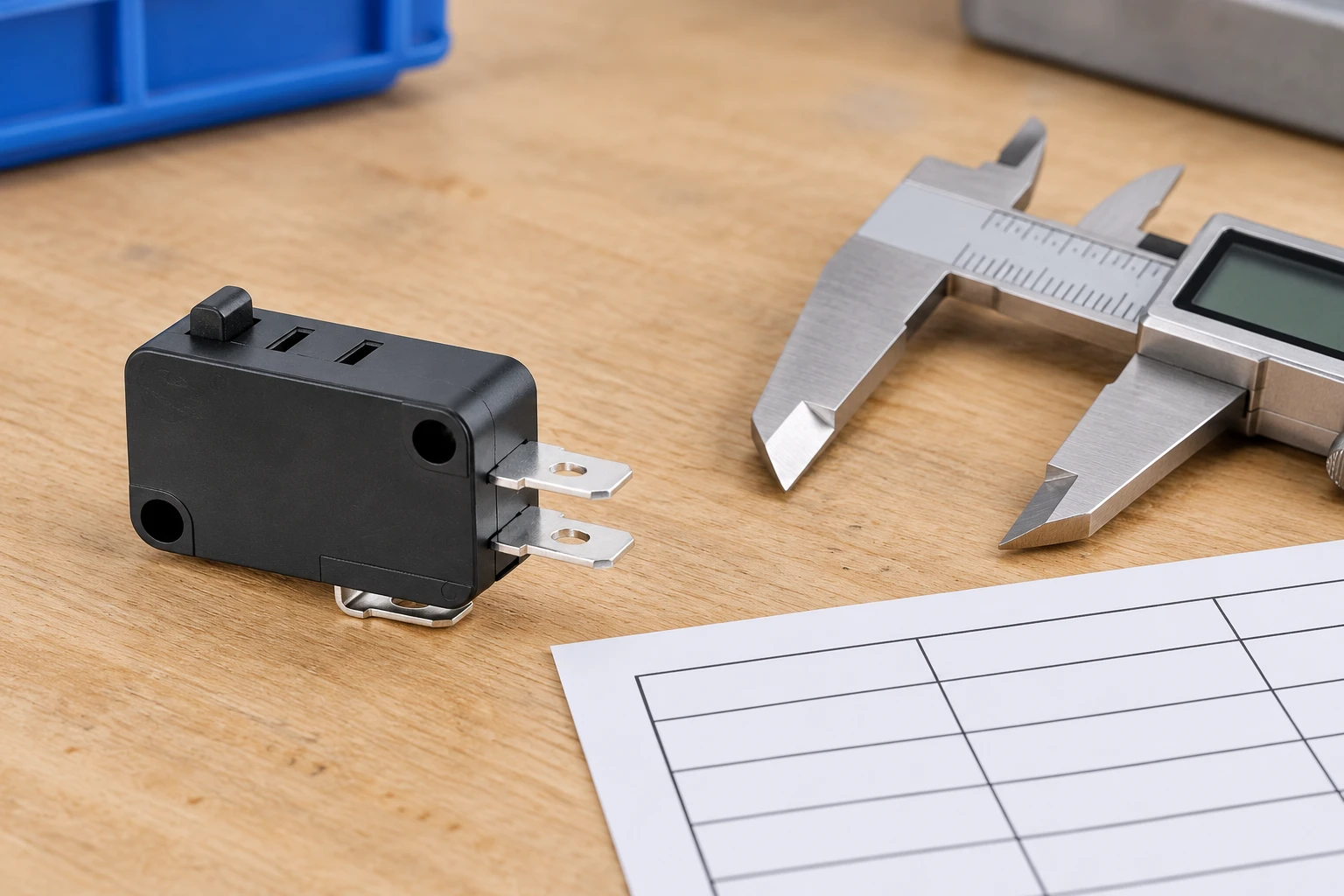
A lot needs a traceable boundary. Record the complete part code, supplier, purchase order, received quantity and available manufacturing or packaging identifiers. Do not combine different contact variants, terminal options or date-code groups merely because the cartons share a family name. If a shipment contains several identified lots, the receiving procedure should explain how each is represented in the inspection decision.
Keep the relationship between the physical material and the receiving record intact when cartons are opened. Repacking, kitting and production returns can remove that relationship unless the process preserves it. A receiving label should identify the material actually covered by the record. It should not imply that an uninspected additional shipment shares the same result.
Establish the approved part definition
Inspect against the agreed specification and drawing revision, rather than a photograph copied from an old quotation. The full code can identify a contact arrangement, terminal style, actuator or operating characteristic that is not obvious from the exterior. Include approved substitutions and their conditions in the controlled record so the inspector can distinguish a permitted option from an undocumented change.
Check the order, packing information, labels and relevant supplier documentation for agreement. A discrepancy is a specific unresolved question, even when a sample appears to work. Ask the responsible purchasing and engineering functions to resolve it before release. Receiving personnel should not have to infer equivalence from a familiar housing or a similar terminal count.
Select a representative sample by the agreed method
The sampling method should define how units are selected across the identified lot and what decision follows from the observations. Choosing the most accessible or cleanest specimens can introduce a bias. Define the method before opening packages, including how damaged packaging, mixed identities and inaccessible inner containers are handled. Record any departure from the approved selection procedure.
A sampling plan involves a decision about risk. It is different from a guarantee that every delivered unit conforms, and it is different from a study intended to estimate a process parameter precisely. Obtain the agreed plan from the responsible quality function. Do not substitute a convenient percentage, a familiar acronym or an arbitrary acceptance number without the relevant agreement and technical basis.
Check packaging and the as-received condition
Examine the protection around the actual switches as well as the outside carton. Look for displaced units, crushed pockets, terminal contact with packing material, unintended actuator loading and evidence of contamination or moisture. Photograph significant observations before cleaning or repacking changes the evidence. Distinguish package damage from demonstrated component damage, and record both accurately.
Do not treat a clean exterior as proof of a complete storage history. Where the history or protection is unclear, record the uncertainty and obtain the appropriate disposition. Drying, cleaning or exercising samples before the initial examination can change what later testing establishes. Any preparation required by a test method should be documented as part of the sample history.
Separate dimensional, mechanical and electrical questions
A dimensional check can confirm a defined mounting feature or terminal position. It does not prove a contact rating or an internal construction detail. Identify the drawing datum, instrument and relevant feature, and account for the measurement method. Avoid recording nominal dimensions without the associated tolerance and requirement that make the observation meaningful.
A mechanical check can examine actuator return, permitted motion and obvious damage under its specified method. It should not introduce an uncontrolled overload. A switch that clicks is not necessarily electrically correct. Equally, a switch with the correct static contact states may still have the wrong actuator or terminal variant. Keep these observations separate rather than reducing every inspection to a general working/not-working judgement.
An isolated contact-state check answers a limited electrical question. The test fixture, terminal identity and sample condition must be known. Insulation, loaded operation, endurance and low-level signal performance require their own applicable methods and evidence when they belong in the acceptance plan. Do not improvise a live-load demonstration at a receiving desk to compensate for missing documentation.
Make inspection records useful to the next decision
| Check area | Record to retain | Unresolved condition |
|---|---|---|
| Lot identity | Part code, order, quantity and lot identifiers | Mixed or unreadable identity |
| Document match | Approved specification and revision | Unapproved substitution or missing basis |
| Physical condition | Sample selection and as-received photographs | Damage, exposure or uncertain preparation |
| Dimensional checks | Feature, method, requirement and observation | A result without a valid acceptance criterion |
| Functional checks | Fixture, circuit boundary and sample observations | Wrong contact state or inconsistent response |
| Disposition | Decision, responsible function and material covered | Stock released without a recorded resolution |
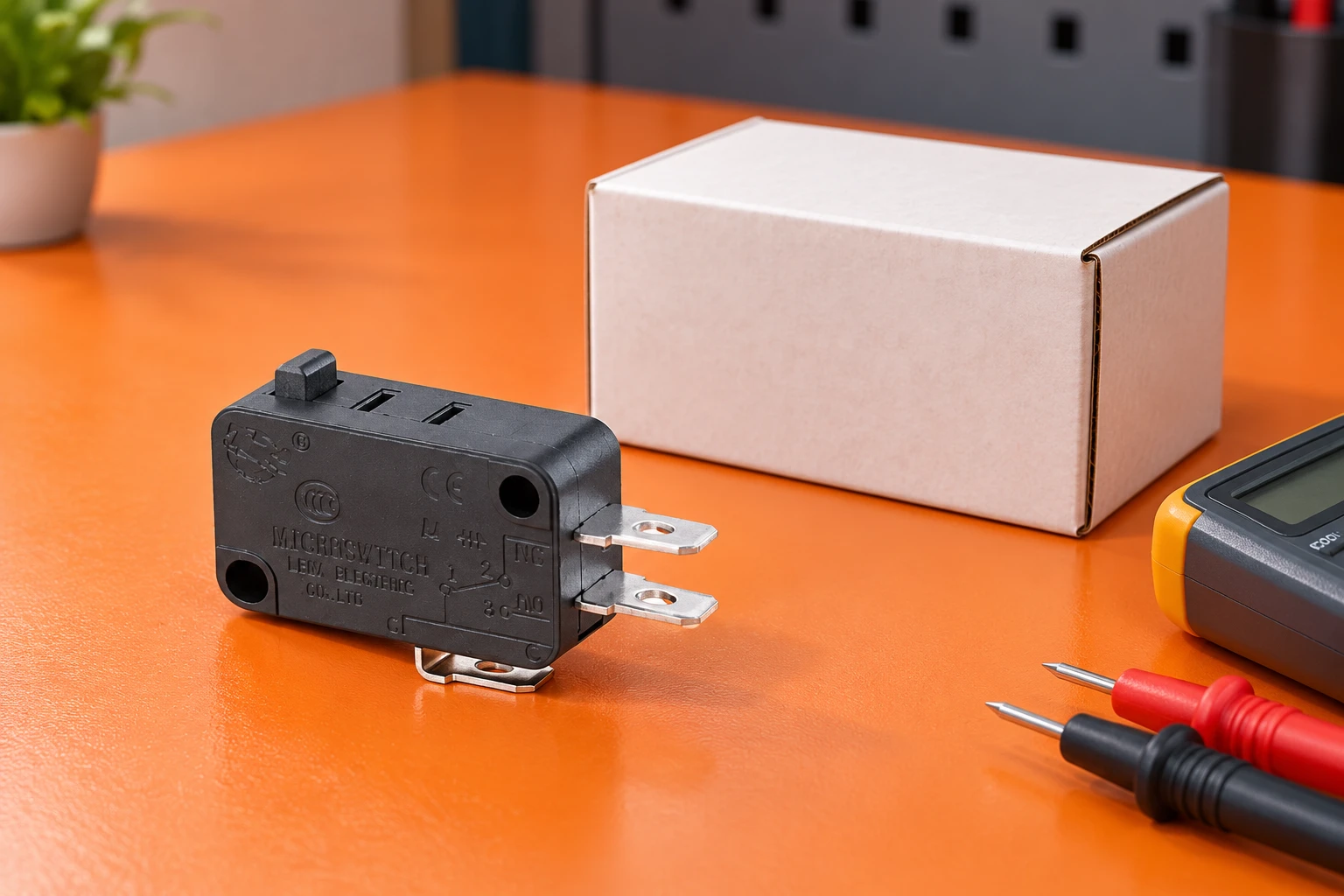
This qualitative checklist does not prescribe sample quantities, acceptance limits or a product certification. Those belong to the applicable agreement and controlled inspection procedure. A complete record should allow another reviewer to understand which requirement was examined and what the inspector actually observed.
Classify findings before deciding what they mean
Use the defect classifications defined for the product and application. Do not assume that a cosmetic observation, a missing label and an incorrect contact arrangement have equivalent consequences. Record the observed condition separately from the judgement about its severity. That separation helps the responsible function assess the evidence without losing the original description.
Keep repeated observations traceable to individual sample identities. An intermittent result should not disappear because the same unit passes after another operation. Record the sequence and any retest preparation. If the procedure permits a retest, identify the rule and preserve the initial result. A final pass should not erase an unexplained failure.
Preserve the inspection process through production changes
Review whether the method still applies when the supplier, component revision, termination, actuator or assembly process changes. An inspection fixture designed around an earlier variant may produce a convincing result while bypassing the feature that changed. Maintain fixture identification and relevant verification records alongside the inspection instruction.
Receiving data can reveal recurring issues that deserve a supplier or process investigation. Use the records to identify the affected lots, conditions and defect types rather than attributing every problem to the whole product family. Keep corrective actions tied to their evidence and verify the agreed action on subsequent material when required. This makes incoming inspection part of a controlled purchasing and production process.
Record the lot decision and preserve quarantine
Record what was received, how the lot was defined, who selected the samples, the approved method, actual observations and the disposition. Keep failing and untested material identified so a production shortage does not silently override a hold. A sampling plan must address its stated risks and defect classifications. Do not create a sample size or acceptable-quality limit from a convenient percentage or the number of items that happen to fit the fixture.
Escalate mismatched order codes, unclear lot identity and unsupported substitutions before interpreting a functional result as acceptance. A switch can pass a basic contact check and still be the wrong variant. Supplier corrective action should address the identified issue with traceable evidence. Reinspect or requalify according to the agreed disposition, and keep original observations visible instead of replacing them with an unexplained final pass.
Technical references and the scope of this review
NIST introduction to acceptance sampling: NIST describes acceptance sampling as a lot-decision approach. Sampling is not the same as inspecting every item or proving that no defect exists.
HSE electrical testing guidance: Inspection fixtures and electrical checks require a suitable controlled procedure. Do not expose receiving personnel to an improvised live-load test.
For the wider component decision, see Fabricante de Microinterruptores da China: Guia de Aquisição OEM para Compradores dos EUA. Complementary checks are covered in Como testar um micro switch com um multímetro e Micro Switch Failure Modes: Evidence and Root-Cause Checks. These pages address separate questions and do not replace the acceptance evidence defined here.
Further learning
This university lesson explains acceptance sampling. It supports the distinction between a sample result and a lot decision without assigning a sampling plan to these products.
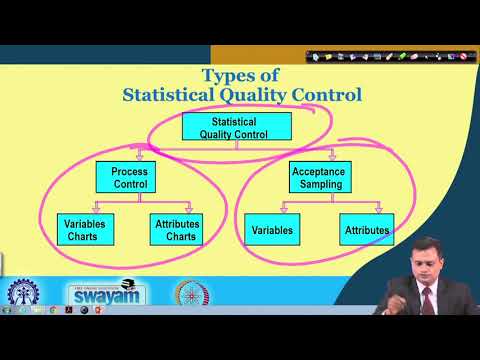
Watch Lecture 54: Acceptance Sampling: Key Concepts — NPTEL IIT Kharagpur
Perguntas frequentes
Does an accepted sample prove every unit is defect-free?
No. Sampling supports a lot decision under a defined plan and its stated risks.
Can a supplier certificate replace receiving checks?
Follow the agreed acceptance procedure. A certificate is documentation, not proof that the receiving inspection was executed.
Can a working switch still be the wrong received part?
Yes. Identity, variant and document checks remain necessary alongside functional checks.
What should happen to unresolved material?
Keep it identified and controlled until the responsible function records an appropriate disposition.