
IP68 is a negotiated promise, not a fixed depth. The second digit 8 means continuous immersion under conditions the manufacturer and user agree, which makes your written envelope — depth, duration, chemistry, temperature — the real specification. Write it before comparing parts.
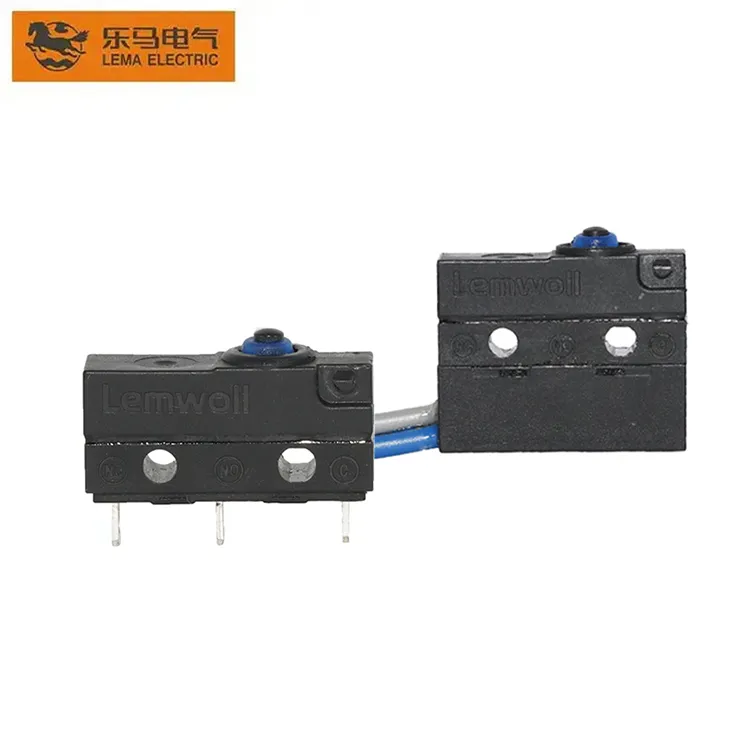
Part 1. What does IP68 promise beyond IP67?
The first digit covers solids and the second covers water, and the jump from 7 to 8 changes the question. IPX7 describes temporary immersion under defined test conditions, while IPX8 hands the conditions to an agreement between maker and user.
| Class | Water condition | Practical reading |
|---|---|---|
| IPX5 / IPX6 | Jets and heavy seas | Washdown spray without immersion |
| IPX7 | Temporary immersion | Defined depth and time test |
| IPX8 | Continuous immersion | Conditions agreed per application |
Sealed families in the LEMA Micro Switch product line state their construction approach; the envelope you write decides which applies.
Part 2. How should the immersion envelope be written?
Envelope writing means numbers: maximum depth, longest continuous immersion, total immersed hours per year, and whether the switch operates while submerged or only survives submersion. Each of those changes the sealing design.
General sealing principles behind these choices are collected in the waterproof switch principles overview.
Part 3. Which entry points break sealed designs?
Water finds the interfaces, not the housing walls. The three recurring leak paths are the cable exit, the actuator penetration, and the mounting face.
- Specify the cable exit as a sealed system, including the jacket material and bend protection.
- Treat the actuator boot or diaphragm as a wear part with a defined motion budget.
- Control the mounting face with gasket compression, not sealant hope.
- Check connector class separately; an IP68 body with an IP54 connector is an IP54 assembly.
Factory-sealed lead assemblies remove the field-made joint entirely; the IP67 cable harness selection method extends directly to IP68 leads.
Part 4. How do washdown chemistry and temperature interact?
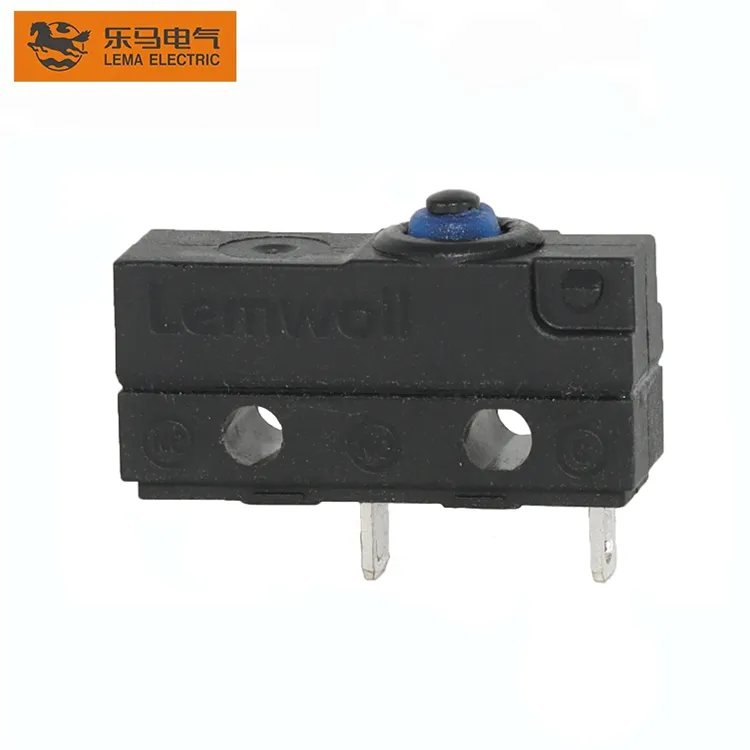
Washdown adds pressure, heat, and chemistry to plain immersion. Detergents and sanitizers attack elastomers slowly, and a hot cycle followed by cold rinse pumps air and moisture across any marginal seal.
| Exposure | Seal stress | Envelope entry |
|---|---|---|
| High-pressure rinse | Jet force on boots and gaskets | Pressure, distance, and nozzle angle |
| Cleaning chemistry | Elastomer swelling or hardening | Agent list with concentrations |
| Thermal cycling | Breathing across seals | Temperature range and cycle count |
Part 5. Which validation steps prove the envelope?
Validation follows the envelope line by line: immerse to the written depth and duration, wash at the written pressure and chemistry, and cycle the actuator through its full motion while sealed samples are wet.
Test production-intent assemblies with their real cable, connector, and bracket. A bare switch passing a beaker test proves little about the installed system.
Part 6. What belongs in the RFQ and Fit Boundary?
RFQ input checklist
- Immersion depth, duration, and operating-while-submerged status
- Washdown pressure, chemistry, and frequency
- Temperature range, cycling, and mounting orientation
- Cable exit, connector class, and actuator motion budget
- Volume and sample timing
Fit Boundary
This guide defines and tests a sealing envelope. It does not certify a depth-duration result, an outdoor life, or a chemical compatibility list for any specific model.
Part 7. How can LEMA support an IP68 inquiry?
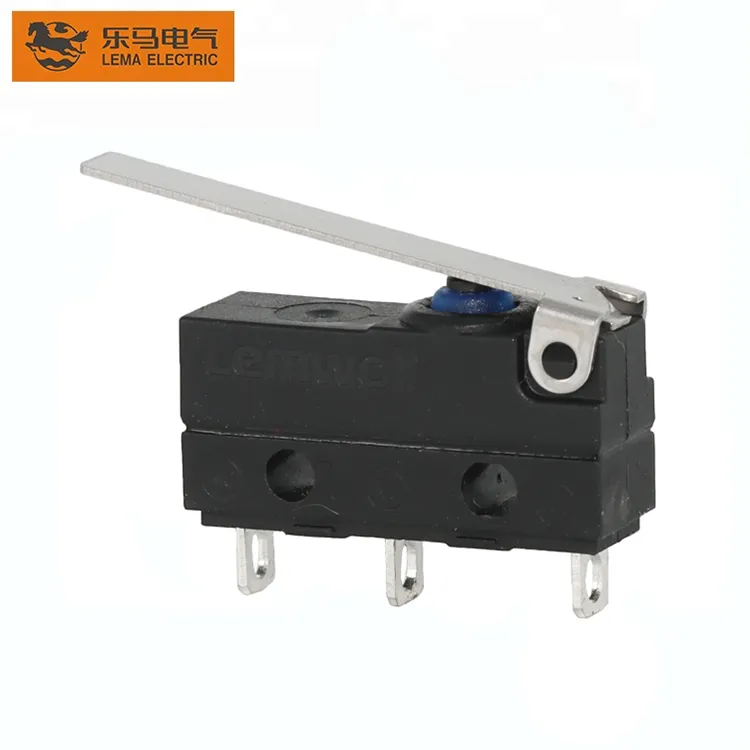
Bring the written envelope to a sealed family review. The KW12F series waterproof micro switch page is a public LEMA route for that discussion.
Product recommendation: request a construction review against the envelope document, then sample with the production cable and bracket. Comparing IP labels without an envelope is the common failure path.
Send an OEM switch RFQ with the envelope attached.
FAQs
What is the difference between IP67 and IP68?
IPX7 covers temporary immersion under a defined test; IPX8 covers continuous immersion under conditions agreed between manufacturer and user, so the application envelope defines it.
Does IP68 mean the switch works underwater?
Not necessarily. Surviving immersion and operating while submerged are different requirements, and the envelope must state which one applies.
Where do sealed switches usually leak?
At interfaces: cable exits, actuator boots, mounting faces, and connectors, rather than through the housing body.
Do cleaning chemicals affect an IP rating?
Ingress classes cover water, not chemistry; detergents and sanitizers can degrade elastomers, so the agent list needs its own review.
Can I combine an IP68 switch with any connector?
No. The assembly takes the lowest class in the chain, so the connector and cable system must match the target envelope.
What should an IP68 RFQ define?
Define depth, duration, washdown pressure and chemistry, temperature cycling, entry points, actuator motion, mounting, volume, and sample timing.