
SW10 Series Mini Micro Switch decisions begin with the installed mechanism, not a catalogue label. Define the actuator path, circuit duty, environment, mounting, and validation target before requesting a final model review. Similar-looking parts can have different operating windows, terminals, and documented limits.
Part 1. Define the position-feedback job
Describe the state that must change, the moving feature that creates it, and the consequence of a late, early, or missing signal. This keeps a mechanical position question separate from assumptions about a particular series.
| Decision field | Input to document | Why it matters |
|---|---|---|
| Function | Free and operated states | Prevents reversed control logic |
| Mechanism | Travel, force, and side load | Controls repeatable actuation |
| Circuit | Voltage, current, load, and inrush | Frames contact review |
| Environment | Contamination, vibration, service access | Frames validation |
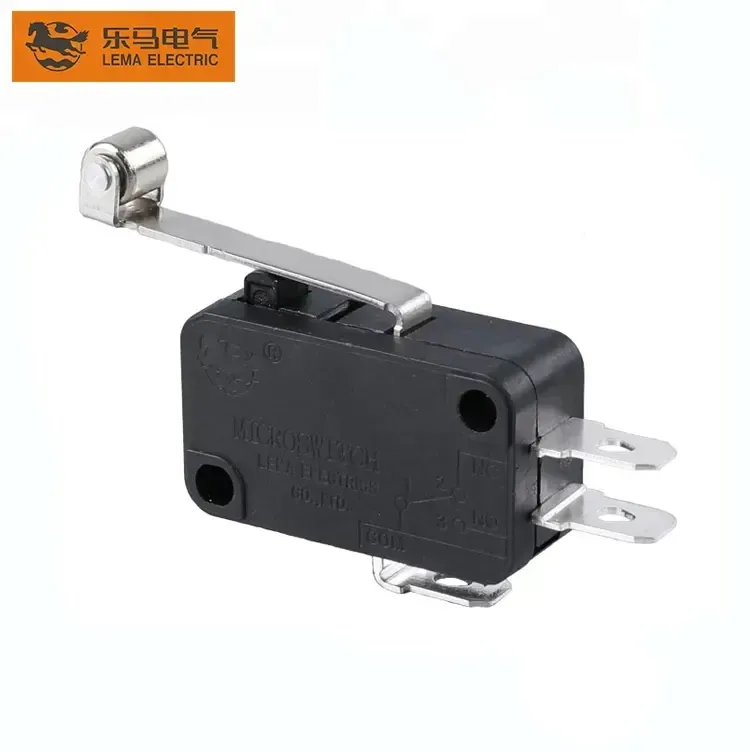
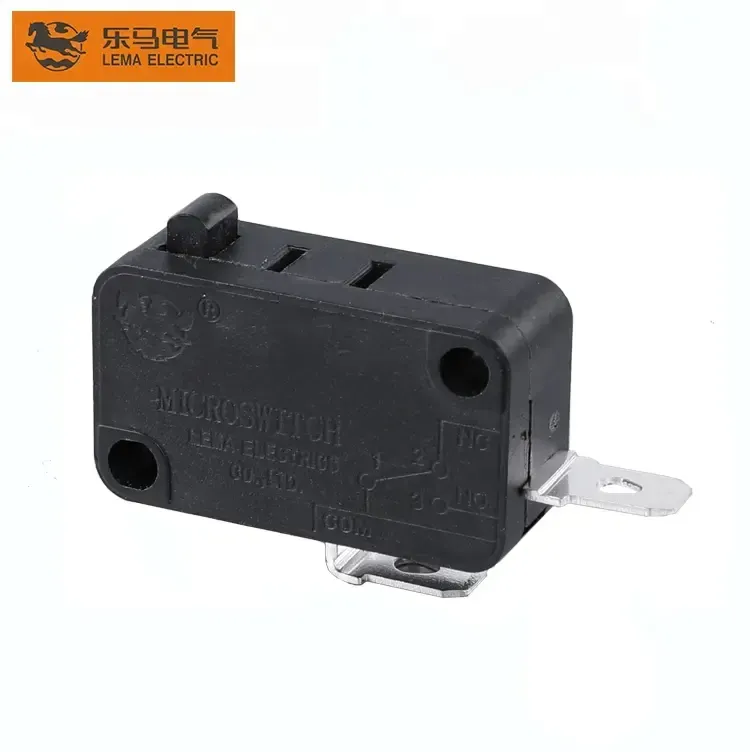
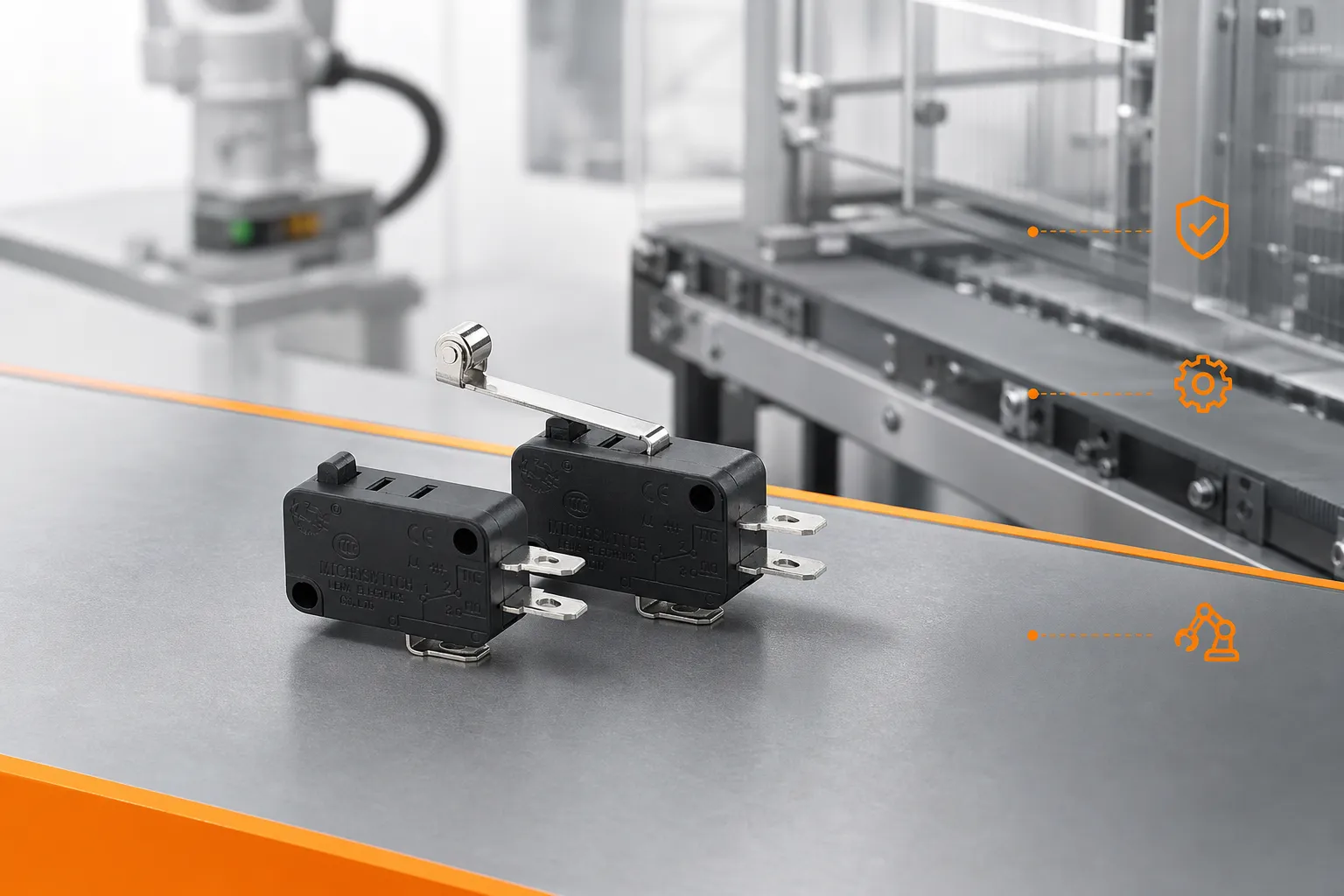
The supplied photographs show micro switches for visual context; they are not represented as SW10 products.
Part 2. Map travel and mounting
Put free position, operating position, release, maximum travel, and bracket tolerances on one drawing. The same drawing should identify the approach direction and any side load transferred by a cam, button, linkage, magnet, or stop.
Use the industrial micro switch selection guide when the mechanical interface also needs a broader panel review.
Part 3. Set the environmental boundary
Translate site conditions into exposure inputs: dust, splash, cleaning method, temperature variation, vibration, cable movement, and access for service. A surrounding enclosure does not establish the capability of every component interface inside it.
Record the target exposure and the test method rather than inferring a result from a product family name.
Part 4. Document circuit duty
Contact suitability depends on the actual circuit. Capture voltage, current, load type, inrush, switching frequency, and controller input behavior, then compare them with the selected model documentation.
| Validation check | Question | Risk if missed |
|---|---|---|
| Actuation | Does every tolerance stack reach the window? | Missed signal |
| Load | Is electrical duty documented? | Contact degradation |
| Mounting | Is side load controlled? | Operating-point drift |
| Harness | Are terminals protected from pull and abrasion? | Installation failure |
Part 5. Plan validation and fit
Validate production-intent brackets, moving parts, harnesses, and control inputs at nominal and tolerance-extreme conditions. Revisit the plan when the mating part, route, controller, or environment changes.
Fit Boundary
This article supports an OEM selection plan. It does not certify an application, establish a safety function, or prove a model-specific rating, ingress result, or service life.
Part 6. Route a documented inquiry
Use the LEMA Micro Switch product line as a public starting point for a product inquiry. Provide the mechanism, circuit, environment, and validation inputs so the requested model information can be checked against the application.
Product recommendation: request a documented LEMA review after the RFQ fields are complete. Do not choose a part from a generic label, supplied image, or assumed rating.
Send an OEM switch RFQ with the drawing, duty, validation target, volume, and sample timing.
FAQs
Is the pictured micro switch an SW10 model?
Treat illustrative photographs as visual context only unless the exact model marking and documentation are confirmed for that sample.
What should be confirmed for an SW10 series inquiry?
Confirm actuator style, terminals, ratings, sealing claim, mounting envelope, and the application travel and load package before approving a sample.
How do circuit load and inrush affect a mini switch choice?
Small housings still need full voltage, current, load type, and inrush records; a compact body does not raise the documented electrical limit.
Why is actuator travel important on a subminiature switch?
Short plungers and levers leave little margin, so free, operate, release, and overtravel must be controlled on the mechanism drawing.
Can a generic series name confirm an ingress rating?
No. Ingress and sealing results belong to the selected model documentation and the complete harness or enclosure design.
Which files should accompany an SW10 RFQ?
Attach the mechanism drawing, circuit duty, actuator preference, environment, validation target, volume, and sample timing.