
Industrial Micro Switch selection starts with the installed duty, not a broad catalog label. Define the mechanism, circuit, environment, mounting, and validation target before approving a sample. A component can look similar while carrying different terminal, travel, contact, or test limits.
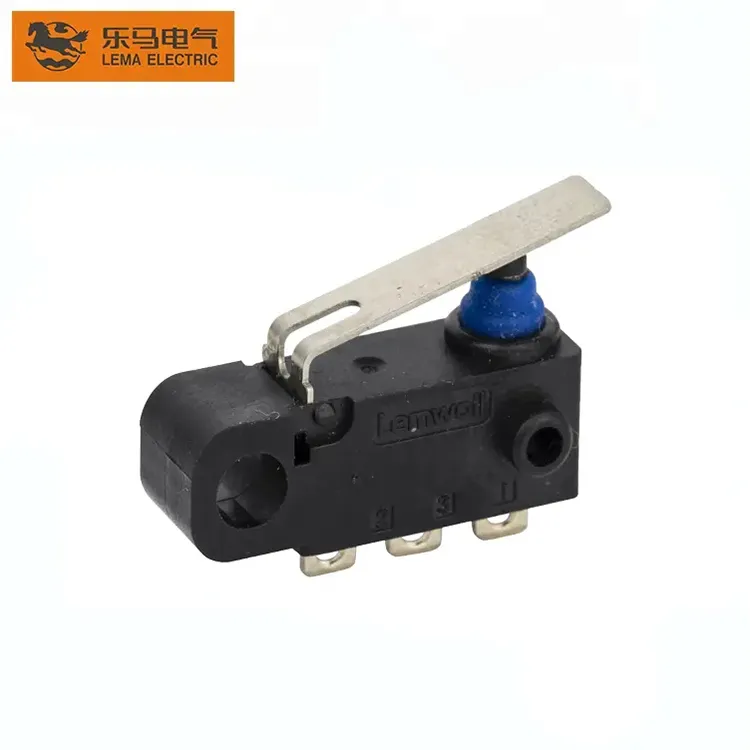
Part 1. What makes a micro switch industrial?
The useful definition is functional: the selected switch must repeat the intended state change in the real mechanism and circuit. Start with the application drawing, then compare the actual model documentation rather than relying on an application name alone.
| Selection field | Input to document | Why it matters |
|---|---|---|
| Function | Free and operated state | Prevents incorrect circuit behavior |
| Mechanism | Travel, force, and side load | Controls reliable actuation |
| Circuit | Voltage, current, load, inrush | Controls contact suitability |
| Environment | Contamination, vibration, temperature, ingress | Defines validation conditions |
Use the LEMA Micro Switch product line for category routing, then confirm the final option from the model information.
Part 2. Which actuator and mounting inputs matter?
Document where the moving feature meets the actuator and how the bracket controls travel. The drawing should show free position, operating position, release, maximum travel, and clearance to adjacent parts.
Where a remote cam or linkage needs extra reach, review the long-arm mechanical actuation approach before selecting a lever arrangement.
Part 3. How should ingress and enclosure exposure be defined?
Translate the application environment into concrete exposure inputs: dust, splash, cleaning method, vibration, temperature, service access, and cable movement. An enclosure claim does not automatically establish the rating of the complete actuator or harness assembly.
For a factory cable joint and ingress-rated harness question, follow the IP67 cable harness selection method.
Part 4. How do circuit load and cycle demands affect selection?
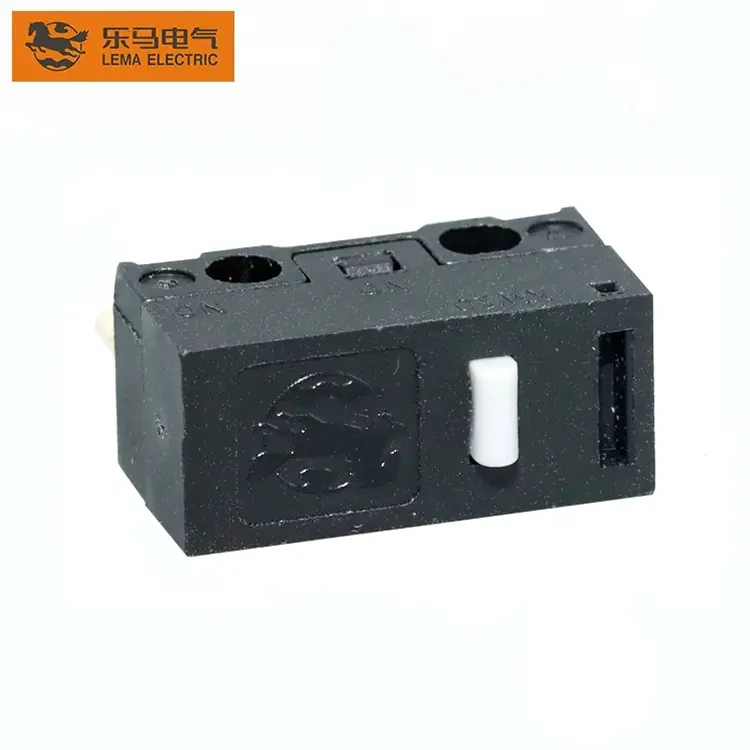
Contact load is more than a nominal current number. Confirm voltage, load type, inrush, switching frequency, and controller interface against the selected model documentation. Mechanical cycling and electrical switching should be included together in the application plan.
| Validation check | Question | Risk if missed |
|---|---|---|
| Actuation | Does every tolerance stack reach the operating window? | Missed or false signals |
| Load | Is the electrical duty documented? | Contact degradation |
| Mounting | Is side load controlled? | Operating-point drift |
| Harness | Is the terminal protected from pull and abrasion? | Early installation failure |
Part 5. Which panel installation checks prevent early failures?
Validate with production-intent brackets, actuators, harnesses, and control inputs. Test nominal and tolerance-extreme assemblies, then document what requires revalidation when a component, wire route, or mating part changes.
- Check free, operating, and release states.
- Inspect for side load and overtravel.
- Cycle the actual load and mechanism.
- Review vibration, contamination, and service-access effects.
Part 6. What belongs in the RFQ and Fit Boundary?
RFQ input checklist
- Function and required contact state
- Load, inrush, voltage, current, and controller input
- Actuator path, mounting drawing, and terminal or harness plan
- Environment, target validation, volume, and sample timing
Fit Boundary
This guide supports an OEM selection plan. It does not certify an application, establish a safety function, or prove a model-specific rating or life result.
Part 7. How can LEMA support an industrial inquiry?
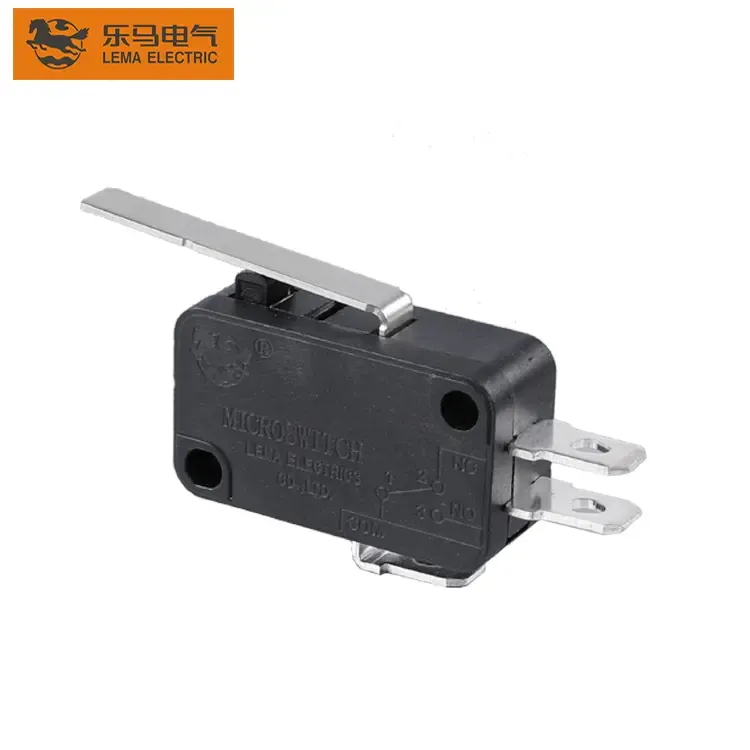
Use the KW12 series micro switch as a public starting point for an OEM component inquiry. Supply the actual mechanism, circuit, and environmental inputs for model review.
Product recommendation: request a LEMA review after the RFQ fields are complete. Do not select a part solely from a generic industrial or long-life label.
Send an OEM switch RFQ with the application package.
FAQs
What is an industrial micro switch?
It is a snap-action component selected for a defined machine or panel interface; final suitability depends on the model documentation and installed conditions.
How do I choose an actuator type?
Start with the moving part’s travel direction, force, side-load risk, and allowable overtravel, then compare those inputs with the model drawing.
Does an industrial enclosure make any switch waterproof?
No. The enclosure, actuator interface, cable exit, and component must be evaluated together against the required ingress target.
How should contact load be checked?
Use the actual voltage, current, load type, inrush, and switching frequency against the selected model documentation.
What causes early panel switch failure?
Common causes include side load, uncontrolled overtravel, poor wire routing, contamination, vibration, and using a contact outside its intended duty.
What should be included in an industrial micro switch RFQ?
Provide mechanism travel, mounting drawing, contact state, load, environment, ingress target, cycle expectation, volume, and sample timing.