
A 15A 250V label is a selection input, not a complete application decision. Put the actual voltage, load type, inrush, operation rate, terminal process and mounting context into the duty file before an OEM approves a sample.
Important: do not transfer a headline rating, ingress result, approval or life claim from another product to a LEMA model. Selected-model documentation controls the final boundary. Source note: IEC 61058-1 publication scope and selected-model documentation.
– FAQ

Part 1. What does a 15A 250V label establish—and what does it not?
The label identifies a stated rating context that must be read with the product documentation. It does not tell an OEM whether the actual load is resistive, inductive, lamp-related or otherwise subject to different make and break conditions. Start the review with the real duty, then compare it with the selected-model documents.
| Decision field | Record in the package | Send with quote |
|---|---|---|
| Supply | Voltage class and circuit arrangement | Yes |
| Load | Resistive, inductive, lamp or other documented type | Yes |
| Events | Inrush, operation rate and abnormal states | Yes |
| Build | Terminals, cutout, enclosure and access | Yes |
Use the LEMA Toggle Switch product line only after the duty inputs are defined.
Part 2. Which voltage and load inputs belong in the RFQ?
State nominal supply, acceptable variation, circuit form, load type, steady current and switching purpose. The review should also identify whether the circuit is isolated, paired with another pole, or affected by a control scheme. Avoid shorthand such as “same as last panel” when the load or enclosure has changed.
For two paths that must move together, the DPDT documentation guide helps record each pole separately.
Part 3. Why do inrush and operation rate change the review?
Average current does not describe every switching event. Record expected make conditions, operation frequency, stall or abnormal conditions, and any temperature context that changes the application. These fields allow the supplier and OEM to ask for the applicable model evidence instead of treating a headline value as a universal promise.
The heavy-duty load and terminal review is a related workflow for organizing those duty inputs.
Part 4. Which terminal and mounting checks belong beside the duty file?
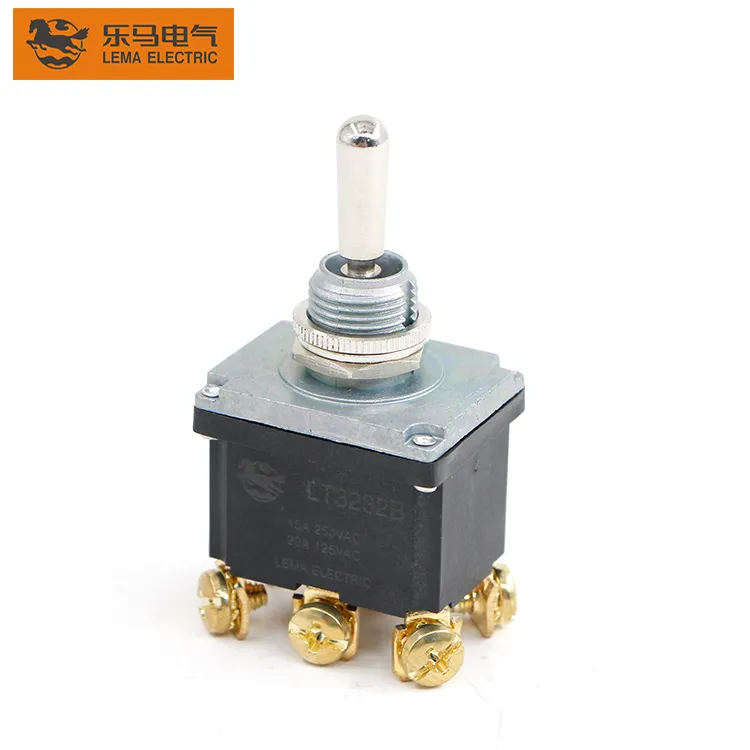
Keep terminal method, conductor route, panel cutout, rear clearance and service access beside the duty file. A contact review is incomplete if the harness cannot be assembled, inspected or serviced in the intended panel. Do not infer terminal capacity from a photo or a similarly shaped component.
- Identify terminal style on the controlled drawing.
- Show conductor routing and rear access.
- Record panel thickness and hardware stack.
- Use the panel-mount guide for the separate cutout and clearance review.
Part 5. How should model documentation control the final decision?
Request the documentation that applies to the selected model and compare it to the actual duty file. This is where rating conditions, approvals, environmental limits and other boundaries must be checked. A product family route can start the conversation, but it cannot substitute for the applicable evidence.
Part 6. What should be validated before OEM release?
Build a production-intent circuit and panel, verify contact behavior against the documented application, confirm terminal and mounting access, and record the reviewed model evidence with the sample decision. Escalate any mismatch between actual load conditions and the available documents before release.
Fit Boundary: this guide structures a duty-verification workflow. It does not certify any LEMA model for 15A, 250V, inrush, ingress, approval or life.
Part 7. How can LEMA support a duty-verification inquiry?
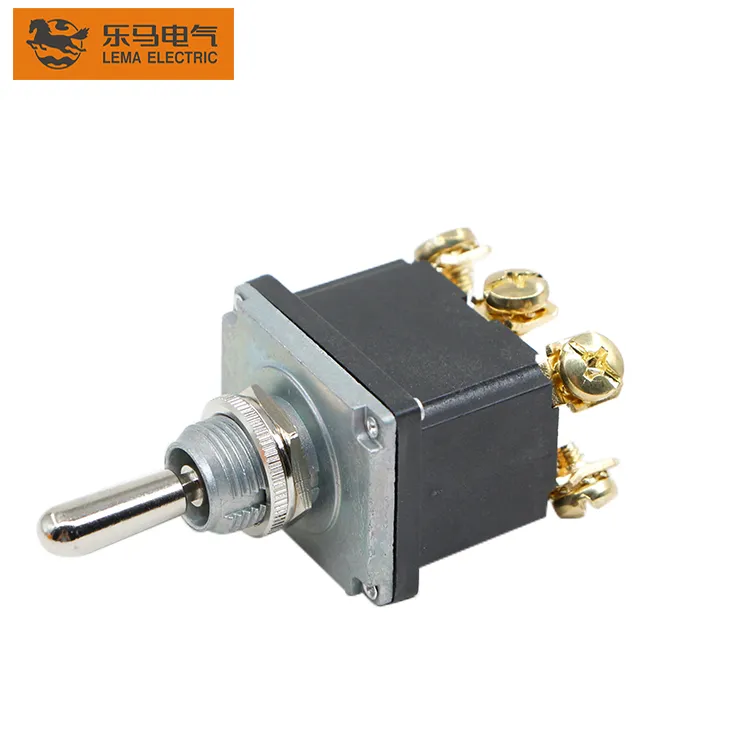
Use the LT1 series toggle switch page as a public starting point once the duty and mounting files are ready.
Send with the inquiry:
- Supply, circuit form and load description
- Steady current, inrush and operation rate
- Terminal, harness, cutout and enclosure notes
- Environment, volume, sample timing and requested documentation
Send a toggle-switch RFQ with the complete duty file.
## FAQ
Does a 15A 250V label prove any load is suitable?
No. The actual load type, inrush, operation conditions and selected-model documentation must be reviewed.
Which load details belong in the RFQ?
Include voltage, load type, steady current, inrush, operation rate, circuit form and abnormal conditions.
Why must inrush be documented?
Inrush can make a switching event different from the average current shown in a simple load summary.
Do terminals affect a rating review?
Yes. Terminal method, conductor routing and access must be reviewed with the circuit and mounting package.
Can a similar product rating be transferred to a LEMA model?
No. Use documentation for the selected model rather than assuming similar appearance proves the same boundary.
What should be validated before release?
Validate the production-intent circuit, terminal and panel assembly, actual duty inputs, and the selected-model evidence.
## References