
“Heavy duty” is a duty description, not a substitute for a printed current rating. Capture voltage, load type, and inrush first, then compare those notes to selected-model documentation. Brochure adjectives alone do not clear a panel release.
Important: Never transfer a catalog amp claim onto a LEMA model without the quoted datasheet. Keep rating language tied to selected-model documentation. Source note: IEC 61058-1 publication scope and selected-model documentation.
– FAQs
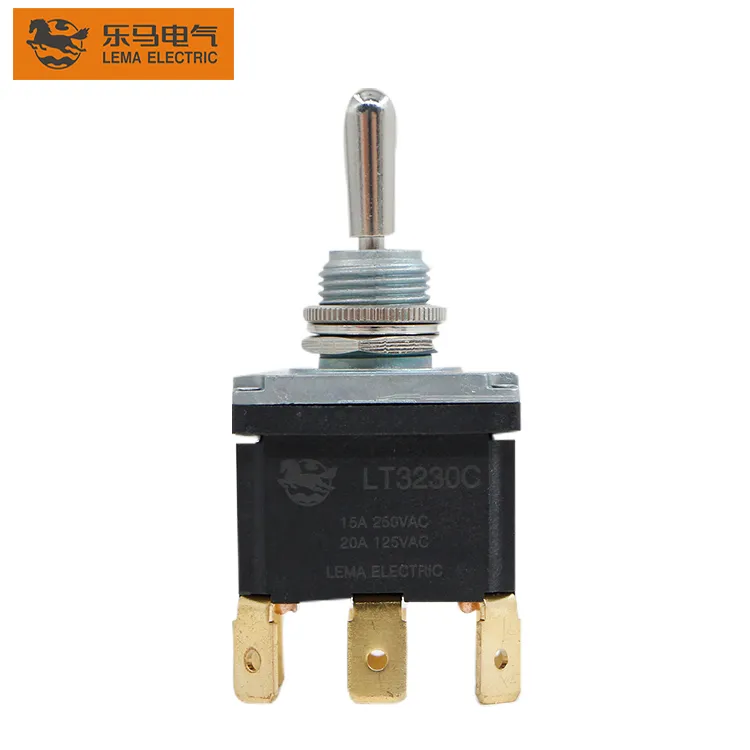
Part 1. What does heavy duty mean on a toggle RFQ?
Write the operator load in engineering units before shopping by handle size. Heavy-duty intent usually means higher continuous current, inductive make, or harsher mechanical abuse—not merely a larger lever.
| Decision field | Input to document | Send with quote |
|---|---|---|
| Electrical duty | Voltage, steady current, load type | Yes — duty summary |
| Inrush | Make current and frequency | Yes — inrush note |
| Terminals | Screw, QC, or solder process | Yes — termination plan |
| Panel | Cutout, thickness, clearance | Yes — mounting envelope |
Start public browsing at the LEMA Toggle Switch product line after the duty file exists.
Part 2. Which current and load-type inputs belong in the file?
Separate resistive, inductive, and lamp loads on the worksheet. A rating that looks comfortable for steady resistive current may still be wrong for motor or transformer make.
Dual-pole high-load panels should also complete the DPDT dual-circuit selection map so each pole carries a documented share of the duty.
Part 3. How should inrush and duty cycle reshape the review?
Inrush and operation rate change thermal and contact stress even when average current looks modest. Record typical make events per hour and any stalled-motor scenarios the operator can create.
| Duty note | Capture | Risk if missed |
|---|---|---|
| Make current | Peak during energize | Contact welding risk framing incomplete |
| Duty cycle | On time / operations | Heat accumulation ignored |
| Ambient | Panel temperature range | Derating discussion skipped |
Part 4. Which terminal and panel checks sit beside the rating?
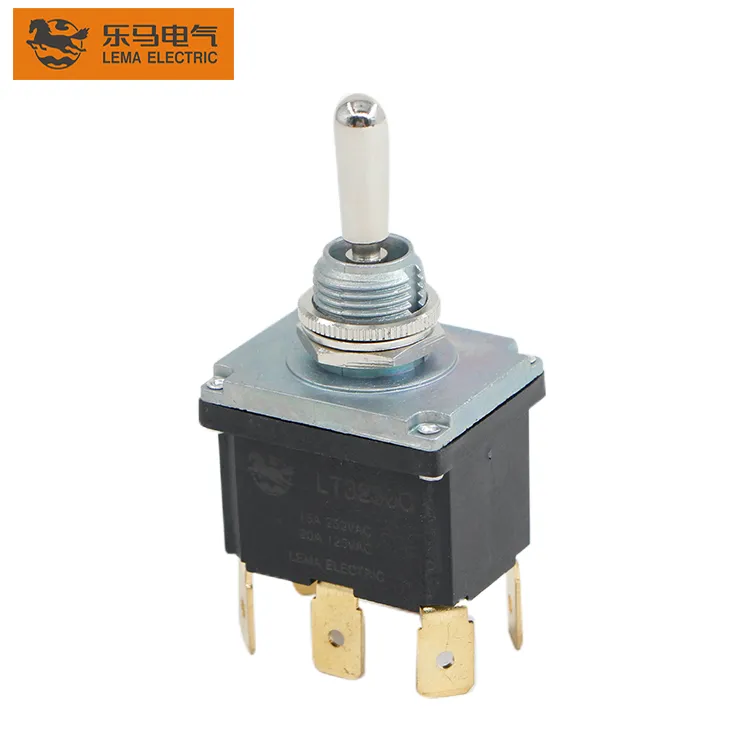
Terminal cross-section and fastening method must match the harness current and production process. Oversized wire on underspecified terminals creates field heat even when the contact rating looks acceptable on paper.
- Match terminal style to torque or solder process controls.
- Keep strain relief and bend radius on the mounting drawing.
- Confirm rear clearance for lugs and boots.
- Cutout planning details continue in the panel-mount cutout planning guide.
Part 5. When does sealing become a parallel requirement?
Wet or washdown fronts need a sealing review in parallel with rating work. A high-current dry panel part is not automatically suitable for outdoor exposure.
Use the IP67 waterproof toggle sealing review and, when needed, the LT3 series waterproof toggle switch route after the exposure envelope is written.
Part 6. How should OEMs validate rating assumptions before release?
Validate the production harness under representative make events, confirm terminal temperature rise expectations against the model documentation, and reject samples that arrive without matching rating sheets.
Fit Boundary: this guide structures heavy-duty rating review for OEM panels. It does not certify amp ratings, thermal results, or life claims for any model.
Part 7. How can LEMA support a heavy-duty toggle inquiry?
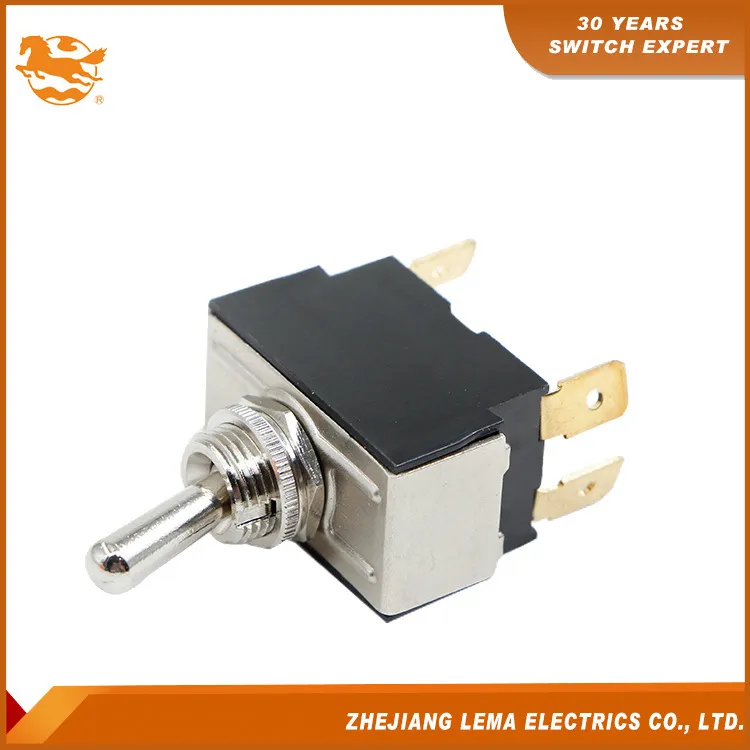
Open the inquiry through the LT1 series toggle switch page once duty, terminals, and mounting notes are complete.
Send with the inquiry:
- Voltage, steady current, load type, and inrush
- Duty cycle and ambient notes
- Terminal style and panel cutout drawing
- Volume, sample timing, and any sealing requirement
Product recommendation: request a documented LEMA review against the duty file. Do not approve a part from a “heavy duty” label alone.
Send a toggle-switch RFQ with the rating package attached.
## FAQs
What makes a toggle switch heavy duty?
Heavy duty usually means the documented electrical and mechanical duty is more demanding; it is not proven by lever size alone.
Can I use the catalog amp number without load type?
No. Resistive, inductive, and lamp loads stress contacts differently; record load type with the rating review.
Does heavy duty mean waterproof?
Not automatically. Sealing is a separate envelope that needs its own documentation and series path.
Which terminals suit higher current harnesses?
Match terminal style and conductor size to the selected-model documentation and the factory process—do not improvise from photos.
Should inrush be on the RFQ?
Yes. Make current and operation rate belong beside steady current so contact review is complete.
What should a heavy-duty toggle RFQ include?
Include voltage, current, load type, inrush, duty cycle, terminals, cutout, environment, volume, and sample timing.
## References