
Power inlet incoming lot acceptance sampling is a documented decision process for a defined shipment, using randomly selected specimens and agreed inspection rules. Begin by identifying the lot, the ordered inlet configuration and the defects that matter to assembly and safety. Select the sampling plan before seeing the results, then record whether the lot is accepted, held or rejected. Sampling does not prove that every inlet is defect-free, and a passed sample does not qualify a finished appliance. For Lemaele IPZ purchases, this guide explains how to organize receiving evidence without inventing a universal sample size or acceptance limit.
Define what belongs to one inspection lot
A purchase delivery can contain several configurations or production references. Do not combine them into a single lot merely because they arrived on the same pallet. Identify the exact order code, mounting style, terminal option, drawing revision and supplier production or shipment reference. Agree how mixed configurations, split deliveries and repacked cartons will be handled before deciding which units are eligible for selection.
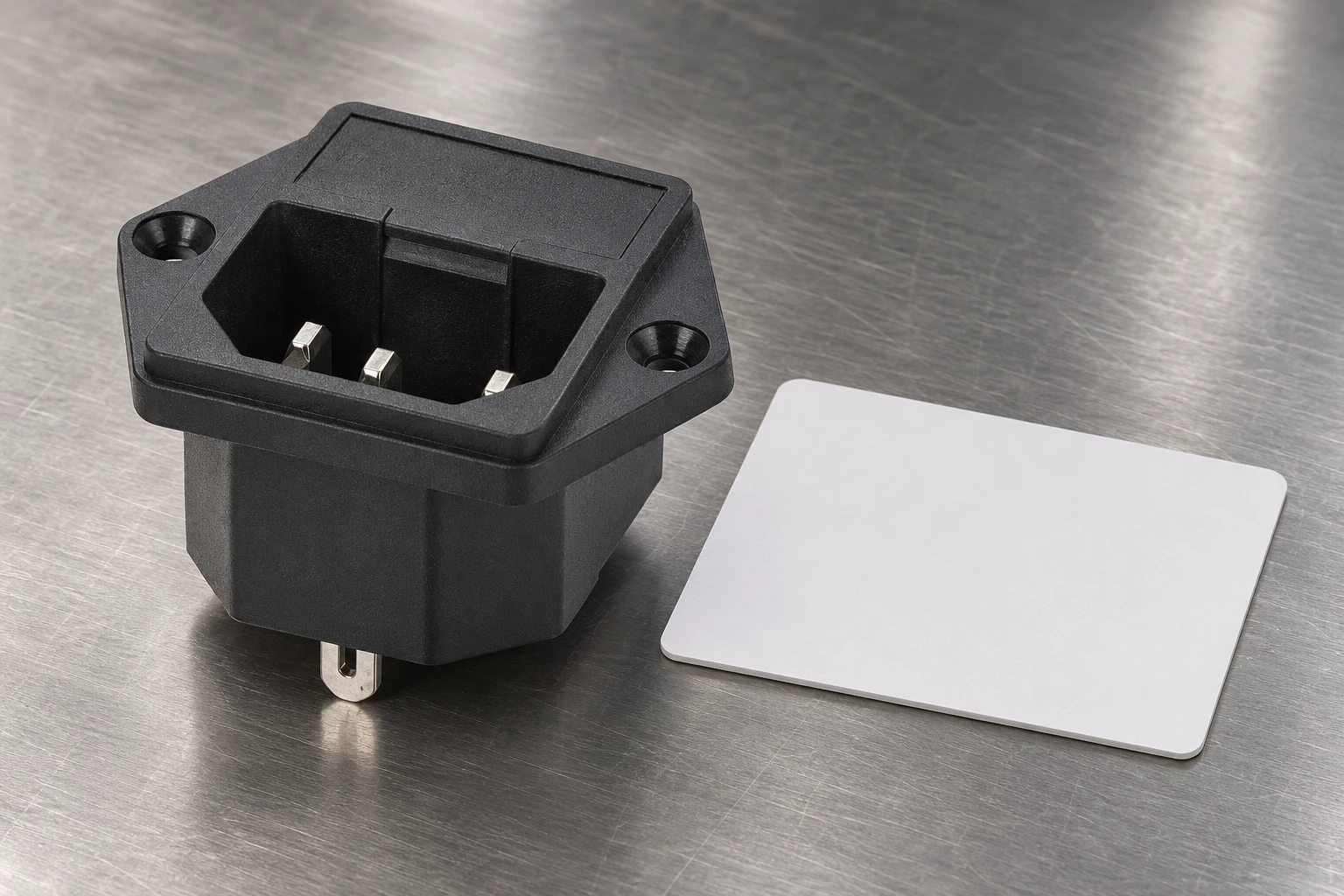
Use the IPZ series AC power socket page to establish the product family, then obtain the controlled configuration record for the order. The family photograph includes different mounting forms; it does not make those forms interchangeable. Your lot record should make it possible to explain exactly which delivered items the inspection decision covers and which items remain outside it.
Choose inspection characteristics from actual requirements
Start with the approved purchase specification and assembly drawing. Candidate characteristics include correct variant, mounting features, visible housing damage, terminal identity, packaging condition and required documents. Each characteristic needs an observable definition and an acceptance reference. “Looks good” is not a reproducible criterion, particularly when two inspectors disagree about a scratch or a slightly different molding feature.
Separate cosmetic observations from features affecting fit, connection or the equipment safety assessment. Have the responsible engineering and quality functions classify defects and establish the response to safety-related findings. This guide supplies no universal defect classification. A characteristic that is minor for one application can matter differently in another, and a receiving team should not downgrade it after observing inconvenient results.
| Evidence item | What to verify | Decision supported |
|---|---|---|
| Lot definition | Order code, revision, shipment references and boundaries | Determines which delivered units the result covers |
| Inspection criteria | Characteristic, defect definition and acceptance reference | Allows different inspectors to make consistent observations |
| Approved plan | Selection procedure and decision rules chosen in advance | Prevents convenient or retrospective sample selection |
| Specimen record | Identity, source location, photographs and results | Preserves the link between observations and selected units |
| Disposition | Authorized release, hold, rejection or controlled resubmission | Makes the shipment decision traceable without implying universal conformity |
Understand what acceptance sampling is designed to decide
The NIST introduction to acceptance sampling describes a random sample used to decide the disposition of a lot. The objective is the lot decision, not a complete measurement of its quality. A report should therefore identify the lot, the plan and the observations supporting disposition instead of presenting a small sample as proof of universal conformity.
Distinguish this process from first-article approval, supplier process control and qualification testing. An incoming lot may match a previously approved configuration while still needing a shipment decision. Conversely, an apparently clean shipment does not establish that an unapproved configuration is suitable for the appliance. Keep those approval stages connected through records while preserving their different purposes.
Select and approve the plan before drawing specimens
A sampling plan needs selection rules, inspection criteria and decision rules. The NIST overview of plan types explains that different plans have different structures and risks. The responsible quality function should choose the applicable plan and document its basis. A supplier’s general quality claim does not choose the plan for a buyer’s particular receiving risk.
Where a contract names a sampling standard, confirm the edition and required inputs before deriving the sample and acceptance numbers. Do not copy an isolated table row from an unrelated order. If the necessary inputs are missing, resolve them before using the table. This article intentionally omits numerical plan recommendations because lot size alone does not establish acceptable risk, defect classes or the applicable contractual rules.
Make selection random and preserve specimen identity
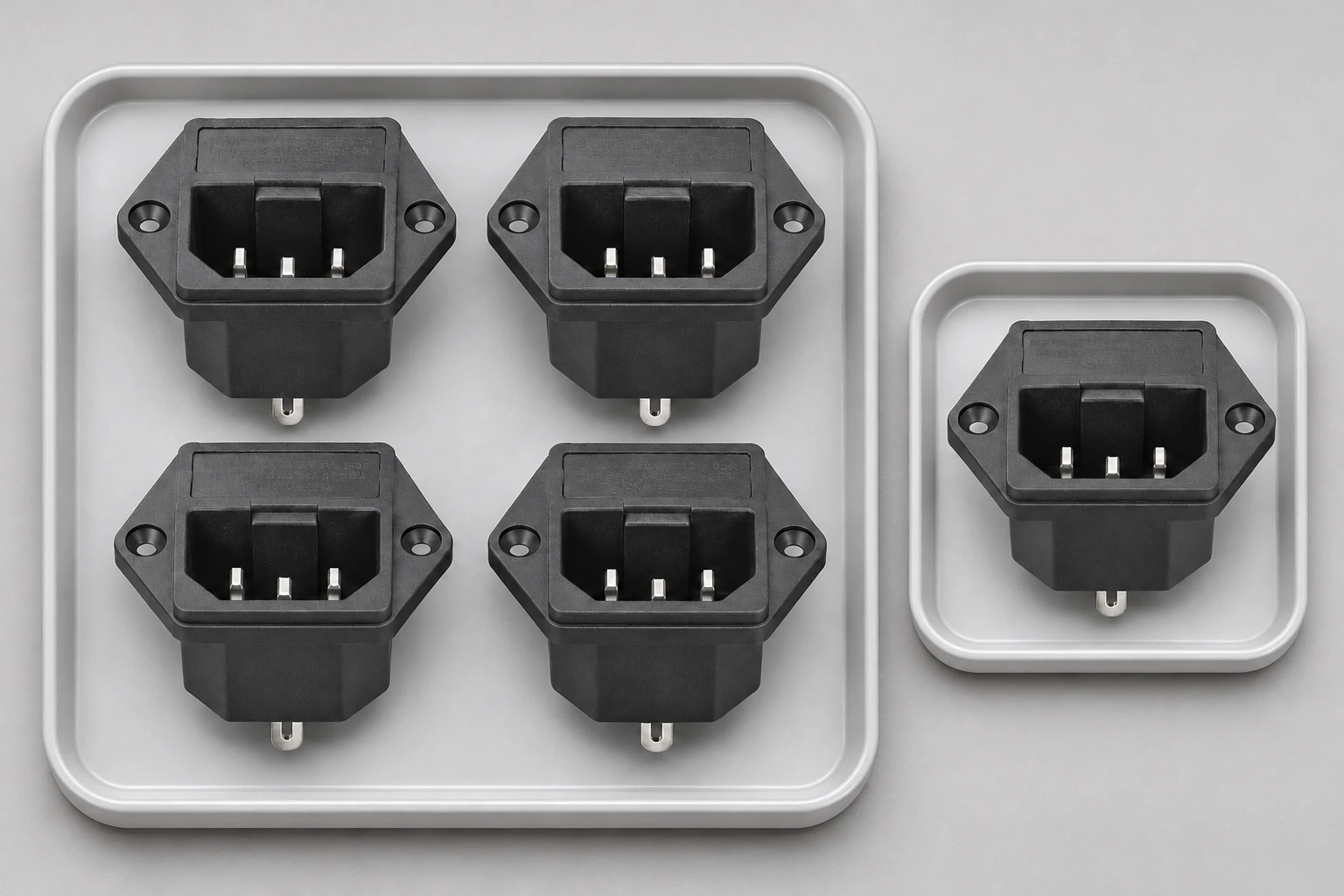
Prepare a practical way to select units across the defined lot without choosing only convenient top cartons or visually attractive parts. The approved selection procedure should determine how carton and unit positions are chosen. Record enough detail to show that the delivered lot was available for selection and that specimens were not substituted after a defect appeared.
Assign each specimen an identity linked to its carton or other source location. Keep it through visual inspection, dimensional checks and any authorized test. This prevents one unit’s photograph from being paired accidentally with another unit’s result. If access limitations mean selection was restricted to part of the shipment, document that limitation and let the authorized reviewer decide whether the intended lot decision remains supported.
Inspect against controlled methods and references
Give inspectors the current drawing, approved visual references and any relevant fixture instructions. Record the inspection method and equipment identity where needed. Compare mounting features with the actual requirement, not with an assumed dimension taken from an illustration. The power inlet cutout guide helps frame the fit question, but the ordered part drawing remains the acceptance reference.
For housing observations, use the housing weld-line inspection discussion to distinguish a visible feature from a demonstrated defect. A visual seam should not automatically become a strength failure, while a real crack should not be dismissed as normal molding variation without review. Photograph disputed features with specimen identity and location so the supplier can respond to the actual evidence.
Keep destructive and electrical work under separate control
Some checks leave a specimen unchanged; others can damage it or affect subsequent results. Define test sequence and final specimen disposition before inspection begins. Do not return a destructively examined or otherwise compromised sample to saleable stock. Record when a specimen is unavailable for later tests so the report does not imply that every selected unit completed every inspection.
Electrical tests require the applicable product or equipment requirements, approved procedures and qualified personnel. A receiving sampling article is not a high-voltage test instruction. Do not energize unknown parts, improvise a test voltage or use a continuity check as a substitute for insulation assessment. If a laboratory report is required, state the exact configuration and evidence scope in the purchase requirement rather than expecting receiving personnel to invent a test.
Apply the decision rule without selective retesting
Record all observations before making the lot decision. If the plan permits a second stage, follow that defined procedure and preserve the first-stage results. Do not discard a failed specimen and draw a replacement simply because the rest of the shipment appears satisfactory. Additional inspection should have an authorized purpose and a recorded relationship to the original decision.
For a held or rejected lot, record segregation, notification and the authorized disposition route. Possible responses may include supplier investigation, return, controlled screening or an engineering decision under the buyer’s process. None should silently rewrite the original inspection result. If screened stock is resubmitted, identify the work performed and establish the rules for reinspection rather than representing it as an untouched new lot.
Use receiving results to improve the next purchase
Review repeated findings by configuration and supplier reference. If mounting damage recurs, investigate packaging and handling; if identity conflicts recur, improve the ordering and traceability requirements. Use the snap-in versus screw-mount comparison to make mounting selection explicit before production. A recurring configuration mismatch is better prevented at order review than repeatedly discovered at receiving.
Do not change sampling intensity from a few favorable observations without the authority and rules established by your quality system. Retain evidence of supplier corrective action and check whether the change applies to the next delivered lot. The useful output is a repeatable decision process with feedback, not an impressive-looking inspection spreadsheet that cannot explain how parts were selected or why the shipment was released.
Prepare the supplier inquiry and release package
Before the next shipment, send the supplier the ordered configuration, drawing revision, packaging identity requirements and the receiving characteristics that need supporting documents. Agree how mixed production lots and substitutions will be declared. Ask which records already exist and what additional inspection must be commissioned; do not assume that a public family datasheet is a lot-specific certificate.
The final release package should contain the lot definition, approved sampling instructions, selected specimen identities, results, unresolved observations and authorized disposition. Keep a clear distinction between an accepted shipment and an approved equipment design. When these records agree, purchasing can release or reject the lot with a reason that another reviewer can follow, while engineering retains responsibility for suitability in the intended appliance.
Further learning
The NPTEL IIT Guwahati lecture introduces acceptance sampling as an industrial-engineering decision method. It provides background for selecting and reviewing a plan, not a sample-size prescription for IPZ power inlets.

Frequently asked questions
Is there one sample size for all inlet deliveries?
No. Use the applicable approved plan with its required inputs, risk basis and contractual requirements. Lot size alone does not establish the full decision process.
Does an accepted lot mean every inlet is good?
No. Sampling supports a lot decision with the properties of the selected plan. It does not demonstrate that every unit was inspected or is defect-free.
Can I replace a failed sample with another unit?
Do not erase the original finding. Any additional stage, reinspection or screening must follow an authorized procedure that preserves the original results and identifies the resulting disposition.
Can incoming sampling replace appliance qualification?
No. Shipment acceptance and equipment design approval answer different questions. Keep configuration evidence, receiving results and finished-equipment assessment separate and connected through traceability.