
HVAC equipment uses micro switches as position eyes on moving air-path parts. Damper end positions, filter and panel access doors, condensate float arms, and fan interlocks all reduce to one question: does the circuit change state reliably in a dusty, sometimes wet airstream?
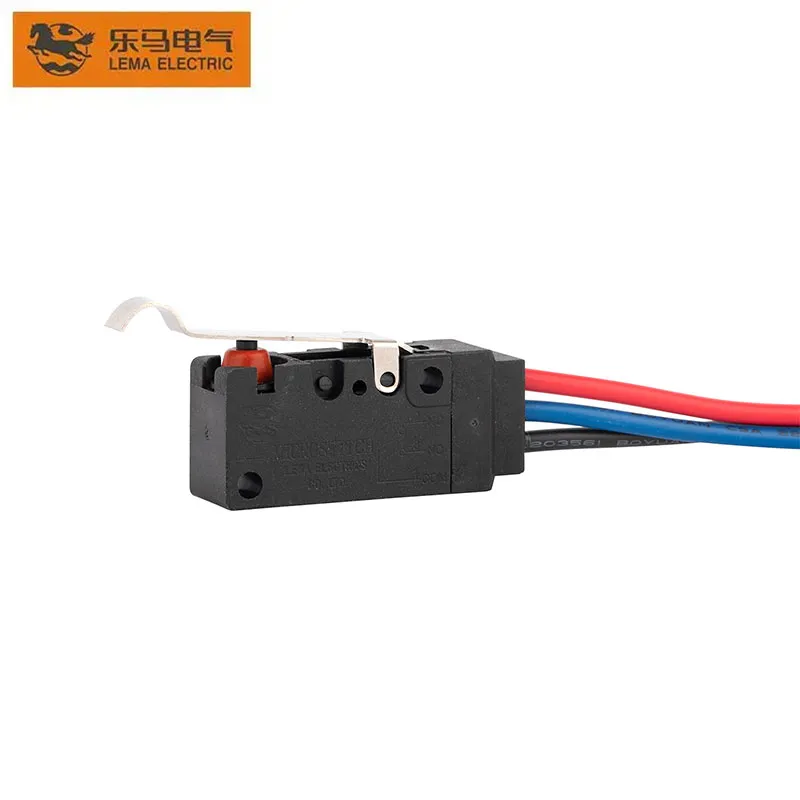
Part 1. Where do micro switches sit in HVAC equipment?
Air handlers and rooftop units scatter switch points across the cabinet. Each point has its own motion, environment, and electrical duty, so listing them explicitly beats treating the unit as one application.
| Switch point | Motion sensed | Primary stress |
|---|---|---|
| Damper end position | Blade or linkage travel | Dust loading on the actuator |
| Access door interlock | Panel open and close | Misalignment and slam energy |
| Condensate float | Float arm rise | Humidity and condensation |
| Fan section interlock | Guard or vane position | Vibration through the frame |
Map each point to a candidate family through the LEMA Micro Switch product line before fixing any bracket design.
Part 2. How should damper and door travel be defined?
Damper blades and access doors rarely stop at identical positions across builds. The drawing must state where in the travel the circuit changes state, plus the overtravel available past that point.
The same tolerance-stack discipline used for industrial panel selection applies here: free position, operating position, release point, and maximum travel, all dimensioned against the bracket.
Part 3. How do dust and condensation shape selection?
Airstreams carry filter dust, fibers, and moisture directly to the switch location. Condensate sections add standing humidity and occasional splash, which unsealed mechanisms tolerate poorly.
- Note filter class and expected dust load at each point.
- Record condensation, drain splash, and any coil-cleaning chemicals.
- Consider sealed housings or protected mounting where exposure is direct.
- Orient actuators so debris falls away rather than packing in.
Part 4. Which load and controller inputs matter?
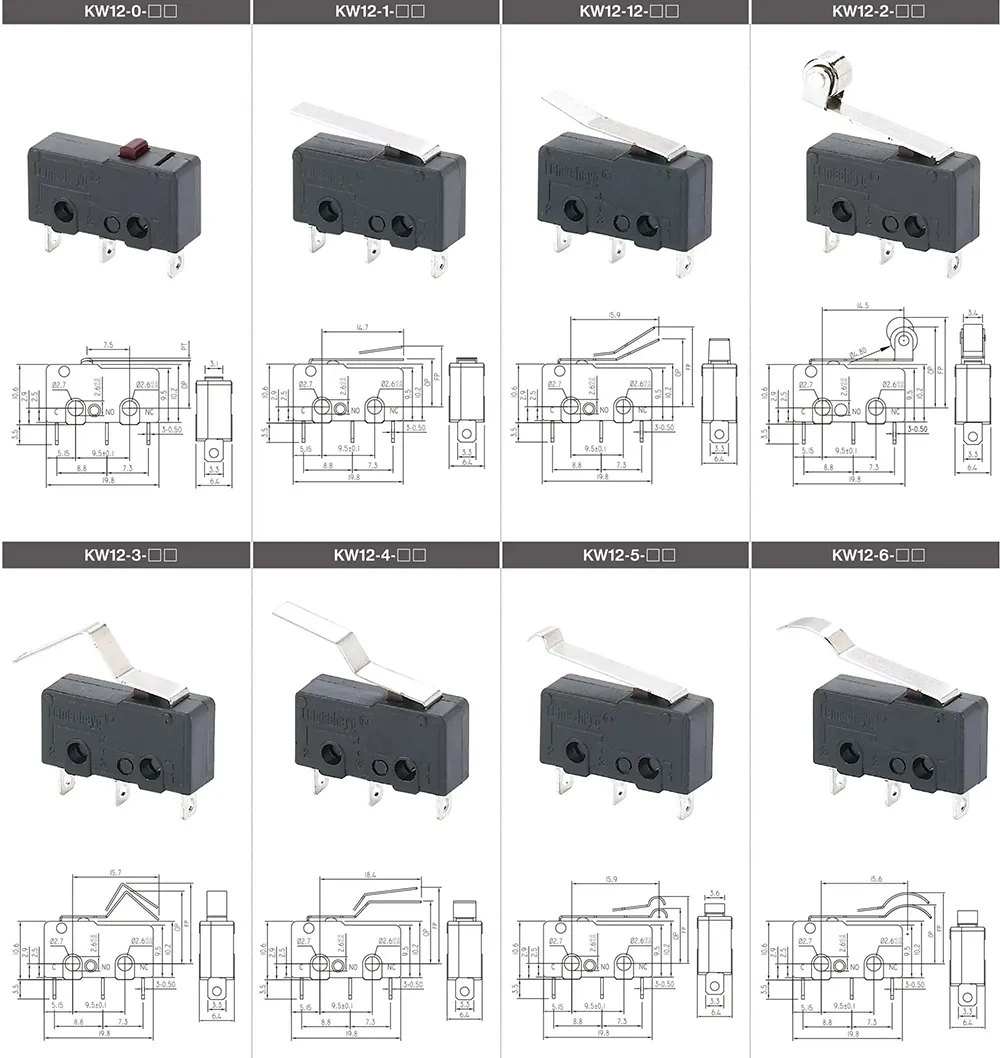
Fan interlocks may switch contactor coils, while damper feedback often lands on a low-voltage controller input. Those two duties stress contacts differently, and one part number rarely serves both well.
| Circuit type | Typical demand | Selection consequence |
|---|---|---|
| Coil or small motor | Inductive load with inrush | Power-class contact material |
| Controller input | Milliamp sensing signal | Minimum-load compliance matters |
| Indicator circuit | Lamp or LED drive | Check inrush on lamp loads |
Cycle expectations for seasonal equipment belong in the same file; the cycle life planning guide shows how to write a duty target that a test plan can use.
Part 5. Which installation and service checks prevent callbacks?
Field callbacks concentrate in installation detail rather than switch internals. Validate with production brackets on real cabinet panels, not on a bench fixture that hides misalignment.
Slammed access doors deliver impact energy the bracket must absorb. Give the actuator a controlled stop, and confirm service access so a filter change cannot bend the lever.
Part 6. What belongs in the RFQ and Fit Boundary?
RFQ input checklist
- Switch point list with motion and travel per point
- Dust, condensation, and cleaning exposure notes
- Load, voltage, and controller interface per circuit
- Mounting drawings and service access constraints
- Volume, validation expectations, and sample timing
Fit Boundary
This guide organizes HVAC switch-point selection. It does not certify temperature classes, ingress results, or safety interlock functions; model documentation and unit-level testing own those.
Part 7. How can LEMA support an HVAC inquiry?
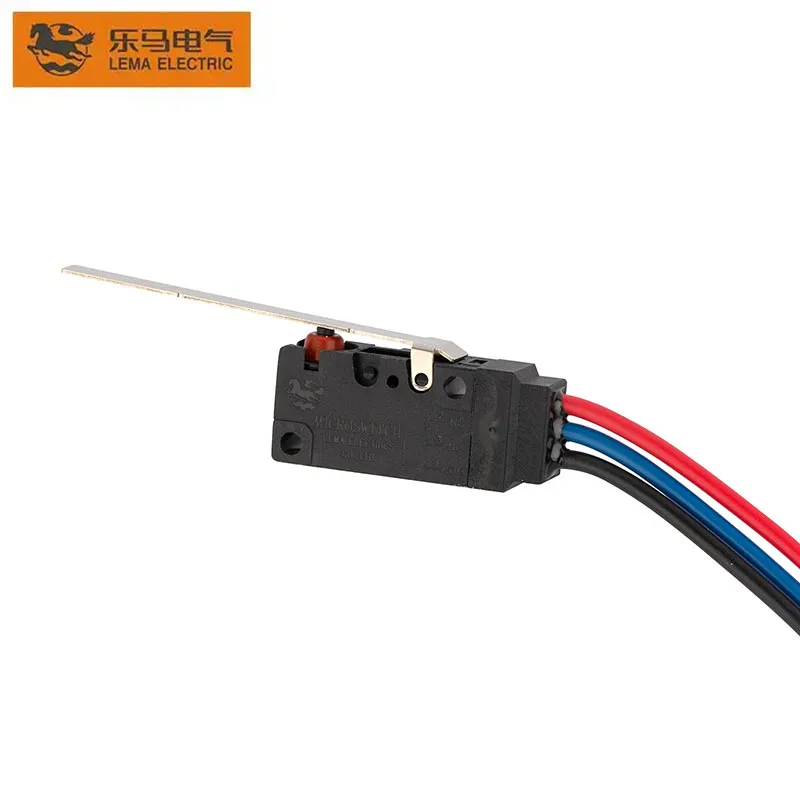
Wet or washdown-adjacent points justify a sealed review first. The KW7F series waterproof micro switch page is a public LEMA route for that discussion.
Product recommendation: submit the full switch point list rather than one generic request, so each point gets a fit-for-exposure answer.
Send an OEM switch RFQ with the point list and exposure notes attached.
FAQs
Where are micro switches used in HVAC units?
Common points include damper end position, access door interlocks, condensate float arms, and fan section interlocks.
Do HVAC micro switches need sealing?
Points exposed to condensation, drain splash, or coil cleaning benefit from sealed housings; dry control compartments may not need them.
How is a damper feedback switch different from a fan interlock?
Damper feedback usually feeds a low-energy controller input, while a fan interlock may switch a coil; the loads differ, so the contacts may too.
What causes early switch failure in air handlers?
Dust packing around actuators, condensation on unsealed mechanisms, slammed doors, and misaligned brackets are the recurring causes.
Can one switch model serve every point in a unit?
Rarely. Listing each point with its motion, exposure, and load lets each get a suitable configuration instead of a compromise.
What should an HVAC switch RFQ include?
Include the point list, travel and force data, exposure notes, per-circuit loads, mounting drawings, volume, and sample timing.