
Medical equipment asks more of a small switch than most panels do. Operator feel must stay consistent, housings meet aggressive wipe-down chemistry, and the switched circuit is often a milliamp controller input. Plan those three demands together from the first drawing.
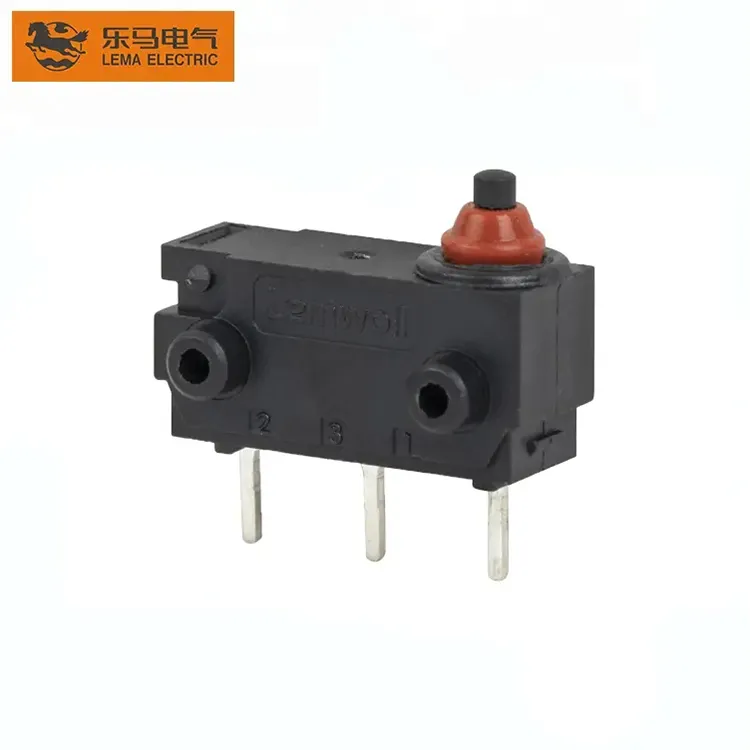
Part 1. What roles do micro switches play in medical devices?
Detection and interface tasks dominate: lid and cassette position on analyzers, handpiece triggers, bed and lift position feedback, and enclosure interlocks on carts and pumps. Almost all of them feed logic rather than power.
| Device area | Switch task | Design emphasis |
|---|---|---|
| Analyzer lid or tray | Position confirmation | Repeatable operating point |
| Hand controls | Operator trigger | Force and acoustic feel |
| Mobile equipment | Dock and panel detection | Tolerance to housing flex |
| Enclosures | Service interlock | Defined free-state behavior |
Shortlist families through the LEMA Micro Switch product line, keeping the interface drawing beside the catalog rather than after it.
Part 2. How should force and feel be specified?
Force specification needs a window, not a single number: the minimum that prevents accidental actuation and the maximum an operator can comfortably repeat. Acoustic and tactile character belong in the same note, because clinical users notice a changed click sooner than most.
Compact envelopes tighten these choices further; the miniature switch packaging guide covers the packaging side of the same decision.
Part 3. How does cleaning chemistry affect the housing?
Wipe-down agents attack plastics and seals over hundreds of cycles, not on day one. List the actual chemistries and wipe frequency, then review housing materials against that list instead of a generic cleanable claim.
- Record every approved cleaning agent and its concentration.
- Note wipe frequency per shift, since dose drives degradation.
- Prefer sealed or protected mounting where liquid can pool.
- Revalidate feel after chemical exposure testing, not only when new.
Part 4. Why do signal-level loads need extra care?
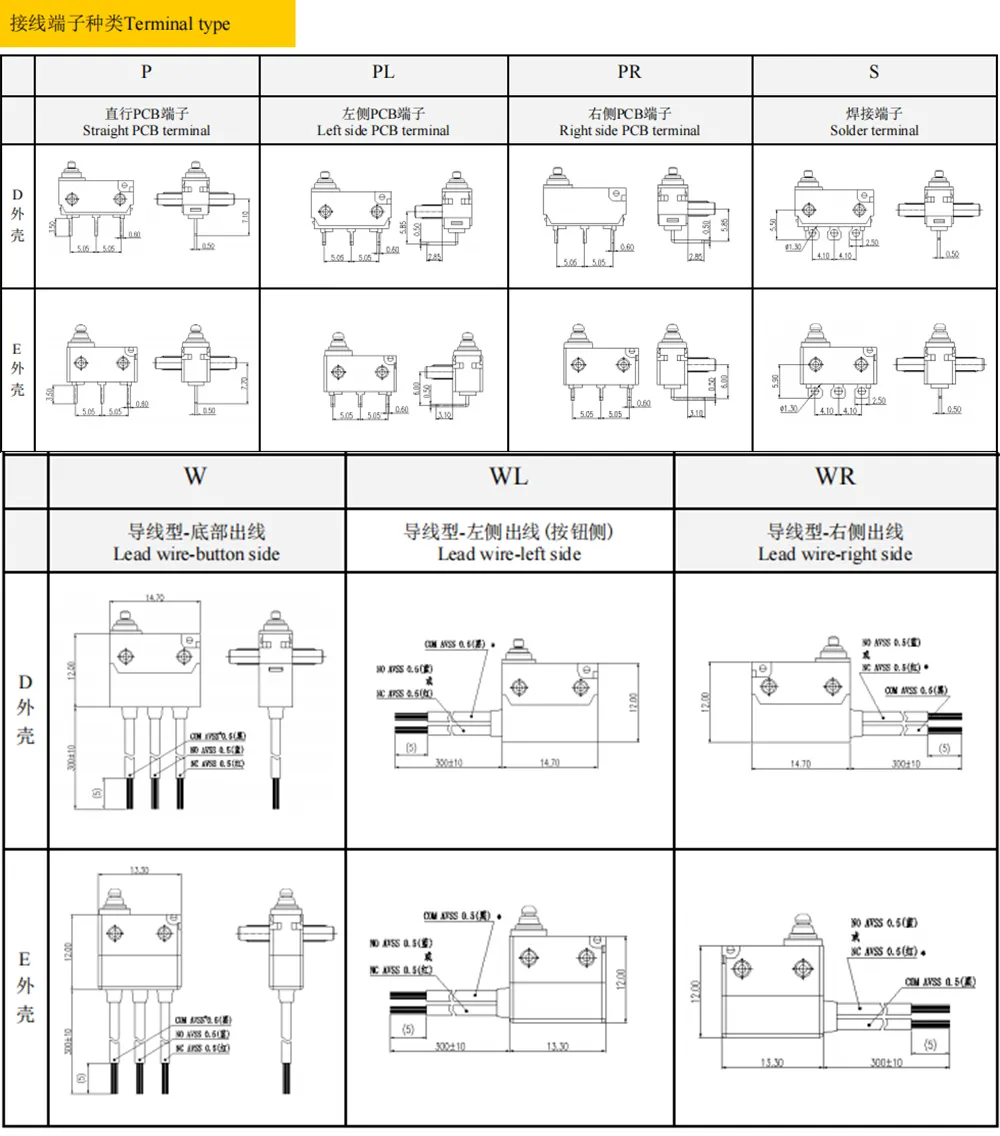
Controller inputs switch very little energy, which puts the contact system in dry-circuit territory. Film buildup that a power load would burn away can survive on a signal contact and turn into intermittent reads.
| Signal condition | Risk | Input to verify |
|---|---|---|
| Milliamp sensing | Unstable contact resistance | Minimum applicable load of the model |
| Long harness runs | Noise coupling into the signal | Routing and controller filtering plan |
| Rare actuation | Film growth between operations | Storage and standby environment |
Panel-level wiring discipline from the industrial panel selection guide applies unchanged to device harnesses.
Part 5. Which validation steps fit device development?
Device programs validate in stages, and the switch plan should ride those stages. Feel studies belong in early mockups, chemical exposure in design verification, and full actuation life on production-intent assemblies.
Freeze the switch specification with the interface drawing. A late actuator or force change reopens human-factors work, which costs far more than the component.
Part 6. What belongs in the RFQ and Fit Boundary?
RFQ input checklist
- Interface function and required contact state
- Force and feel window with actuation direction
- Cleaning agent list, concentration, and wipe frequency
- Signal voltage, current, and controller input detail
- Actuator, mounting, expected operations, volume, and sample timing
Fit Boundary
This guide structures component selection inputs for device teams. It does not provide medical certification, biocompatibility evidence, or regulatory acceptance; those remain device-level responsibilities.
Part 7. How can LEMA support a medical equipment inquiry?
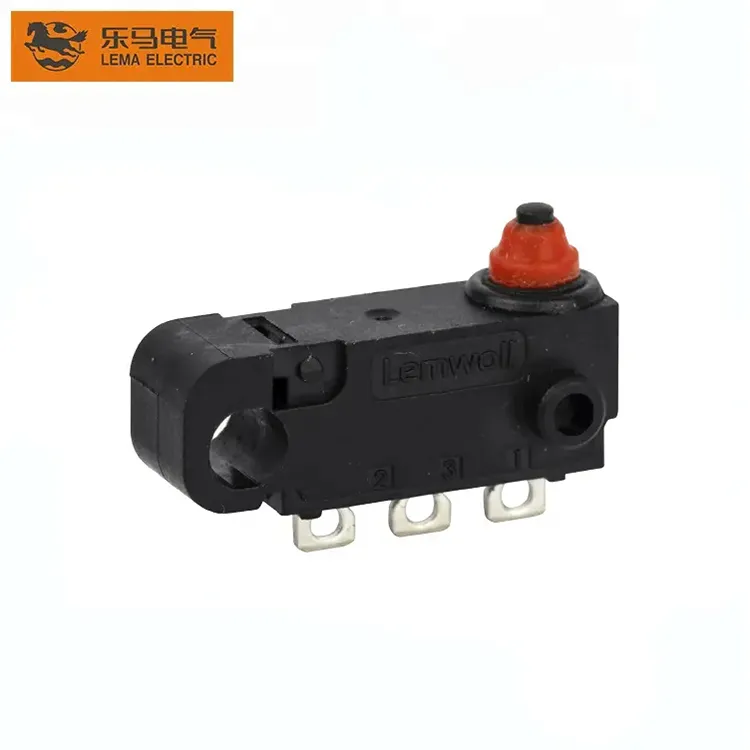
Compact sealed families are the usual starting point for wipe-down environments. The SW10 series mini micro switch page is a public LEMA route for that review.
Product recommendation: open the inquiry with the force window, agent list, and signal level attached, so the response addresses the interface rather than a generic switch.
Send an OEM switch RFQ when those inputs are documented.
FAQs
Where are micro switches used in medical equipment?
Typical points include analyzer lids and trays, handpiece triggers, bed and lift position feedback, and service interlocks on carts and pumps.
How should operating force be specified for clinical users?
State a window with a minimum against accidental actuation and a maximum for comfortable repeated use, plus the expected tactile feel.
Do cleaning agents really damage switch housings?
Repeated wipe-downs degrade some plastics and seals over time, so the agent list and frequency belong in the component review.
Why do signal circuits need special contact attention?
Milliamp loads cannot burn through surface films, so the contact must be suitable for dry-circuit duty per the model document.
Does a switch supplier provide medical certification?
No. Suppliers document the component; device-level certification and biocompatibility remain with the equipment manufacturer.
What should a medical switch RFQ contain?
Provide the interface drawing, force window, cleaning agents, signal levels, expected operations, volume, and sample timing.