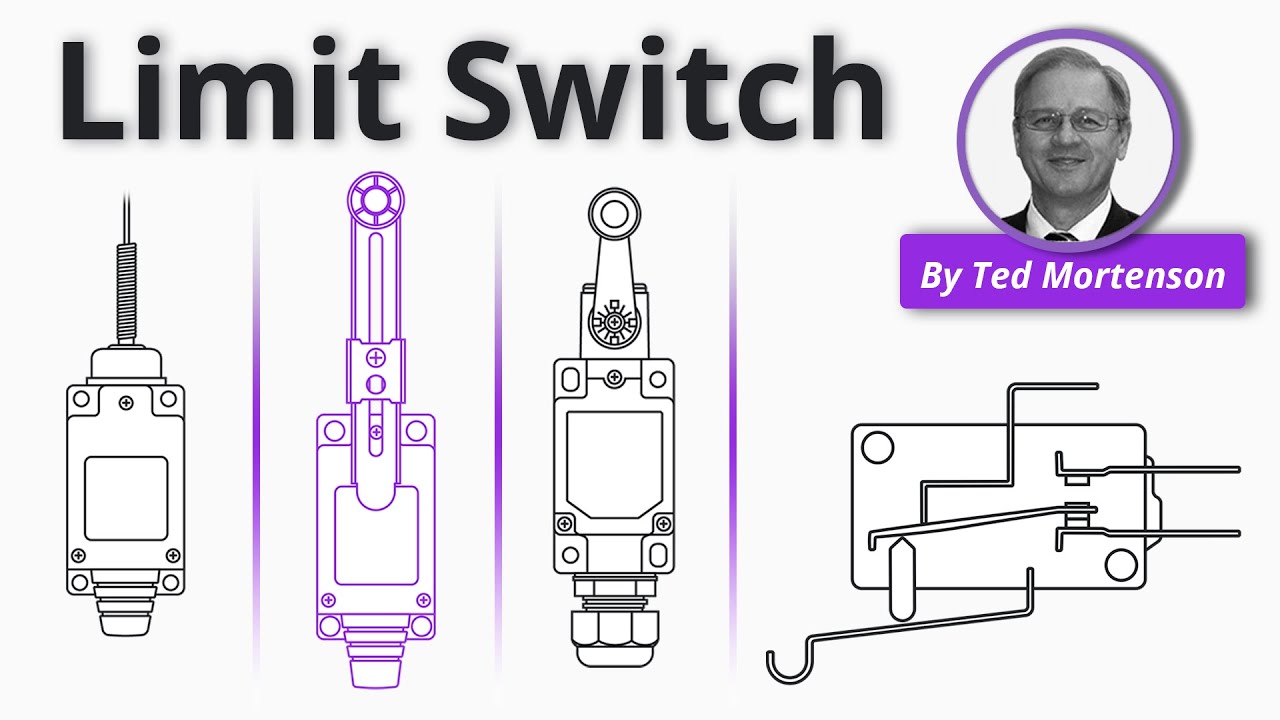
A waterproof foot switch should be chosen from the complete installed system, not from a product photo or the word “waterproof.” The relevant IP rating applies only to the exact tested enclosure, cable entry, connector and operating condition. Water jets, standing water, metal dust, oil, washdown chemicals and outdoor condensation are different exposures. Define the contaminants and cleaning method first, then verify the switch’s documented IP code, mounting position, cable termination and maintenance plan.
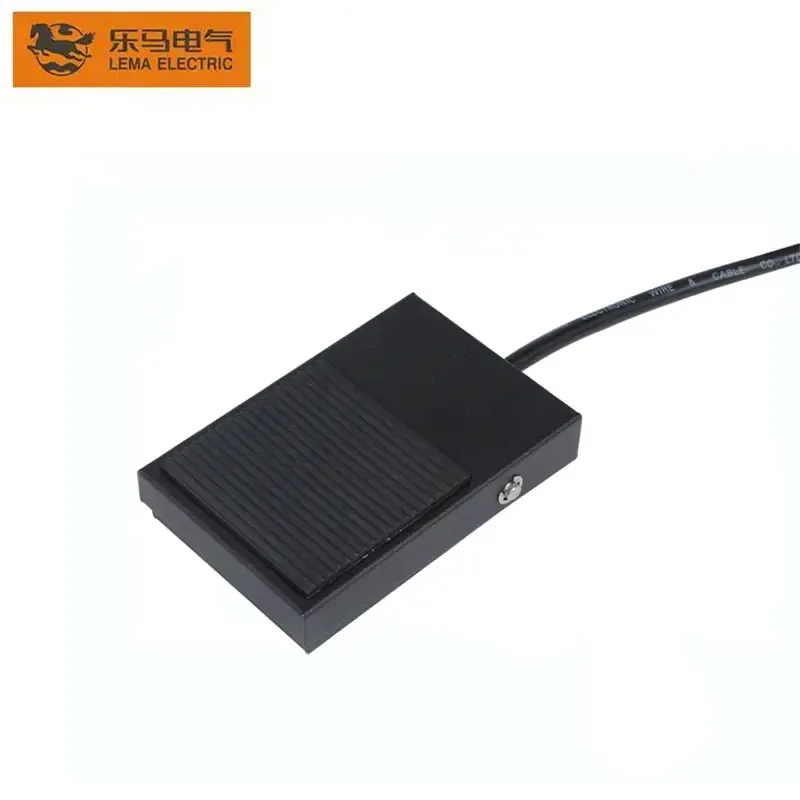
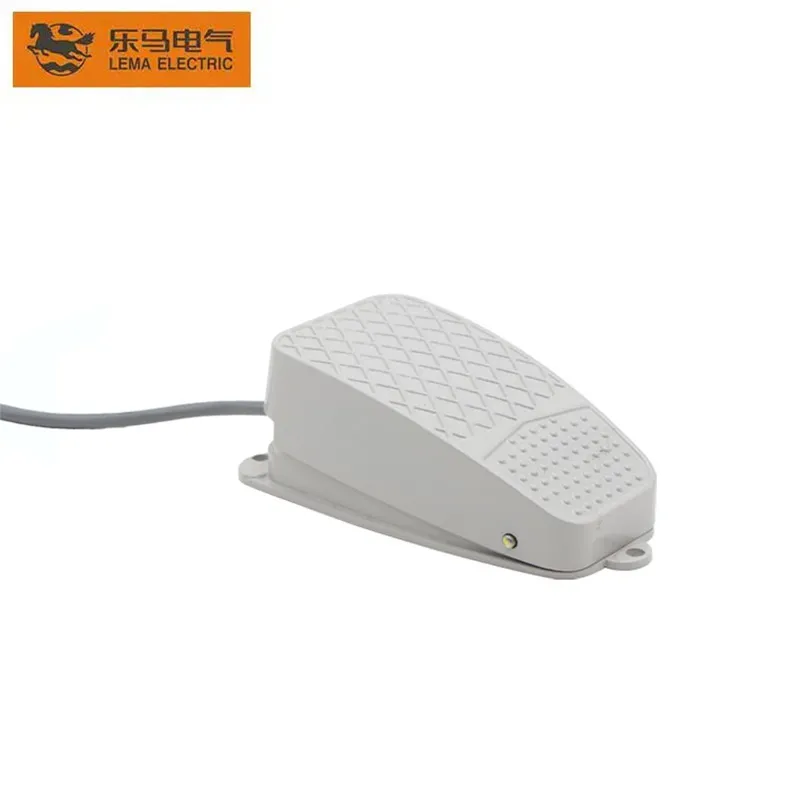
This guide explains how to specify a foot control for wet and dusty work areas. LEMA LF-series images provide real product references, but no rating is inferred from appearance. Ask for the controlled datasheet and test evidence for the exact model.
IP rating decisions at a glance
| Environment question | Why it matters | Evidence to request | Common mistake |
|---|---|---|---|
| Dust type and quantity | Fine conductive dust differs from coarse dry debris | Exact first IP digit and test scope | Calling any covered pedal dustproof |
| Water source | Drips, spray, jets and immersion are separate tests | Second IP digit, orientation and duration | Treating all water exposure as equivalent |
| Cable exit | Ingress often begins at the gland or connector | Cable diameter range and assembly instruction | Rating the pedal but not the cable assembly |
| Cleaning chemicals | Compatibility is not defined by IP alone | Material and chemical-resistance confirmation | Assuming washdown detergent is harmless |
| Mechanical damage | Cracks and impacts defeat seals | Inspection criteria and replacement limits | Keeping a damaged enclosure in service |
What the two IP digits mean
The first digit describes protection against access to hazardous parts and solid foreign objects. The second describes protection against water under specified laboratory conditions. Higher digits are not a universal promise for every contaminant, pressure, chemical or installation. The IEC explanation of IP ratings provides the official framework; purchase decisions should use the applicable IEC 60529 documentation for the product.
An IP code does not state electrical load rating, slip resistance, impact resistance, corrosion life or suitability for explosive dust. Those are separate requirements. If the operating area is hazardous because of combustible dust or vapors, use the site classification and approved equipment process rather than an ordinary IP rating alone.
Map the real exposure
Walk through production, cleaning and downtime. Note splash direction, hose pressure, puddles, drainage, airborne dust, falling chips, oil mist, temperature cycles and whether the operator’s footwear carries water onto the pedal. Include abnormal but foreseeable events, such as a blocked drain or a cleaning nozzle directed at the cable entry.
Outdoor equipment also experiences condensation inside an enclosure when temperature changes. Sunlight can age polymers and cable jackets. Freezing water may damage moving parts. Ask whether the installation has shelter, drainage and heating, and define the lowest and highest ambient temperature.
Pedal cover versus sealed enclosure
A guard or hood helps reduce accidental actuation and direct falling contamination, but it is not the same as a sealed switch body. Openings may remain beneath the pedal, around pivots or at cable entries. Conversely, a sealed internal switching element may be installed inside a housing that still traps dirt and affects movement.
Specify both functions separately: accidental-actuation protection and environmental sealing. Review the maintained-versus-momentary foot-switch guide when defining control behavior. Do not describe a hood as a complete safety or ingress solution.
Cable glands, connectors and strain relief
The cable path is part of the boundary. A gland works only with the specified cable diameter, sealing insert, torque and surface condition. A connector must be fully mated, capped when disconnected and assembled with the correct seals. Re-terminating the cable or replacing it with a different outside diameter can invalidate the tested arrangement.
Provide strain relief so repeated foot movement does not pull the seal or terminals. Route the cable away from standing water, sharp edges, hot surfaces and vehicle traffic. The foot-switch connector guide helps define pin count and connector choices, but the selected connector’s own environmental rating still controls.
Dust is not one material
Wood flour, cement, textile fibers and metal particles behave differently. Conductive dust can bridge terminals, abrasive dust can wear pivots, and packed debris can prevent full release. Fine combustible dust may create an explosion hazard governed by location classification and housekeeping requirements.
The OSHA dust-control resources explain broader workplace controls. An enclosure should be one layer in a system that includes extraction, cleaning and inspection. Never use compressed air in a way that creates a dangerous dust cloud or forces particles deeper into the pedal.
Water, oil and chemical compatibility
Passing a water-ingress test does not prove resistance to cutting fluid, hydraulic oil, disinfectant, salt spray or alkaline cleaner. Obtain the enclosure, seal and cable-jacket materials, then compare them with the actual fluids and concentrations. Account for temperature and contact duration, because repeated short washdowns can age materials differently from a one-time splash.
If aggressive cleaning is unavoidable, place the foot switch outside the direct spray zone where the process allows, use a removable cover that does not obstruct safe operation, and define replacement intervals from inspection evidence.
Electrical architecture in wet areas
Where practical, use the pedal as a low-energy control input and switch the machine load through a suitable controller or interface. This does not make the equipment safe by itself, but it can reduce the energy present at the floor control. Circuit protection, protective bonding, isolation and residual-current protection must follow the equipment design and applicable rules.
A foot switch does not keep the operator’s hands away from a hazard. The single-versus-dual pedal guide explains command layout, while machine guarding and risk assessment determine the safety architecture.
Installation checklist
- Confirm the exact model, documented IP code and test orientation.
- Inspect housing joints, fasteners, boot, cable and gland before installation.
- Place the pedal on a stable, drained, non-slip surface.
- Route and support cable without stressing the entry.
- Keep connectors out of puddles and cap unused connections.
- Verify momentary or maintained action and contact states with power isolated.
- Test the complete control response with machine safeguards active.
- Record cleaning agents, inspection interval and rejection criteria.
Maintenance after washdown
Inspect for swelling, cracking, corrosion, loose fittings, sticky movement, damaged cable jackets and contamination around the pedal. Confirm the actuator returns freely. Do not open a sealed enclosure in the work area unless the maintenance procedure allows it; opening can introduce contamination or disturb seals.
After repair, re-establish the rated boundary using approved parts and procedures. A field-applied bead of sealant is not automatically equivalent to the tested construction. Replace a questionable unit when its integrity cannot be verified.
How to compare supplier claims
Ask every supplier to identify the exact model covered by the rating, the standard edition, tested orientation, cable or connector configuration and whether the claim applies to the complete foot-switch assembly. A family brochure that lists several enclosures beside one IP statement may not show which variants were tested. Request a declaration, certificate or report reference that can be tied to the ordered code.
Also compare exclusions. Some ratings apply only when a connector is mated, a cap is fitted or the product is mounted on a specified surface. Record those conditions in the assembly and service instructions. If the site cannot maintain them, choose a different architecture rather than accepting a paper rating that the installed equipment cannot preserve.
OEM RFQ checklist
State the required IP code, dust description, water source, cleaning pressure and chemistry, installation orientation, drainage, temperature, UV exposure, cable length, connector, control voltage and current, contact form, pedal action, guard requirement, expected cycle rate and required approvals. Compare these requirements with the LEMA LF-series product reference and foot-switch range.
FAQ
Does IP67 mean a foot switch can be pressure-washed?
No. Immersion and water-jet tests are different. Verify the exact second digit and cleaning conditions.
Is a covered pedal automatically waterproof?
No. A cover may reduce direct splash or accidental operation, but the enclosure, joints, cable entry and connector determine ingress protection.
Can I replace the cable and keep the IP rating?
Only if the replacement and assembly method are approved for the rated construction, including cable diameter, gland and torque.
Does an IP rating cover oil and chemicals?
No. Chemical compatibility requires separate material evidence for the actual fluid, concentration, temperature and exposure time.
Video: understanding IP ratings
This neutral educational video explains how IP codes describe solids and water protection. Use the product’s controlled documentation for the final rating.