
A micro switch with cord is a snap-action switch supplied with factory-attached leads so OEM teams can route wiring without soldering every terminal in the field. Specify length, gauge, exit direction, contact rating, and strain relief before approving the harness. Corded convenience is not the same as an IP67 sealed cable assembly.
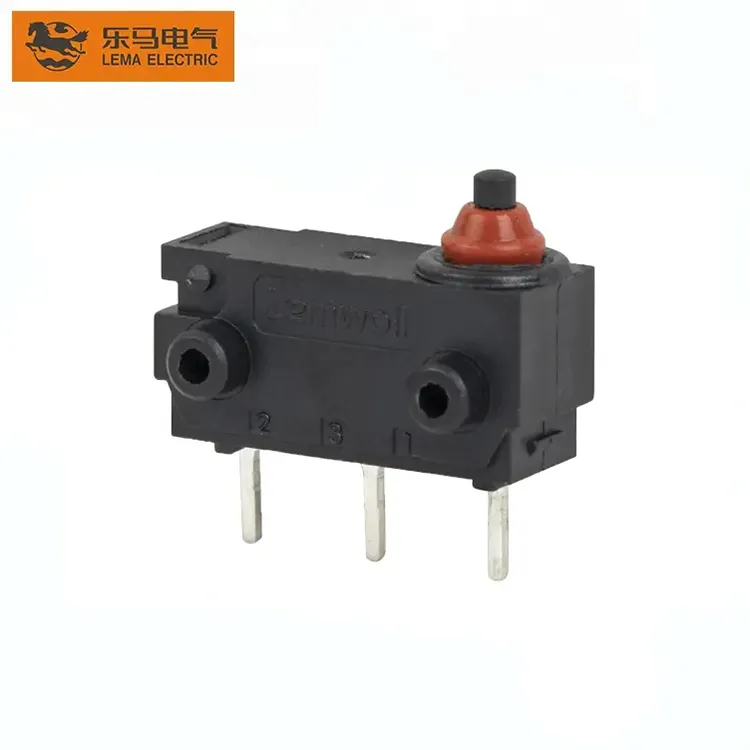
Part 1. What is a micro switch with cord?
A corded micro switch arrives with leads already attached to the switch terminals or potted exit. The OEM routes those leads to a connector, terminal block, or control board. The goal is faster assembly and fewer field wiring mistakes—not an automatic environmental rating.
Define the function of the cord before selecting a series. Ask whether the leads carry signal current or a power load, whether color coding must match the schematic, and whether the exit must clear a bracket or gasket. The cord is part of the component, so cutting or re-terminating it can change both electrical and mechanical behavior.
| RFQ field | Why it matters | Typical mistake |
|---|---|---|
| Lead length and tolerance | Routing and connector placement | Ordering the shortest length, then bending sharply |
| Wire gauge and insulation | Must match load and temperature | Copying a catalog AWG without load review |
| Exit direction | Clearance to walls and grommets | Choosing bottom exit when side routing is required |
| Connector or bare ends | Factory crimp versus customer termination | Adding a connector without revalidation |
Use the LEMA Micro Switch product line as the category starting point, then confirm cord details on the quotation.
Part 2. How does it differ from an IP67 sealed cable switch?
An IP67 sealed cable switch is validated as a dust-tight assembly with defined temporary immersion performance for the factory lead joint. A general micro switch with cord may only provide factory leads for assembly convenience in a dry or lightly protected cabinet. The words “with cable” and “with cord” are often mixed in search results, so the RFQ must state the environmental target.
If washdown, outdoor splash, or temporary immersion is required, follow the separate IP67 cable harness selection method. Do not assume that any corded part inherits an IP code.
- Corded convenience: reduces terminal soldering and wiring errors.
- Sealed cable assembly: preserves a defined ingress rating at the factory joint.
- Field-wired terminals: keep sealing responsibility with the enclosure design.
Part 3. Which electrical fields define the cord?
Wire gauge follows the contact and load class, not the presence of a cord. Logic-level inputs may use lighter conductors; power-duty contacts need insulation and gauge that match voltage, current, and temperature. Confirm inrush if the switch drives a relay coil or lamp.
Also define conductor colors and functions. High-volume lines often rely on color coding to reduce NO/NC wiring mistakes. Do not assume a supplier’s default colors match your schematic.
| Load class | Cord consideration | Design note |
|---|---|---|
| Logic / signal | Lower current; flexible routing | Verify controller input conditions |
| Resistive AC loads | Match supplier ampere/voltage table | Confirm temperature rise at rated load |
| Inductive loads | May need heavier insulation or upstream mitigation | Do not upsize the switch without approval |
For baseline family context before cord options, see the KW7 family specifications article, then request the corded SKU details separately.
Part 4. How should length and exit be chosen?
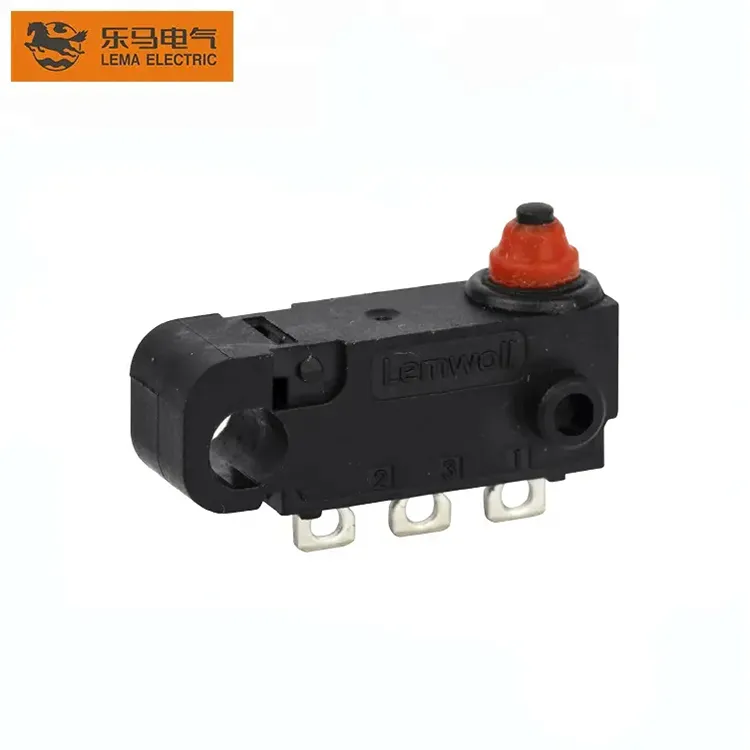
Model the installed route in CAD before freezing length. Include connector placement, service loop, grommet location, and minimum bend radius. Bottom exit can save height; side exit helps when the switch sits against a wall. Straight exit may suit a harness that leaves immediately toward a board.
Order length with tolerance, not a single “about” value. Too short forces sharp bends at the exit. Too long creates loops that snag during assembly or vibration testing. If a connector is factory-fitted, include keying and pinout on the RFQ.
- Measure the final route, then add a documented service loop.
- Select exit direction from enclosure clearance, not habit.
- Keep bend radius inside the supplier’s allowed zone.
- Mark NO/NC/common colors on the harness drawing.
Part 5. What strain-relief and assembly checks matter?
A corded switch fails early when the harness pulls on the exit. Add a tie point, clamp, or grommet so motion and vibration do not transfer into the lead joint. After service access, re-check that the cord was not pulled sideways against a sharp edge.
Validate the assembly with production brackets and connectors. Cycle the mechanism while watching contact behavior and inspecting the lead exit for abrasion. Use the site’s general micro switch procurement checklist for supplier audit items, then add cord-specific routing notes.
Part 6. What belongs in the RFQ and Fit Boundary?
RFQ input checklist
- Contact form, voltage, current, and load type
- Lead length, tolerance, gauge, and insulation system
- Exit direction, connector or bare ends, and color code
- Strain-relief method and minimum bend radius
- Environment and IP target, if any
- Annual volume, sample timing, and required documents
Fit Boundary
Corded micro switches suit OEM programs that can accept supplier-defined leads and validate routing in the final assembly. They are a poor fit when washdown sealing is required without an IP-validated assembly, or when technicians must routinely re-terminate conductors in a wet zone.
Part 7. How can LEMA support the inquiry?
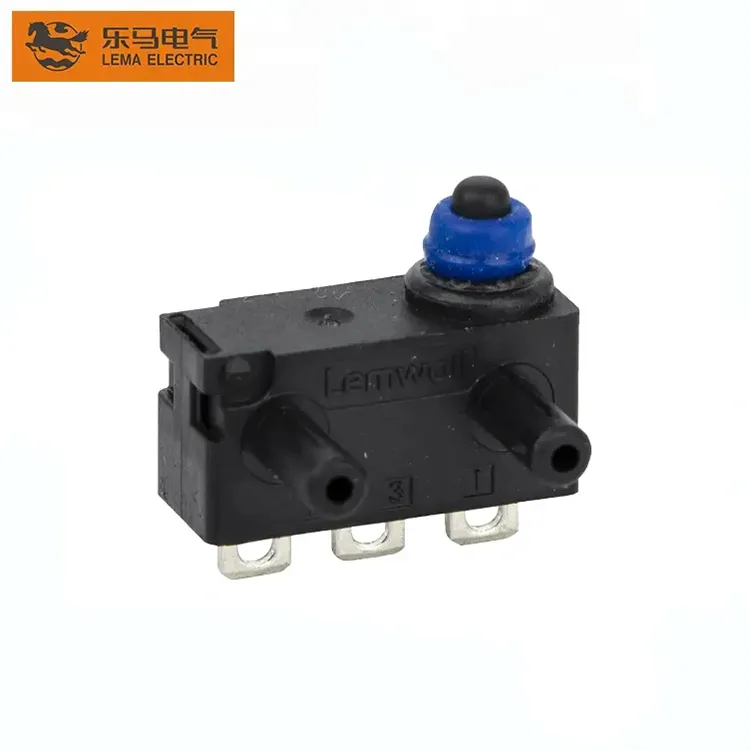
LEMA publishes compact micro-switch families for OEM inquiry. The SW10 series mini micro switch is a public starting point when a compact or sealed-capable package is under review. Confirm cord length, gauge, and IP scope only against the quoted model document.
Product recommendation: send the harness drawing, load, exit preference, and IP target to LEMA. Do not select a corded series solely from a marketplace label. If the application needs a proven sealed joint, use the IP67 harness path instead of assuming any corded part is sealed.
Browse the Micro Switch category or send a corded-switch RFQ.
FAQs
What is a micro switch with cord?
It is a micro switch supplied with a factory-attached lead or cable so the OEM can route the harness without a separate terminal block at the switch body.
How is it different from an IP67 cable switch?
A corded switch may or may not carry an ingress rating; IP67 describes a validated sealing level and must be confirmed on the selected model documentation.
What wire gauge should be specified?
Choose conductor size from the circuit current, length, insulation class, and routing constraints, then confirm it against the model wire specification.
How do you choose cord length and exit?
Set length and exit direction from the assembly routing drawing so the cable clears moving parts and reaches the connector without strain.
Does a corded switch need strain relief?
Yes. Protect the cable exit from pull, bend, and abrasion with the documented relief method or an approved equivalent in the harness design.
What belongs in a corded-switch RFQ?
Include circuit duty, wire gauge and length, exit direction, connector needs, mounting drawing, environment, volume, and sample timing.