
A custom micro switch quote is only as good as the inputs behind it. Suppliers quote fastest when the RFQ defines actuator geometry, terminal style, electrical duty, sealing, validation expectations, and volumes in one document. Missing fields turn into assumptions, and assumptions surface later as sample rejections.
Part 1. What does custom mean for a micro switch order?
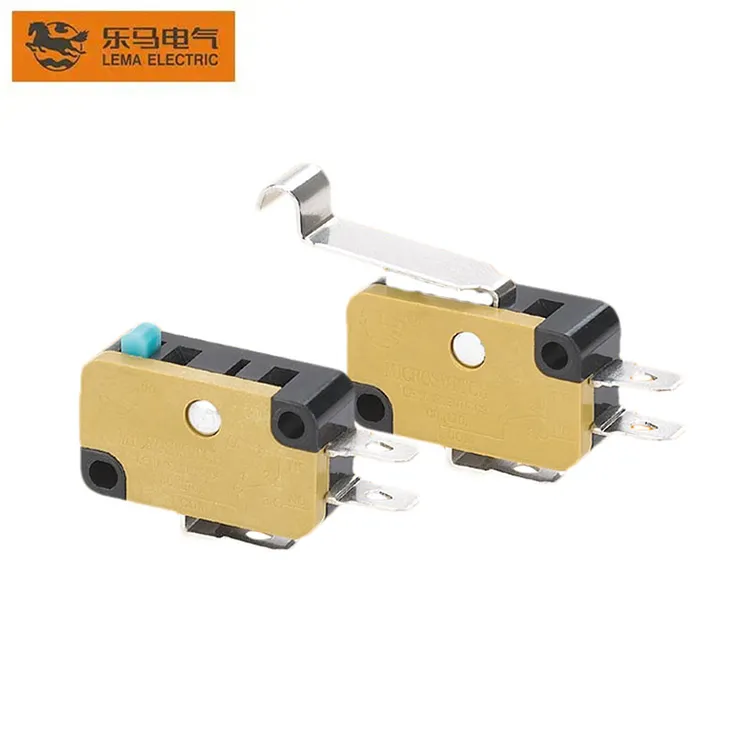
Custom rarely means a new mechanism from scratch. Most OEM requests combine a documented base series with a specific lever, terminal, lead, force option, or packaging arrangement. Framing the request this way keeps tooling cost down and shortens sampling.
| Request level | Typical content | Quote impact |
|---|---|---|
| Catalog option | Standard series code | Fastest sampling path |
| Configured option | Lever length, force, or terminal variant | Moderate engineering review |
| Tooled custom | New geometry or sealed assembly | Tooling plus a validation plan |
Browse the LEMA Micro Switch product line first so the RFQ references a real series family instead of a generic description.
Part 2. Which actuator inputs should the RFQ define?
Actuator geometry drives most configured orders. Record travel direction, available stroke, force budget, side-load risk, and the position in travel where the state change must occur.
A drawing beats a text description. Even a hand sketch with datum references removes most of the clarification loops that stretch quoting timelines.
Part 3. Which terminal and lead options need decisions?
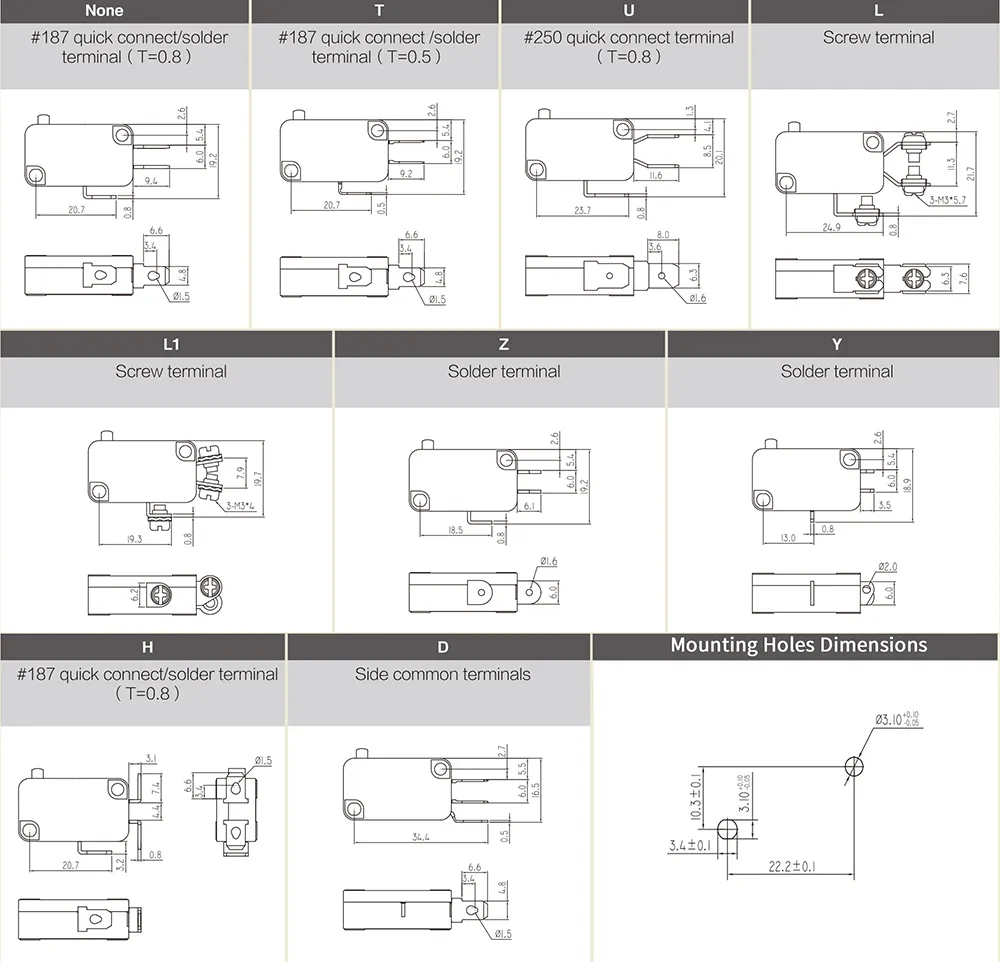
Terminal style decides the downstream assembly process: solder, quick-connect, screw, or board pins each carry different tooling and strain-relief needs. Map that choice to the harness plan in the terminal wiring review before fixing the RFQ.
If the switch should arrive with a factory-fitted lead, the cord-equipped switch checklist lists the lead fields a quote needs.
Part 4. How should contact duty and sealing be specified?
Electrical duty and sealing belong together, because both change the contact system and the housing. State voltage, steady current, load type, inrush, switching rate, and any ingress target with its test intent.
| RFQ field | Weak version | Strong version |
|---|---|---|
| Load | A bare current number | Voltage, load type, and inrush together |
| Sealing | The word waterproof | Ingress class plus cleaning or immersion context |
| Life | A long-life adjective | Operations target with the electrical duty stated |
Part 5. How do volumes and sample stages shape the quote?
Volume and staging change the commercial answer more than buyers expect. A pilot of five hundred pieces is quoted differently from a running rate of fifty thousand per year, and the supplier needs both numbers to propose tooling and inspection levels.
- State pilot, ramp, and steady annual volumes separately.
- Ask for sample lead time in calendar days per stage.
- Agree which tests gate approval of first articles.
- Note packaging, labeling, and traceability expectations.
Part 6. What belongs in the RFQ package and Fit Boundary?
RFQ input checklist
- Function and required contact state
- Actuator drawing with travel, force, and side-load notes
- Terminal or lead specification with the harness interface
- Voltage, current, load type, inrush, and switching rate
- Environment, ingress target, and cleaning exposure
- Pilot and annual volumes with sample timing
Fit Boundary
This checklist organizes a custom inquiry. It does not promise feasibility, price, tooling scope, or any model-level rating; those come from the supplier’s engineering response.
Part 7. How can LEMA respond to a custom inquiry?
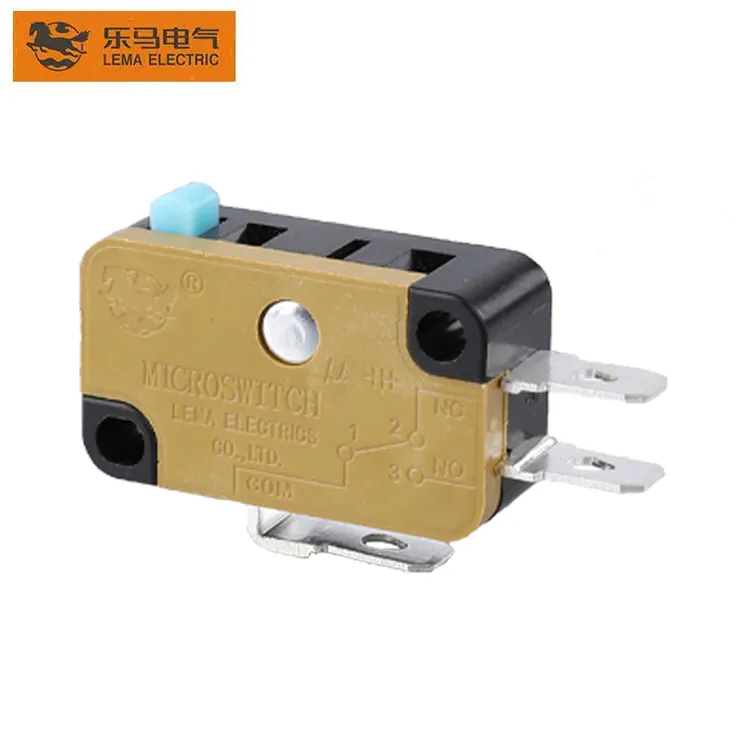
Send the package to a supplier that already builds the base family. The KW7N series micro switch page is a public LEMA route for a configured-switch inquiry.
Product recommendation: request an engineering response against the completed checklist above. Quoting from a part photo or a competitor code leaves every critical field open.
Send an OEM switch RFQ when the document is complete.
FAQs
What should an OEM custom micro switch RFQ include?
Include function, actuator drawing, terminal or lead specification, electrical duty with inrush, environment and sealing, volumes, and sample timing in one document.
Do custom micro switches always need new tooling?
No. Many requests are configured options of an existing series; tooling applies mainly when geometry or sealing genuinely changes.
How long does micro switch sampling usually take?
Lead time depends on whether the request is a catalog option, a configured variant, or tooled custom work, so ask for calendar-day estimates per stage.
Should the RFQ state a target price?
A target band with volumes helps the supplier propose the right construction level instead of quoting blind.
What causes custom switch samples to be rejected?
Undocumented travel or force expectations, load conditions that were never written down, and harness interfaces that changed after quoting are the usual causes.
Which volumes matter in a custom switch quote?
Pilot quantity, ramp plan, and steady annual rate all matter, because they set tooling, inspection, and packaging decisions.