Limit Switch Icing: Separate Cold Ratings from Frozen Actuator Behavior
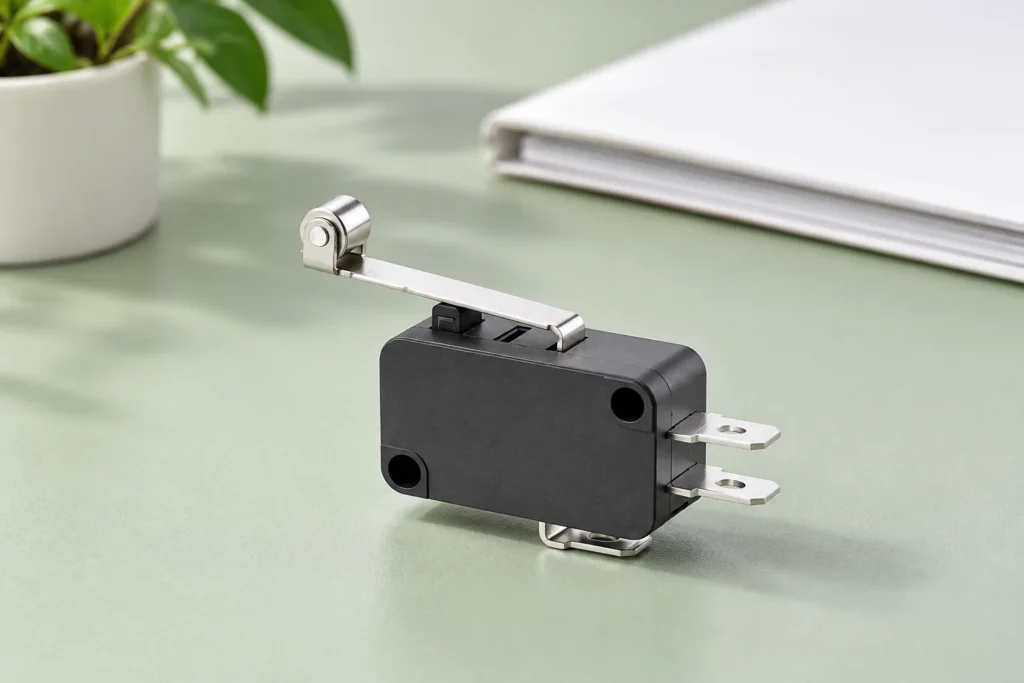
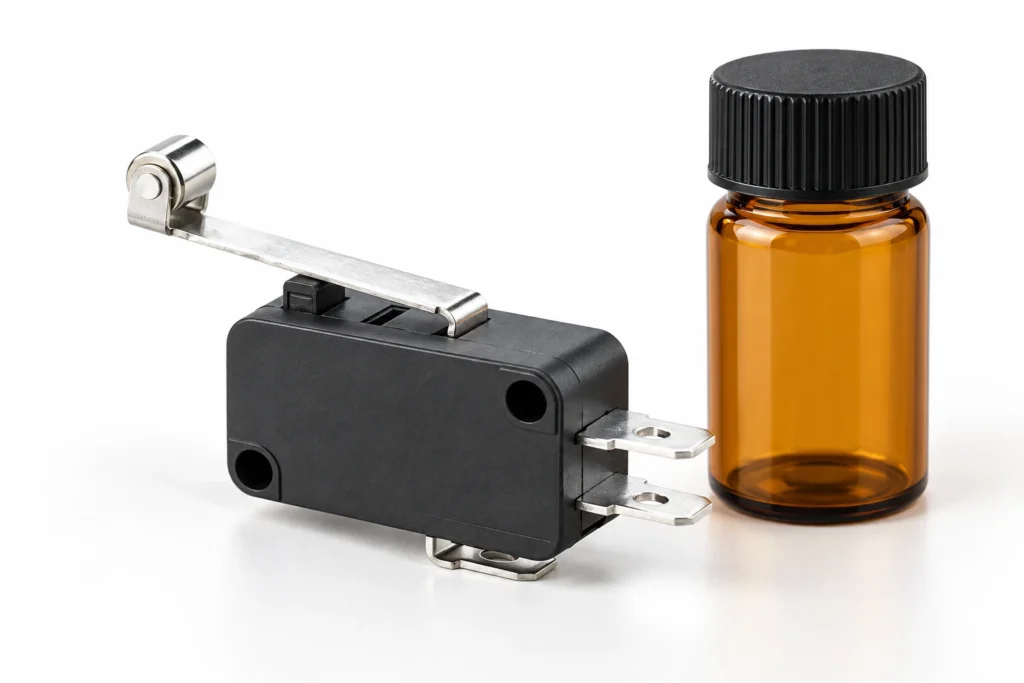
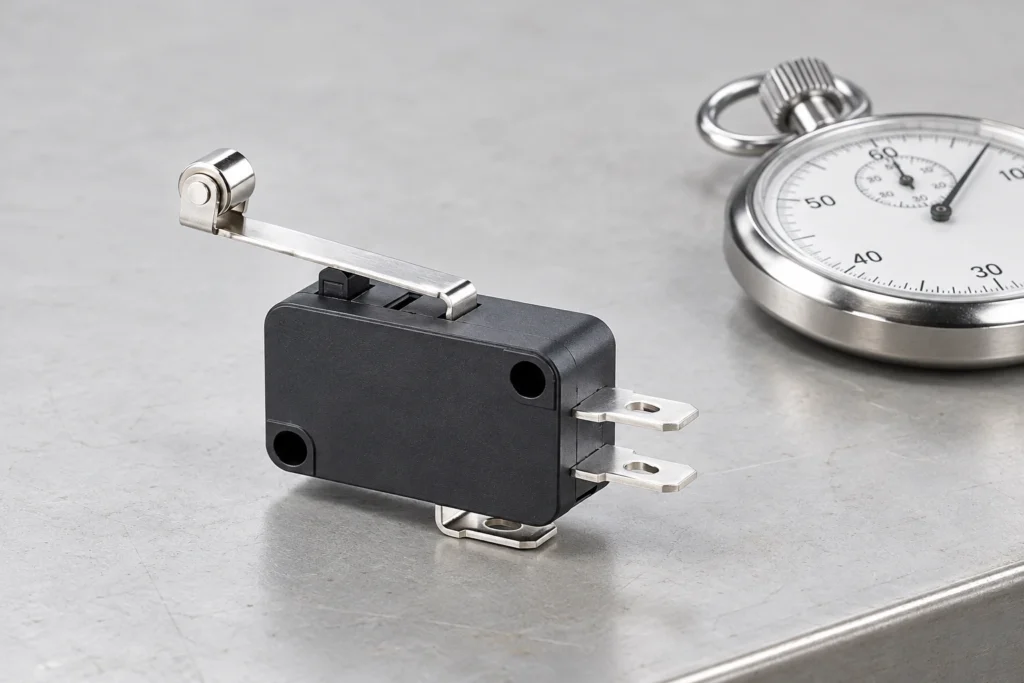
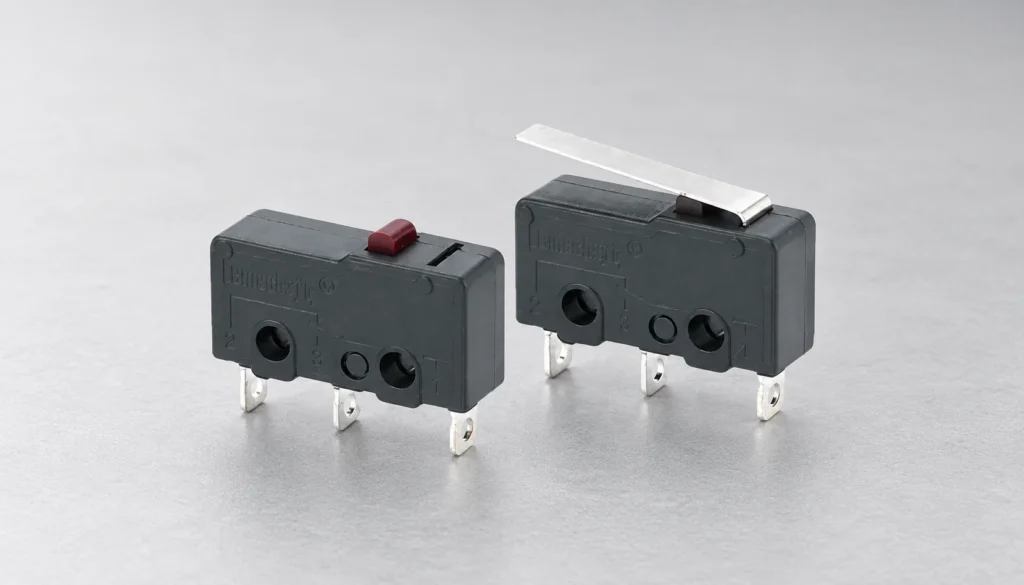
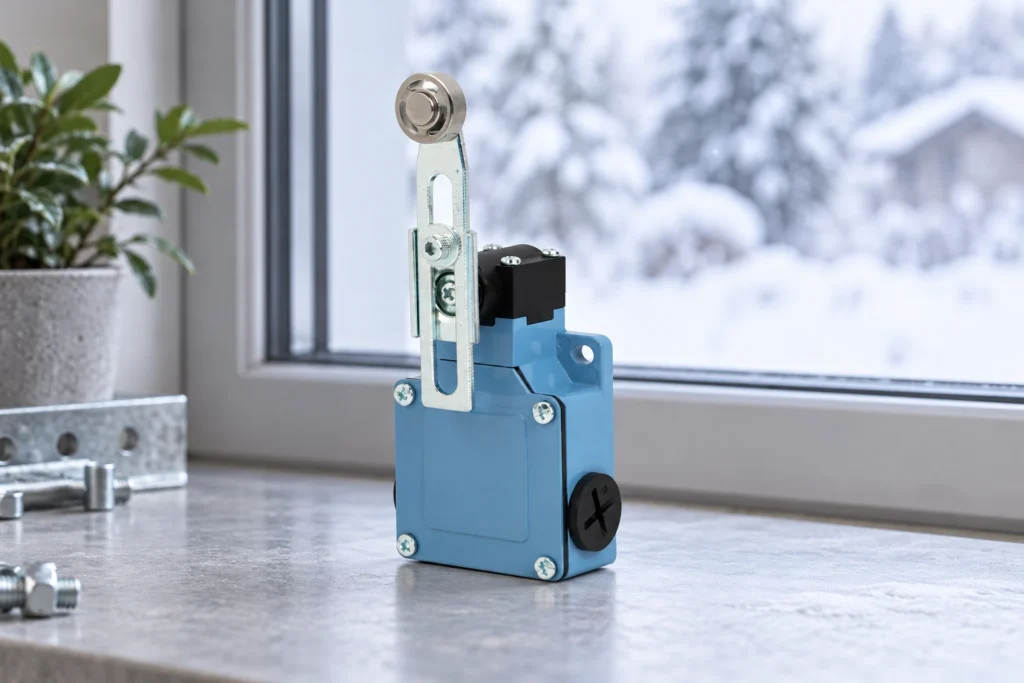
Limit switch icing must be reviewed separately from a published low-temperature limit or an ingress rating. A switch may remain within a stated ambient range while external ice prevents the roller, lever or machine target from moving as intended. Define the cold and moisture sequence, review the exact product documentation and verify the installed mechanism under representative conditions. For the LEMA LZ1 family, this guide provides application questions only. It assigns no freezing-weather rating, ice resistance or guaranteed return behavior to a particular LZ1 variant and does not authorize use outside its documented conditions. Describe how ice could reach the mechanism Begin with the installation rather than a generic winter label. Is the switch outdoors, near a cold doorway or inside equipment that changes temperature? Can water reach the actuator, target or bracket? Does the machine remain idle between cycles? The exposure sequence may be more important than the lowest weather forecast because ice formation depends on the local conditions and available moisture. The Met Office explanation of freezing rain describes one way liquid water can form ice on surfaces. It provides environmental background, not a switch test specification. An installation may also have other moisture sources or freezing sequences. Identify the conditions relevant to the actual equipment rather than assuming that every cold-weather problem is freezing rain. Record differences between operating and idle states. A moving machine may expose a different part of the actuator from a parked machine. A cover can protect one direction while allowing water from another. Photographs and an installation sketch can make those assumptions clear, but they do not establish resistance without the appropriate product evidence and verification. Dry LZ1 actuator in a winter-scene...
Leer más