10A vs 15A IEC Inlet: Compare Approval and the Complete Power Path
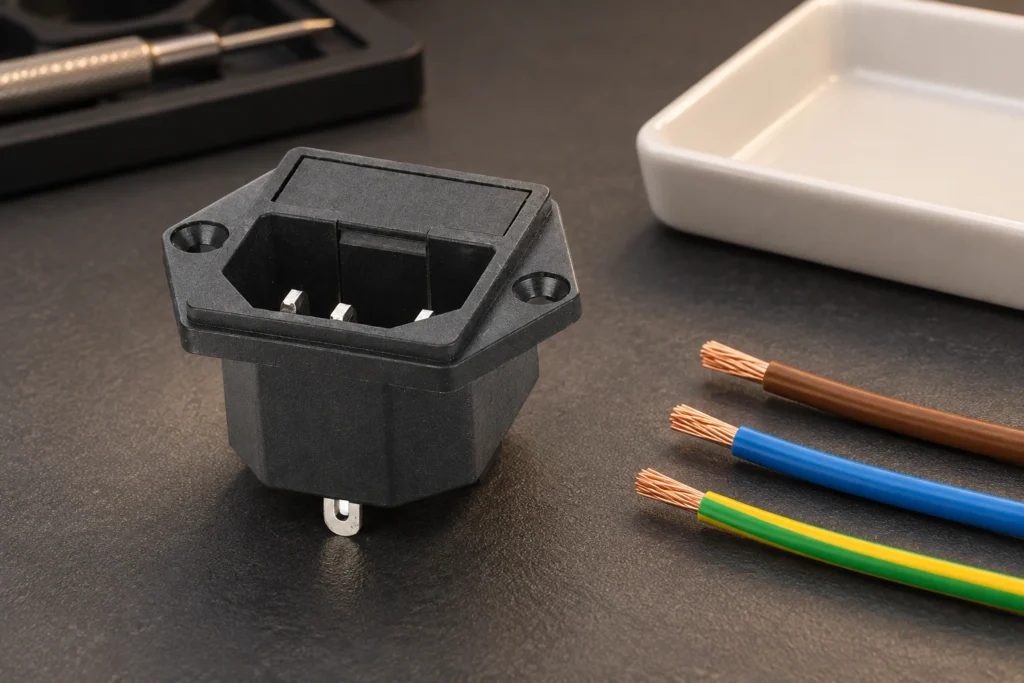
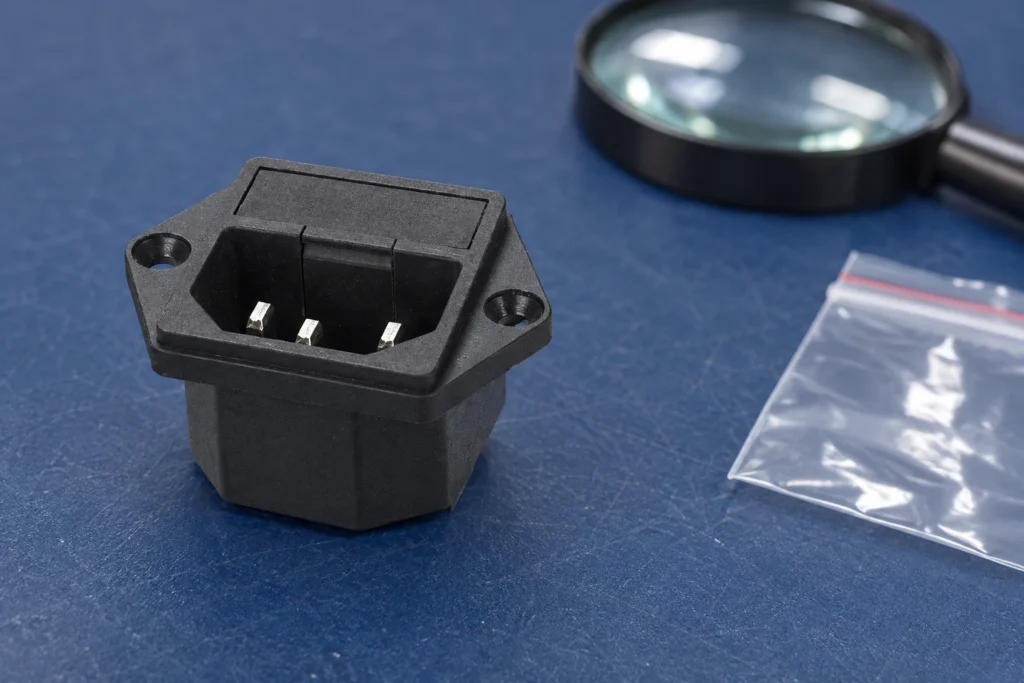
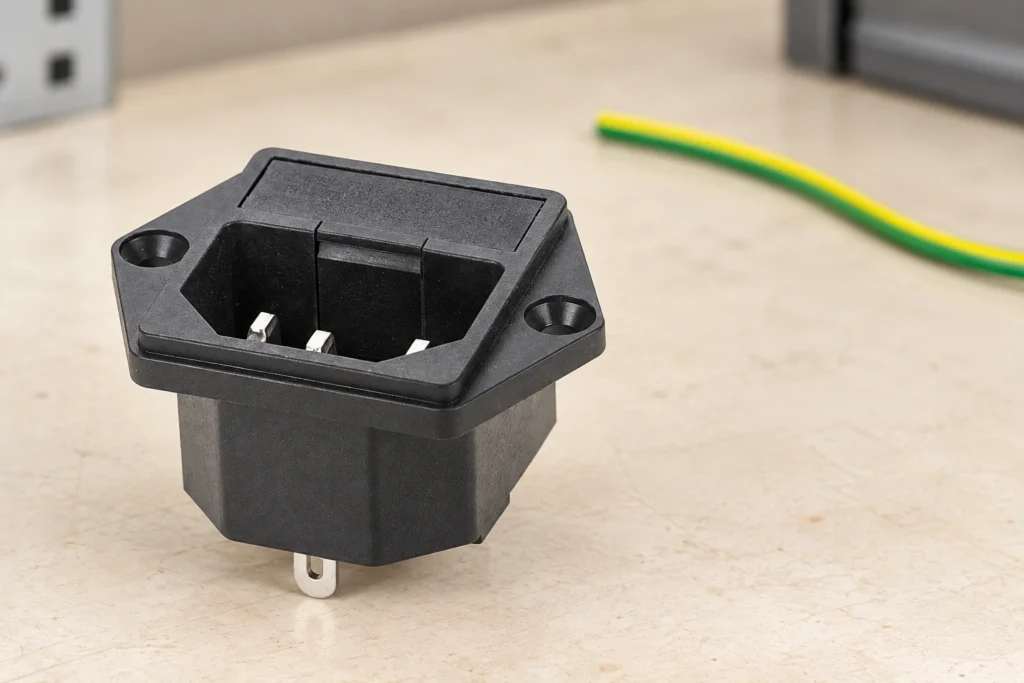
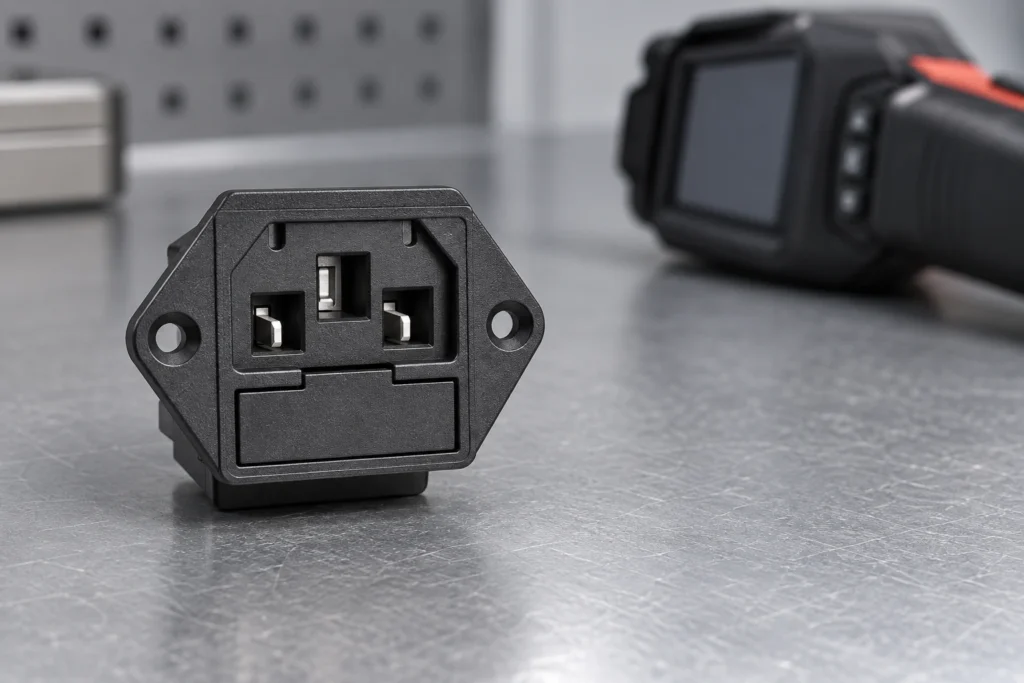
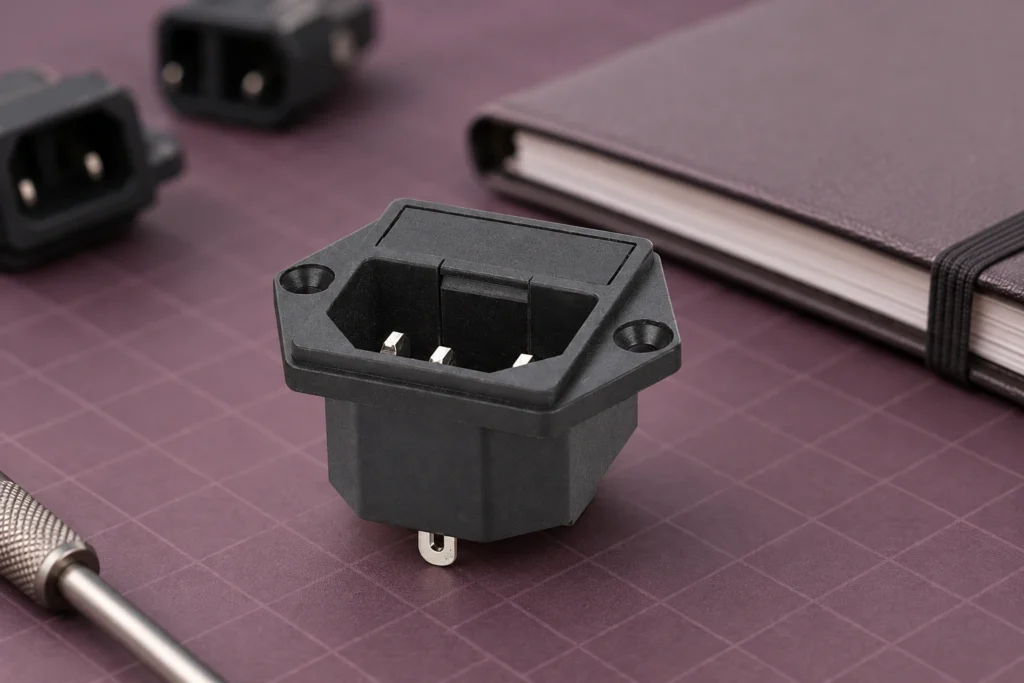
A 10A vs 15A IEC inlet comparison must start with the exact component approval, its voltage and its intended market. Two numbers on a catalogue page do not necessarily describe two physically different products, and a higher number does not automatically increase the permissible load of the complete equipment. Identify which rating applies to the purchased variant and the matching cord set. Then check the internal wiring, terminals, protective devices and equipment requirements. This guide explains that decision process without assigning a regional current rating or certification to an inlet based on its photograph. It is intended for equipment designers, purchasing teams and competent service personnel. The illustrated LEMA inlet provides a product reference for discussing mounting and identity; it is not an approval certificate. Any live measurements or equipment modifications require qualified personnel following an approved procedure. This article concerns detachable equipment power interfaces rather than replacing domestic wall outlets. Read the rating together with its approval context A useful rating record includes more than amperes. Record the manufacturer, exact order code, voltage, applicable approval scheme, temperature conditions, terminal version and any installation conditions. When a supplier lists both 10A and 15A, ask whether the values come from different certification evaluations or refer to different variants. Do not combine a current from one line with a voltage from another to create a rating that was never declared. The IEC 60320-1 catalogue entry identifies the standard family for appliance coupler general requirements. That entry establishes the subject of the standard, not the approval of a particular purchased inlet. The related standard sheets and the product's certification documents provide the details needed for a specific comparison. Keep the edition used in...
Read More