Micro Switch Magnetic Field Exposure: Separate Mechanical Contacts from Magnetic Sensors
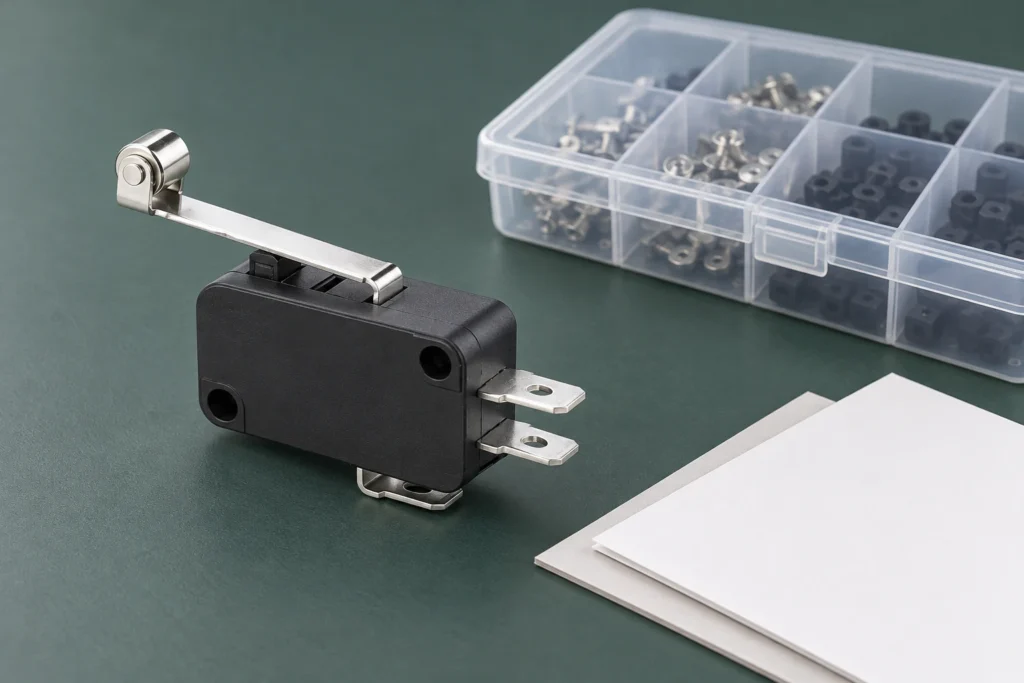
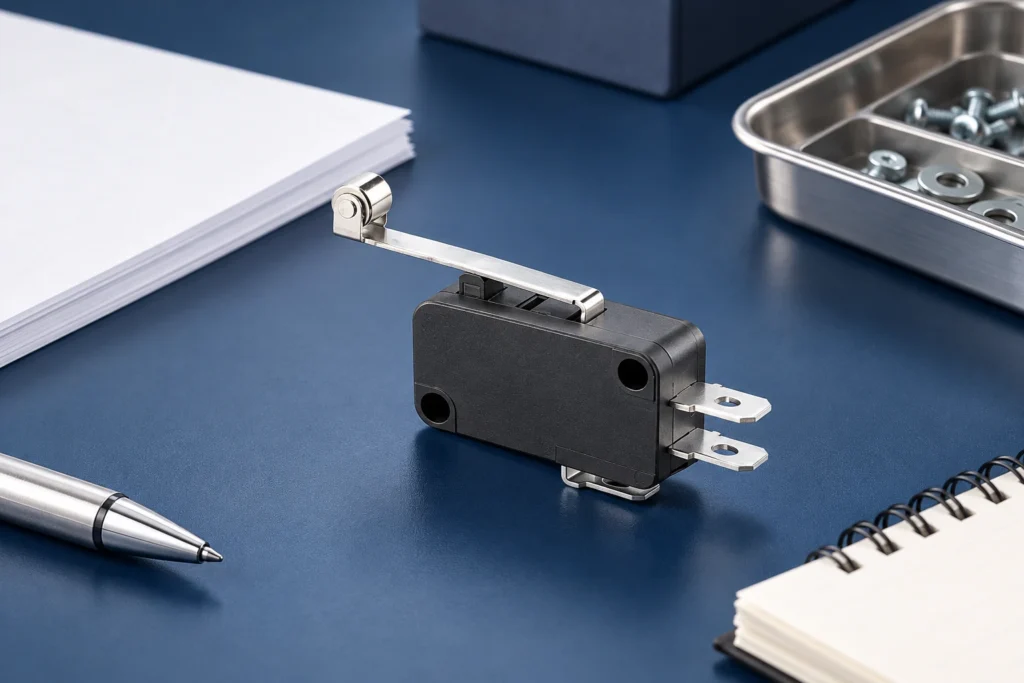
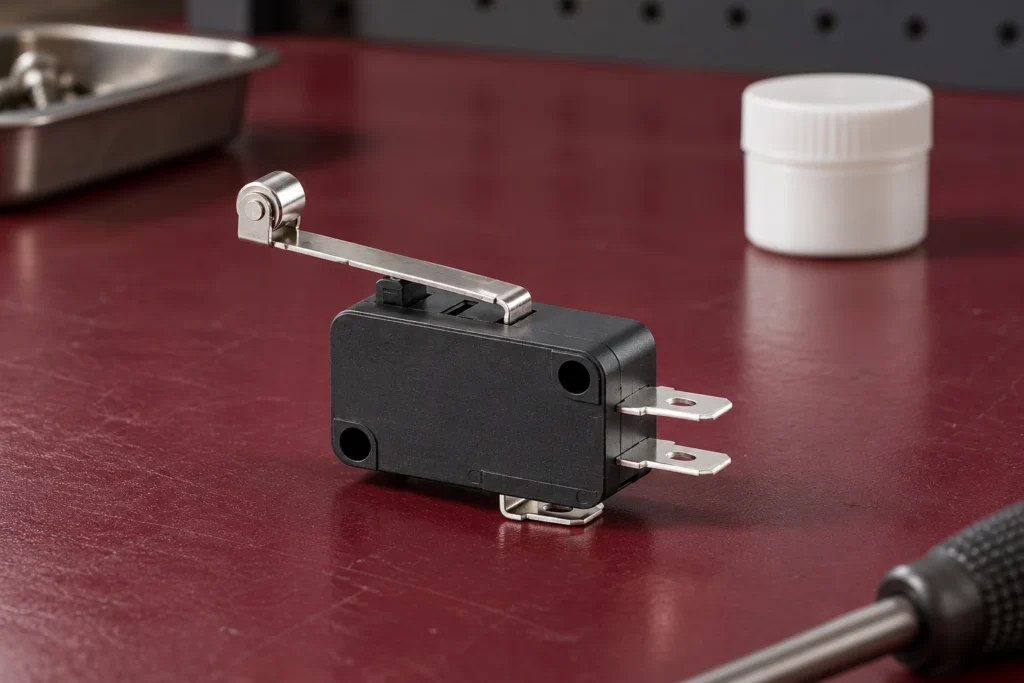
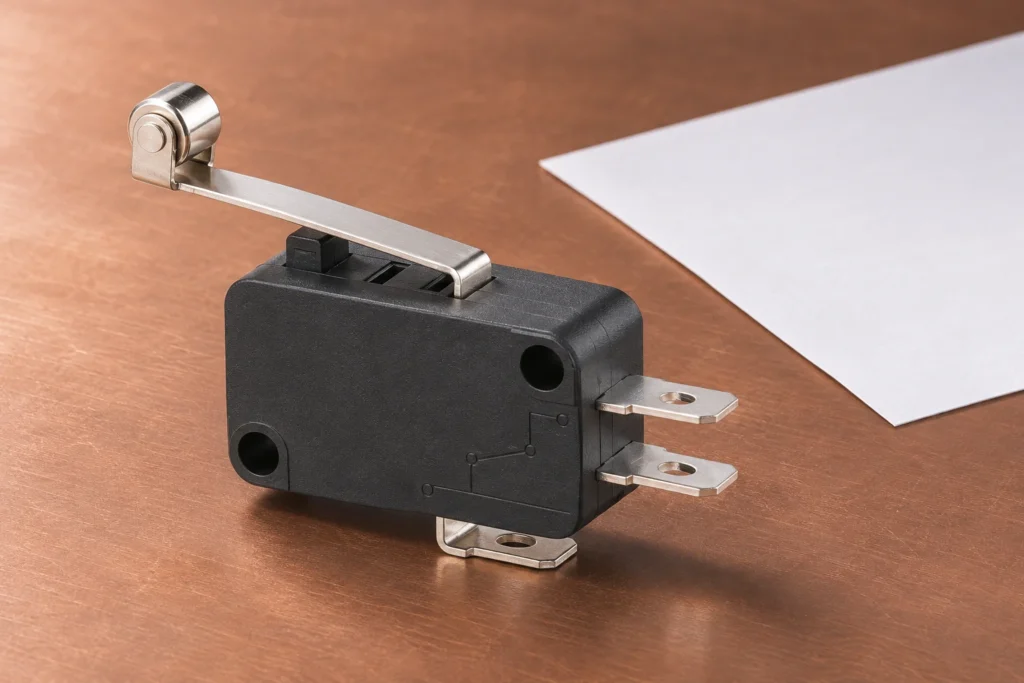
Micro switch magnetic field exposure should be reviewed using the exact switch construction, field conditions and required switching behavior. A mechanically operated snap-action switch is not automatically a reed switch or Hall sensor, but that distinction does not establish immunity to an external magnetic field. For equipment near magnets, obtain applicable supplier evidence and assess the complete assembly. Do not infer a safe field limit from the current rating, housing material or a photograph. This guide explains how an OEM buyer can turn a vague “magnet resistant” request into a traceable component review without assuming an unverified product qualification. Identify the switching mechanism first The KW7 Series Micro Switch provides a real mechanical product reference: the website shows plunger and lever configurations with electrical terminals. Those visible features help identify the component family, but they do not disclose every internal material. Ask for the exact ordering code, actuator configuration, terminal arrangement and relevant construction information. Keep the purchased configuration attached to the inquiry rather than sending a generic picture of a similar switch. A reed switch is intended to respond to a magnetic field. A Hall sensor uses a different sensing principle and associated circuitry. A mechanically actuated microswitch changes contact state through physical actuator movement. Confusing those categories can send a purchasing team toward an irrelevant sensitivity specification. Conversely, calling a component mechanical does not prove that all its parts are nonmagnetic or that every operating characteristic remains unchanged near a magnet. Start the specification with the required machine function. Is the switch detecting a door position, confirming a mechanism endpoint or reporting a manual action? Record which contact state is required at each mechanical position. This makes the...
Leer más