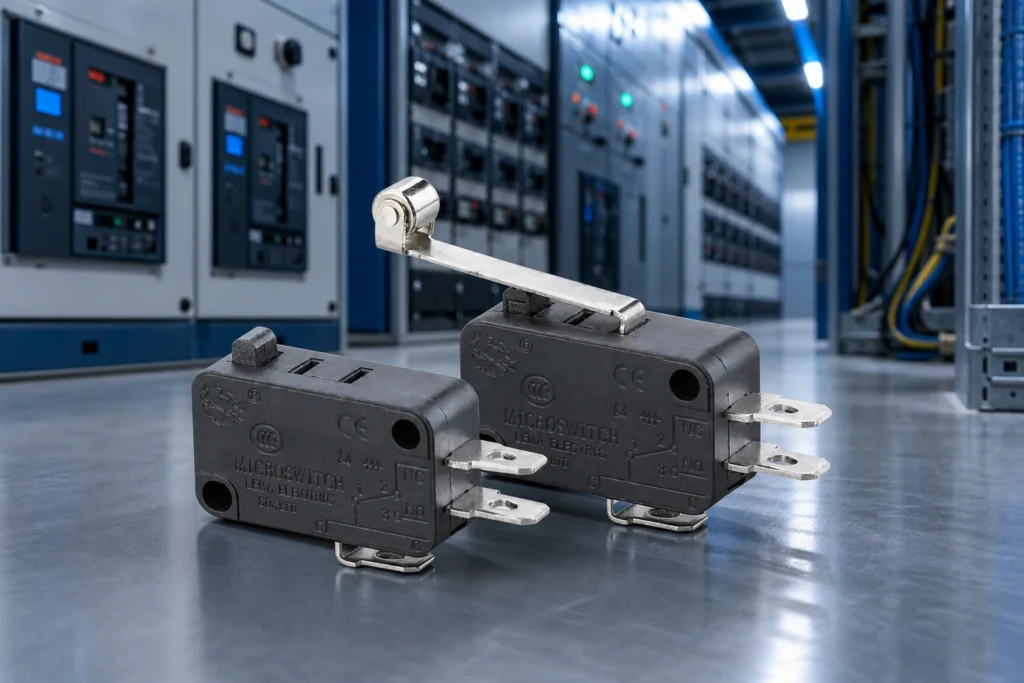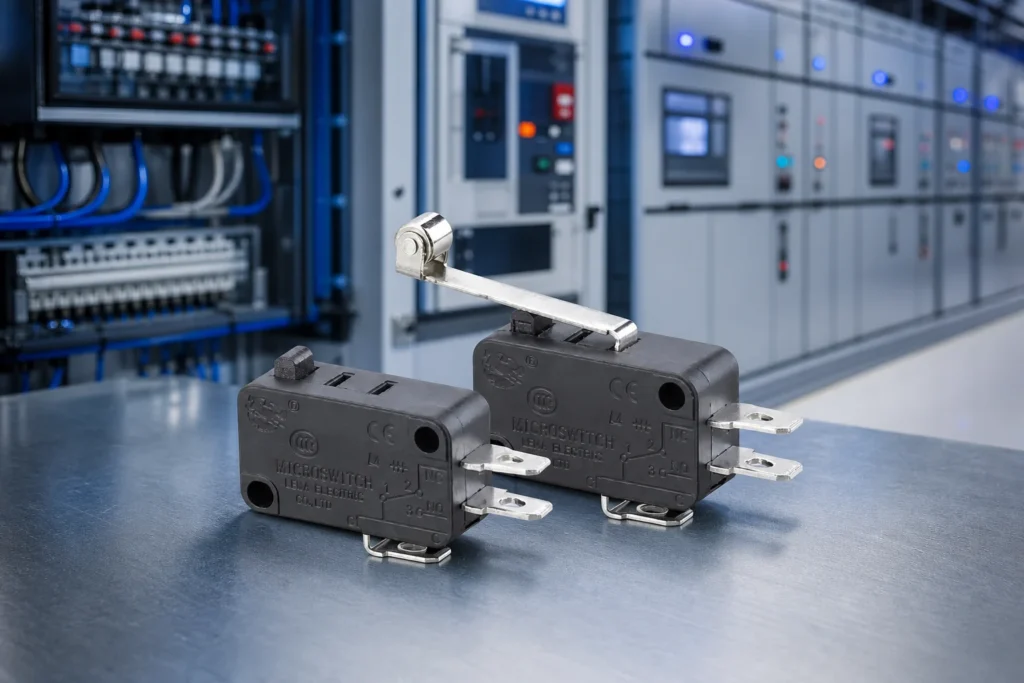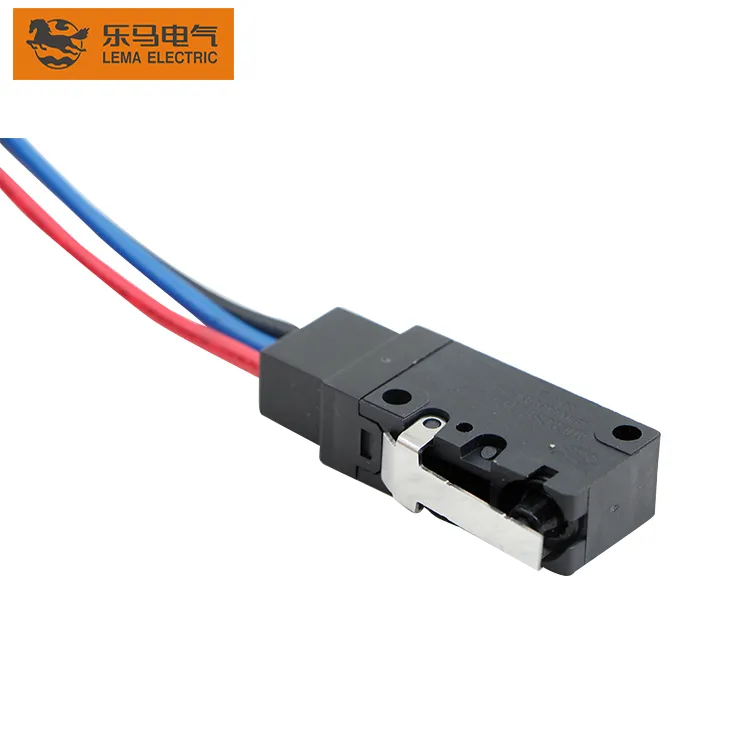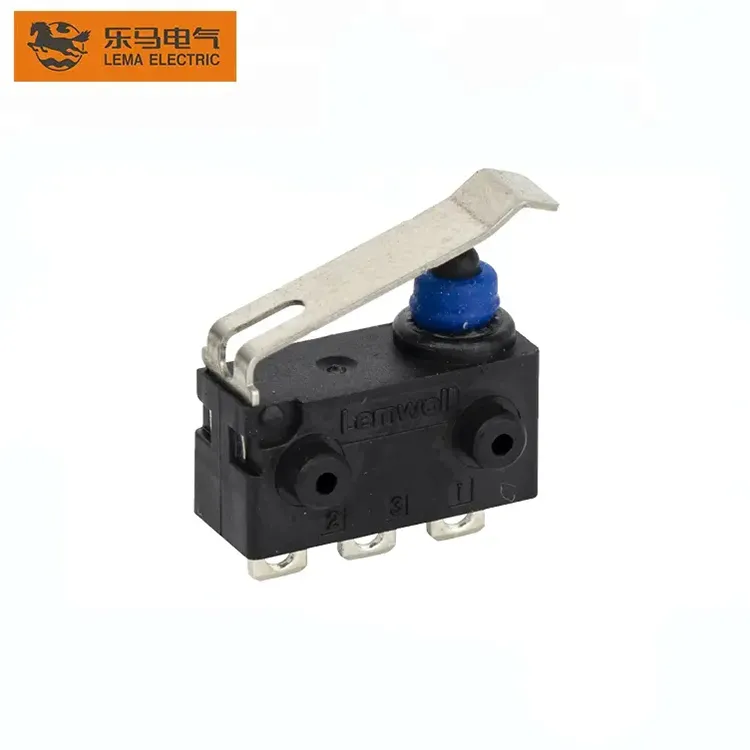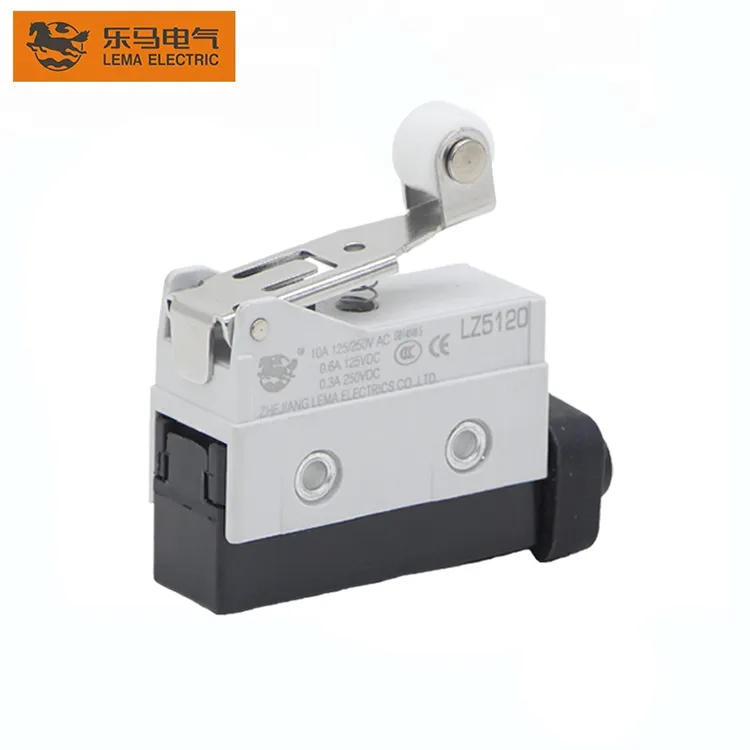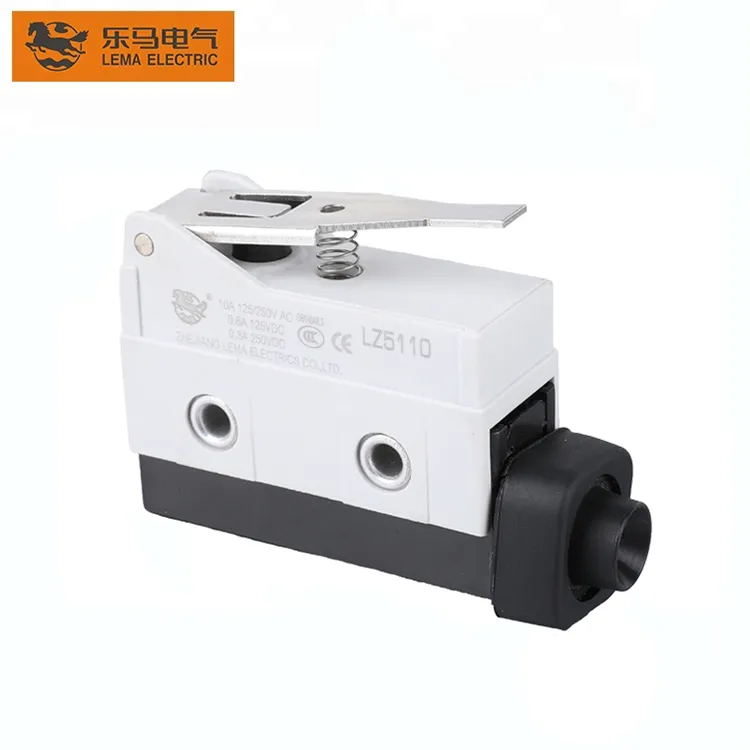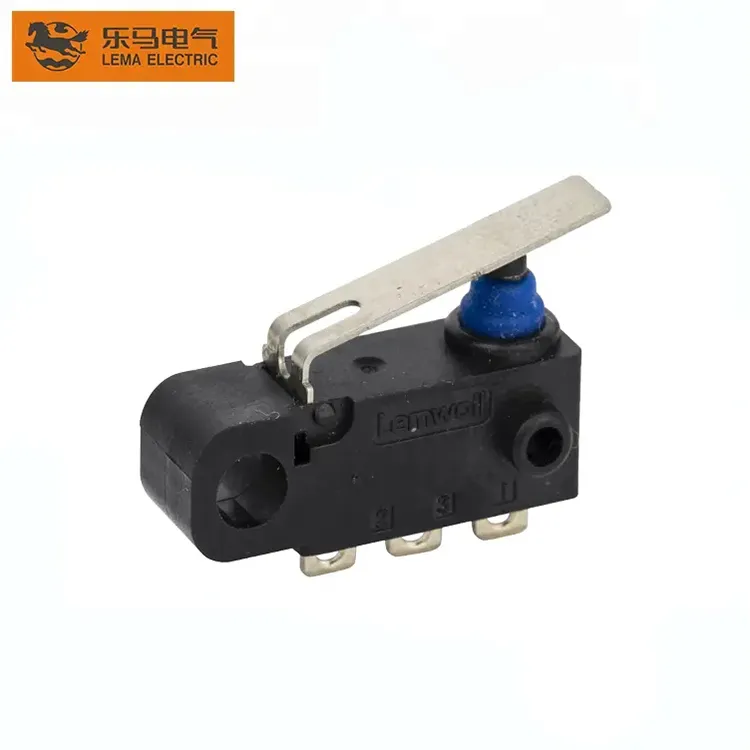
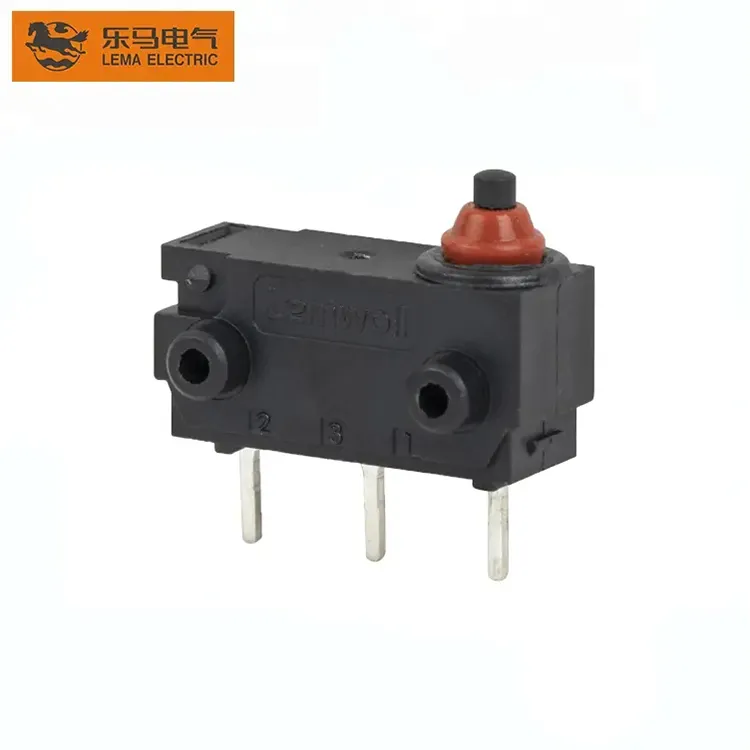
Sélectionner un microrupteur avec câble pour les assemblages OEM
A micro switch with cord is a snap-action switch supplied with factory-attached leads so OEM teams can route wiring without soldering every terminal in the field. Specify length, gauge, exit direction, contact rating, and strain relief before approving the harness. Corded convenience is not the same as an IP67 sealed cable assembly. ContentsPart 1. What is a micro switch with cord?Part 2. How does it differ from an IP67 sealed cable switch?Part 3. Which electrical fields define the cord?Part 4. How should length and exit be chosen?Part 5. What strain-relief and assembly checks matter?Part 6. What belongs in the RFQ and Fit Boundary?Part 7. How can LEMA support the inquiry?Part 1. What is a micro switch with cord? A corded micro switch arrives with leads already attached to the switch terminals or potted exit. The OEM routes those leads to a connector, terminal block, or control board. The goal is faster assembly and fewer field wiring mistakes—not an automatic environmental rating. Define the function of the cord before selecting a series. Ask whether the leads carry signal current or a power load, whether color coding must match the schematic, and whether the exit must clear a bracket or gasket. The cord is part of the component, so cutting or re-terminating it can change both electrical and mechanical behavior. RFQ fieldWhy it mattersTypical mistake Lead length and toleranceRouting and connector placementOrdering the shortest length, then bending sharply Wire gauge and insulationMust match load and temperatureCopying a catalog AWG without load review Exit directionClearance to walls and grommetsChoosing bottom exit when side routing is required Connector or bare endsFactory crimp versus customer terminationAdding a connector without revalidation Use the LEMA Micro Switch...
Lire la suite