IP-Bewertung für Fußschalter für nasse und staubige Arbeitsbereiche
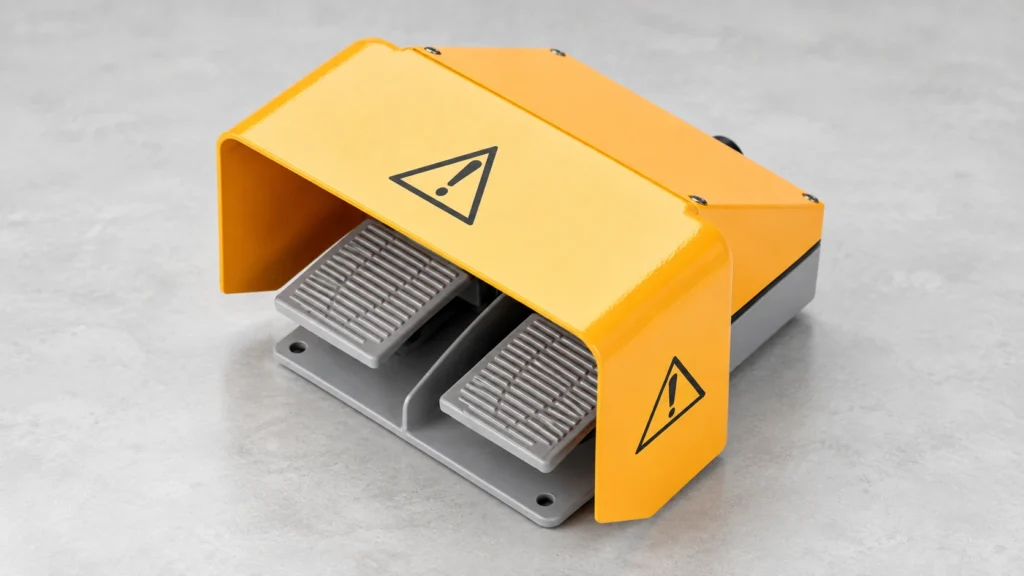
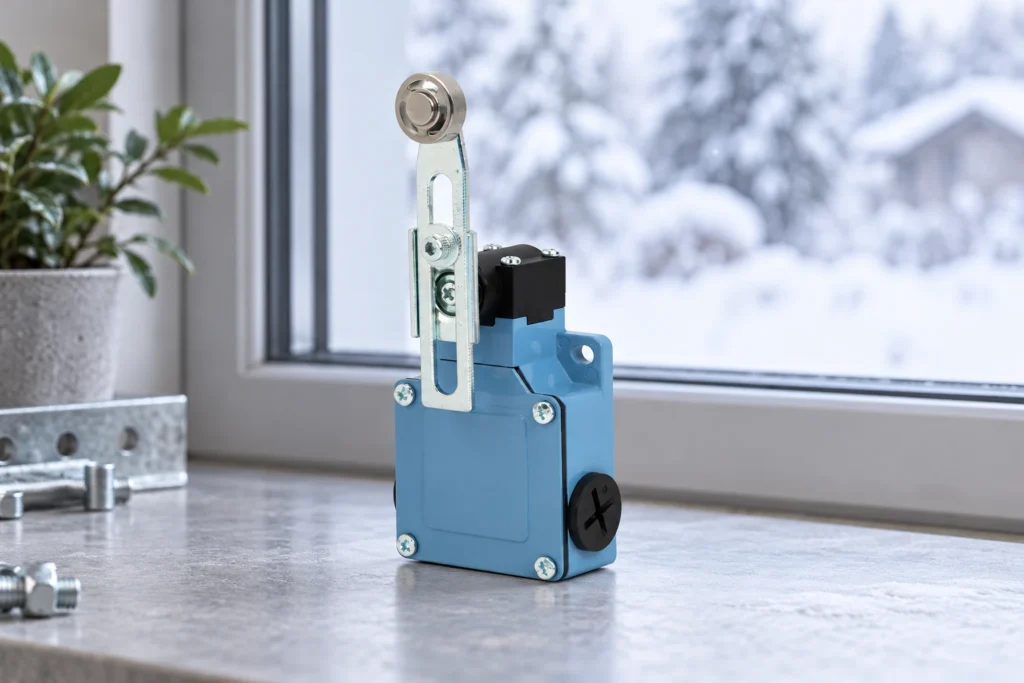
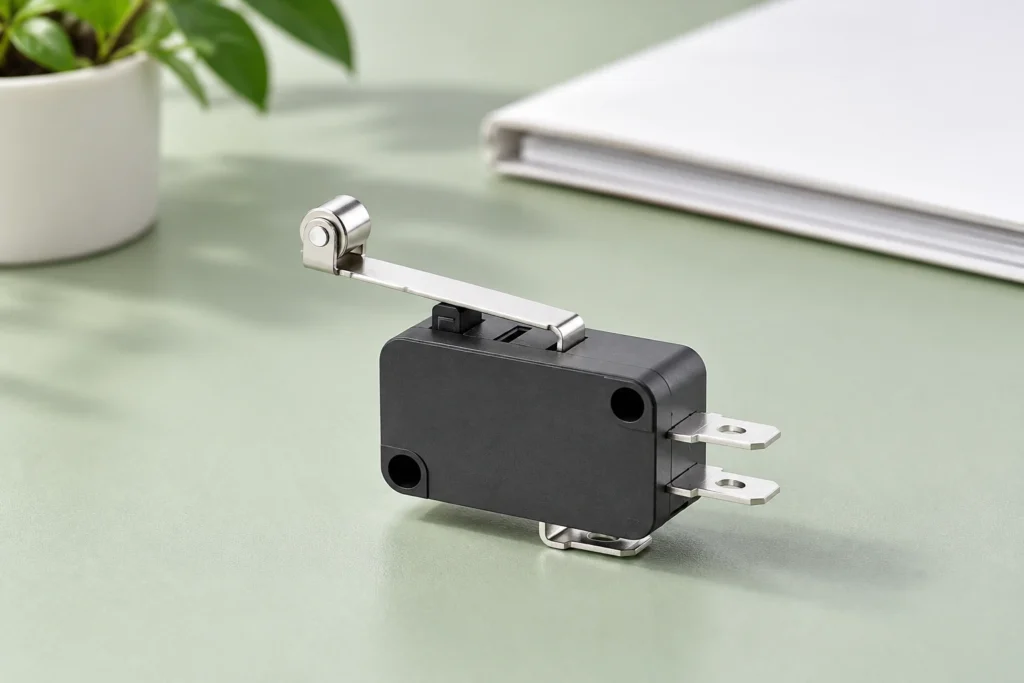
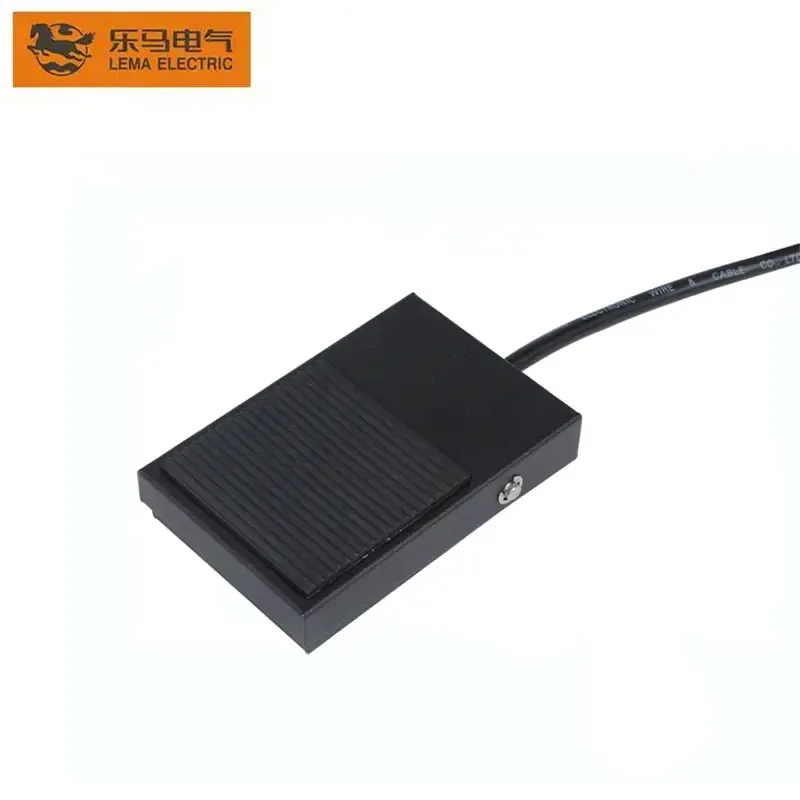
Der richtige Fußschalter sollte aus der kompletten installierten Anlage ausgewählt werden, nicht anhand eines Produktfotos oder der Bezeichnung “wasserdicht”. Die entsprechende IP-Schutzart gilt nur für die genaue getestete Gehäuse-, Kabel- und Anschlussart sowie die Betriebsanforderungen. Wasserdüsen, stehendes Wasser, Metallstaub, Öl, waschbare Chemikalien und Außenkondensation stellen unterschiedliche Gefährdungen dar. Definieren Sie die Kontaminanten und die Reinigungsmethode zunächst, bevor Sie den IP-Code des Schalters, seine Montageposition, die Kabelabwicklung und den Wartungsplan überprüfen. Diese Anleitung erklärt, wie man einen Fußschalter für nassen und staubigen Einsatzbereich einrichtet. Die Bilder der LEMA LF-Serie bieten reale Produktbeispiele, jedoch wird aus dem Erscheinungsbild keine Bewertung abgeleitet. Bitte fordern Sie das kontrollierte Datenblatt und die Testnachweise für das genaue Modell an. IP-Schutzgrad auf einen Blick UmweltthemaWarum es wichtig ist Beweise einholen Gemeinsame Fehler Staubtyp und -menge Feinfeinstaub unterscheidet sich von grobem Trockensand. Der genaue erste IP-Zahl und der Prüfbereich Die Bezeichnung „dustproof“ bezeichnet eine Schutzart. Wasserquelle Tropfen, Sprühstrahlen und Eintauchen sind getrennte Prüfungen. Zweiter IP-Zahl, Ausrichtung und Dauer Alle Wassereinlagerungen werden als gleichwertig behandelt KabelausgangDer Einlauf beginnt oft an der Klemme oder dem Stecker. Kabeldurchmesserbereich und Montageanweisung Die Bewertung des Pedals, nicht jedoch der Kabelbaugruppe. Reinigungsmittel. Kompatibilität wird nicht allein durch IP bestimmt. Material- und Chemikalienbeständigkeit. Angenommen, Desinfektionsmittel ist ungefährlich. Mechanische Beschädigungen. Risse und Stöße zerstören Dichtungen. Prüfungsstandards und Ersatzlimits. Was die beiden IP-Zegel bedeuten: Die erste Ziffer beschreibt die Schutzart gegen den Zugang zu gefährlichen Teilen und festen Fremdkörpern. Der zweite beschreibt den Schutz vor Wasser unter bestimmten Laborbedingungen. Hohe Ziffern sind keine universelle Garantie für alle Kontaminanten, Druck, Chemikalien oder Installationen. Die Erklärung der IEC zu den IP-Ratings bietet die offizielle Rahmenbedingungen; Kaufentscheidungen sollten die geltenden IEC-Richtlinien berücksichtigen...
Mehr lesen