Hydraulic Cylinder Limit Switches: Position Feedback and Control
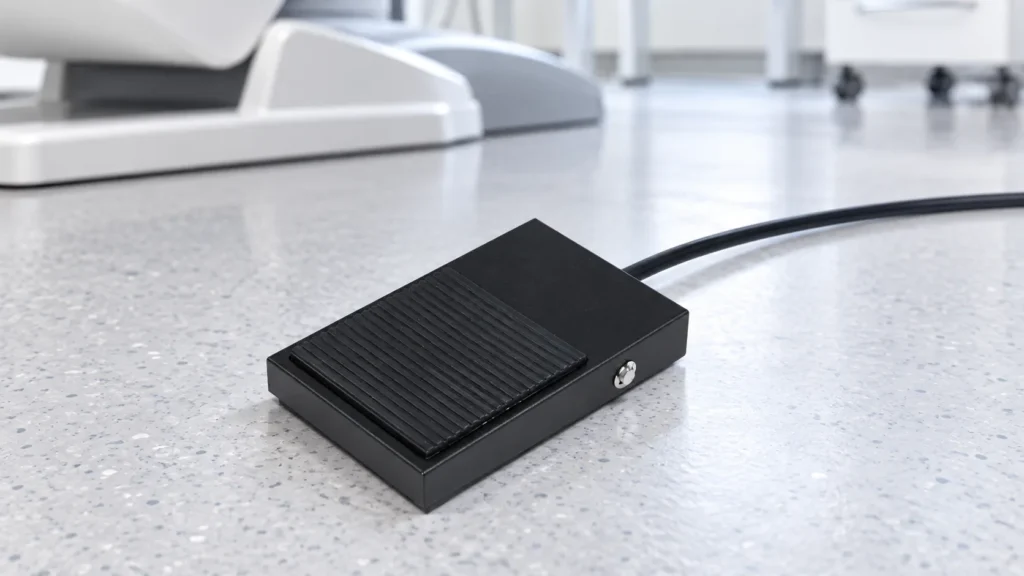
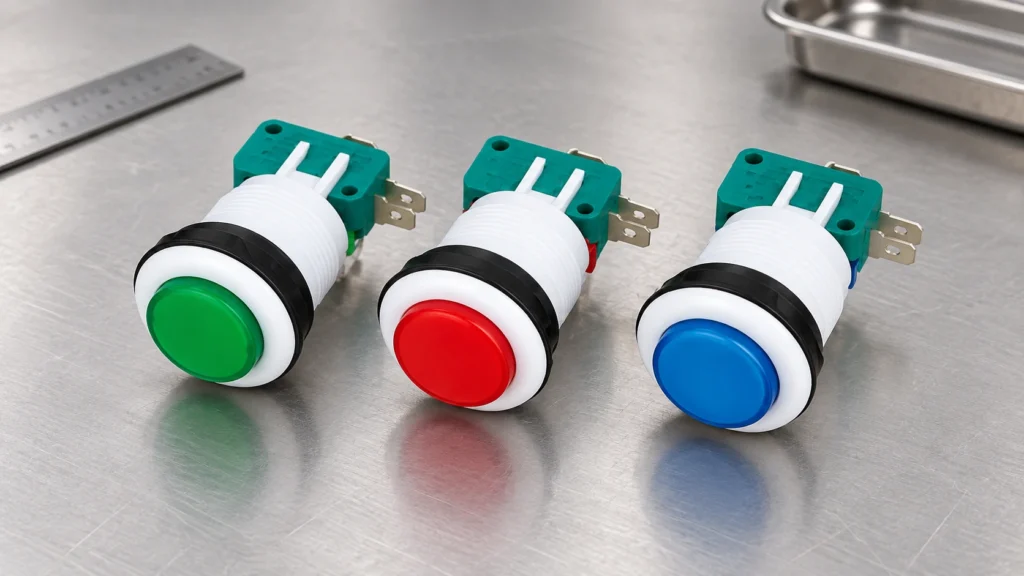
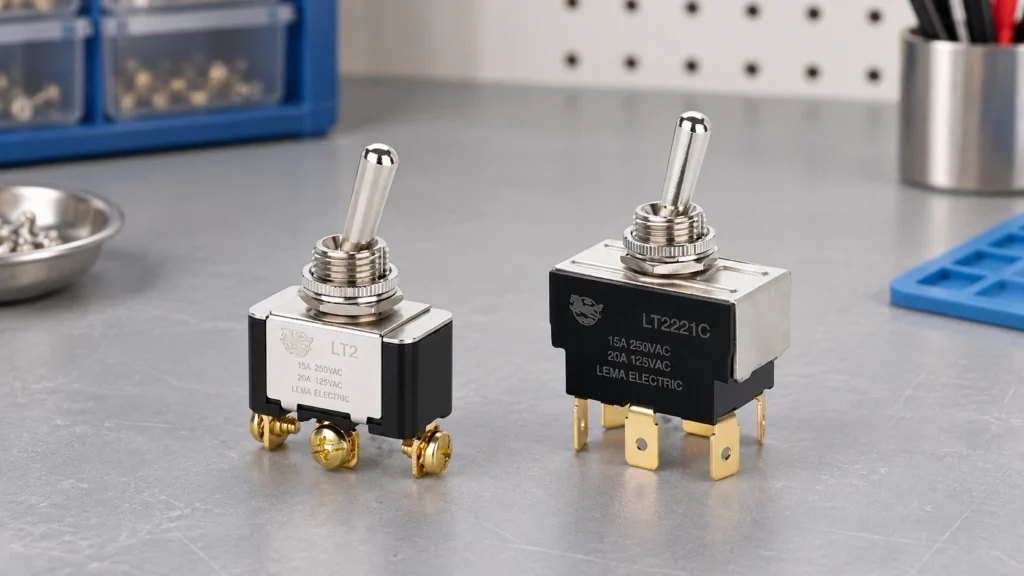
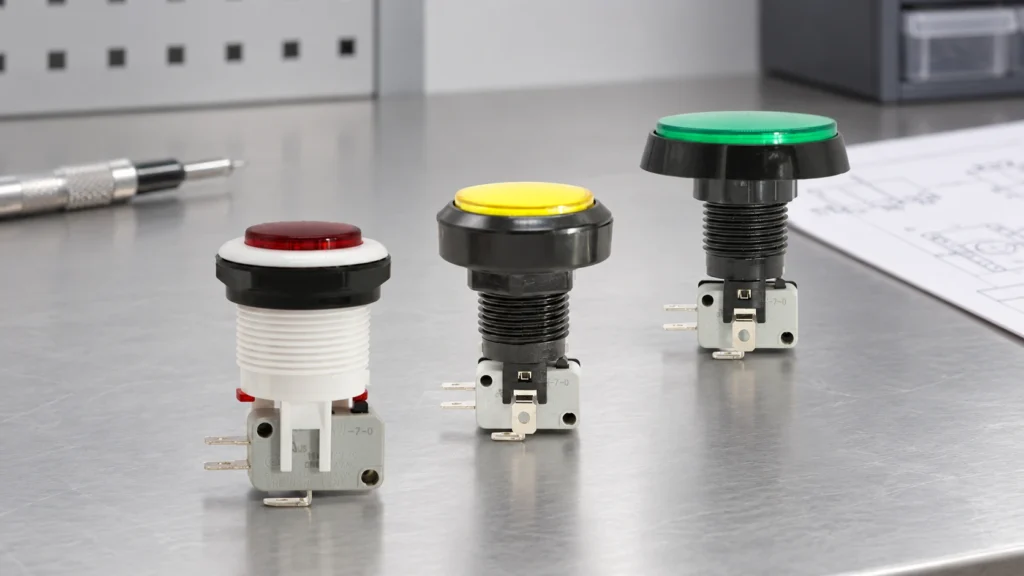
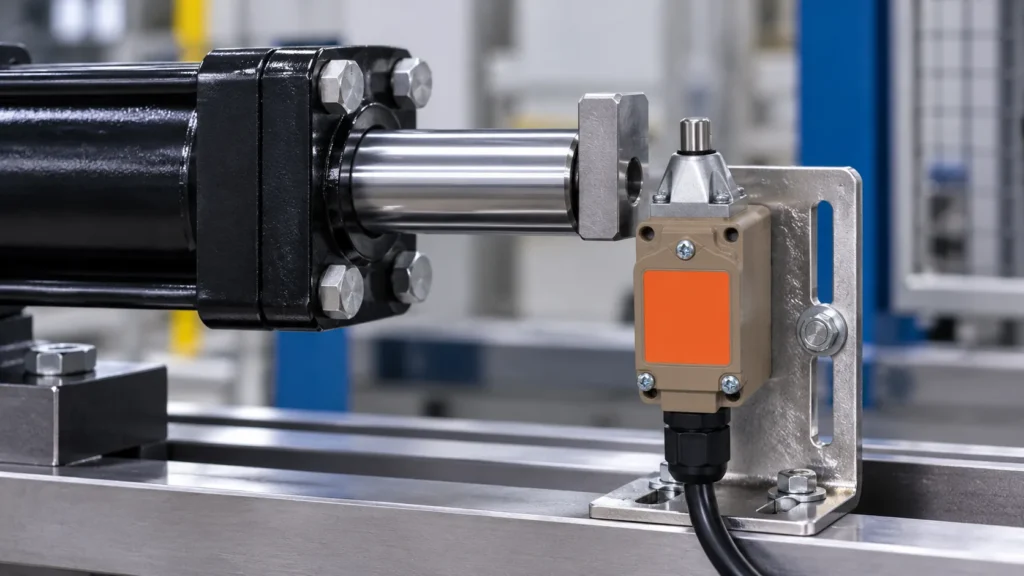
Hydraulic Cylinder Limit Switches: Position Feedback and Control Generated from the original WL-D11 product photo. The scene is illustrative and does not verify a hydraulic installation or safety function. A hydraulic limit switch can report that a cylinder, slide or attached mechanism has reached a defined position. It does not measure hydraulic pressure, hold the load or make a machine safe by itself. In a typical external arrangement, a cam, target or moving fixture actuates a mechanically mounted switch; its contacts then provide a signal to a properly designed control circuit. Selection starts with the motion and target geometry, then checks actuator travel, mounting tolerance, electrical load, environment and the controller’s response. Use the hydraulic equipment manufacturer’s instructions and the machine risk assessment to define where a limit switch belongs. Separate position sensing from hydraulic pressure sensing A mechanical limit switch responds to physical movement. It changes contact state when a lever, plunger or other actuator is moved past its operating point. A pressure switch or pressure transducer responds to fluid pressure. The two devices answer different questions: “Where is the moving part?” versus “What pressure is present?” A cylinder can reach a mechanical stop without producing a specific pressure, and pressure can rise while the cylinder is still moving or blocked by an external load. Use an external limit switch when the control sequence needs a discrete indication of extension, retraction or another defined position. Use a pressure-sensing device when the logic depends on pressure level. Some machines need both signals. A switch mounted near a cylinder must not be mistaken for a sensor that is in contact with hydraulic fluid or rated for line pressure. Define the machine...
Lire la suite