Micro Switch Temperature Rise Test: Validate the Loaded Assembly
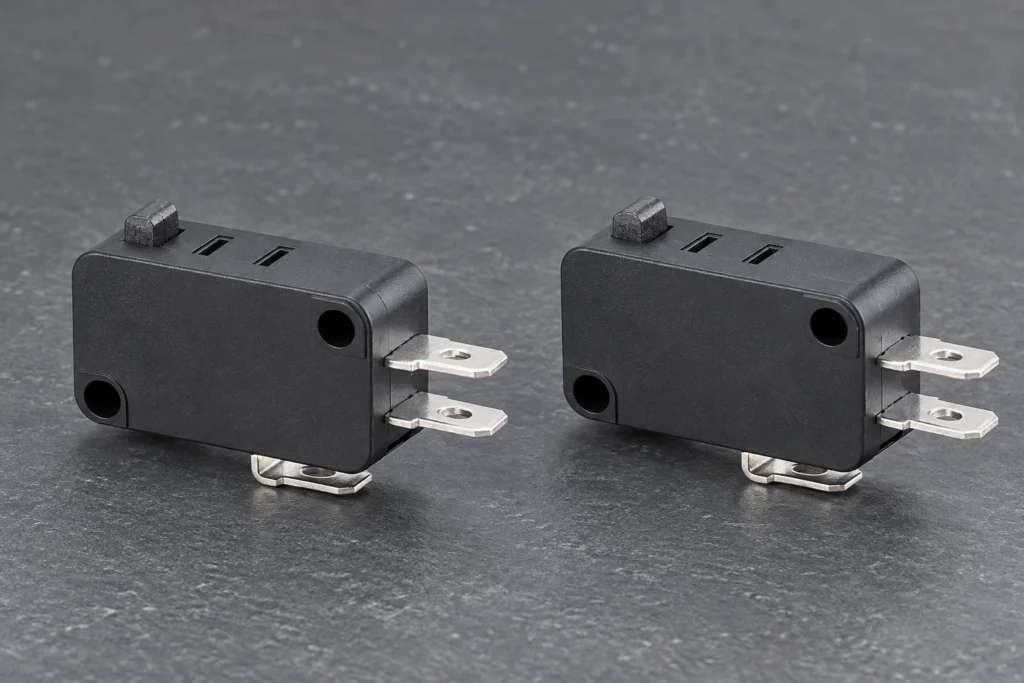
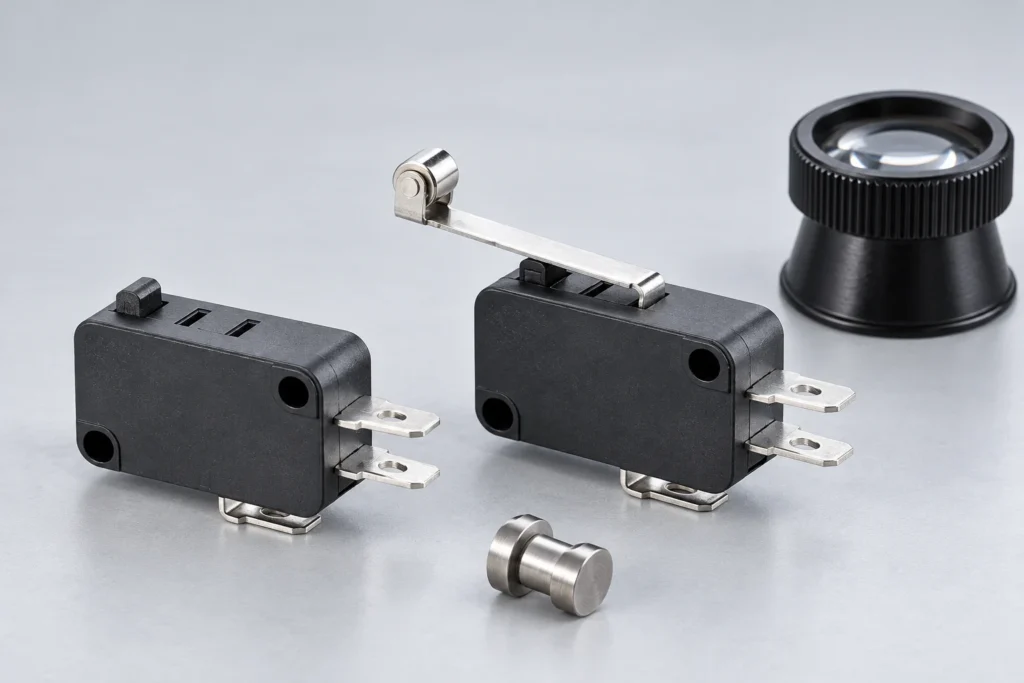
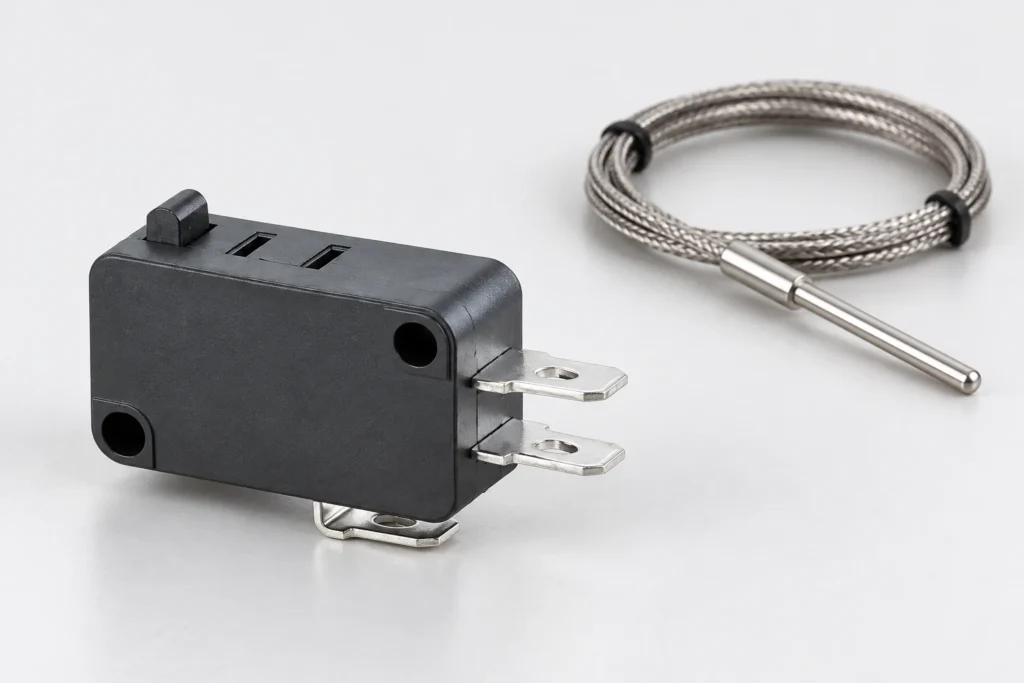
A micro switch temperature rise test evaluates heating in a defined loaded assembly relative to a defined ambient reference. It needs more than a warm-to-the-touch judgment or a single resistance reading. Establish the exact switch, terminal connection, conductor, enclosure, current duty and acceptance basis before testing. Record temperature over time until the method's stabilization requirement is met, then compare both temperature rise and absolute temperature with the applicable limits. This guide helps OEM buyers prepare a representative test request without inventing a universal temperature limit for every micro switch. Start with the decision the test must support State whether the work is a development comparison, investigation of a field complaint, supplier qualification or a formal compliance evaluation. These purposes can require different specimens, methods and reports. A quick bench comparison can identify a suspicious connection, but it cannot automatically replace a prescribed product or equipment test. Agree who owns the test specification and who will approve the result. Identify the full switch code and drawing revision. Add terminal type, mating connector, conductor material and size, connection process and any mounting hardware that influences the installation. A result obtained with one connection cannot simply be assigned to another arrangement. The heat source might be a contact path, a loose connector, a conductor or an external component near the switch. The KW7 series page is a starting point for an inquiry about a physical switch family. The KW7 selection guide organizes the wider component review. Request the exact supported variant data and any applicable test conditions from Lemaele. Do not turn a family-level current marking or operating ambient statement into an assumed temperature-rise limit. The complete application must remain within the relevant...
Lire la suite