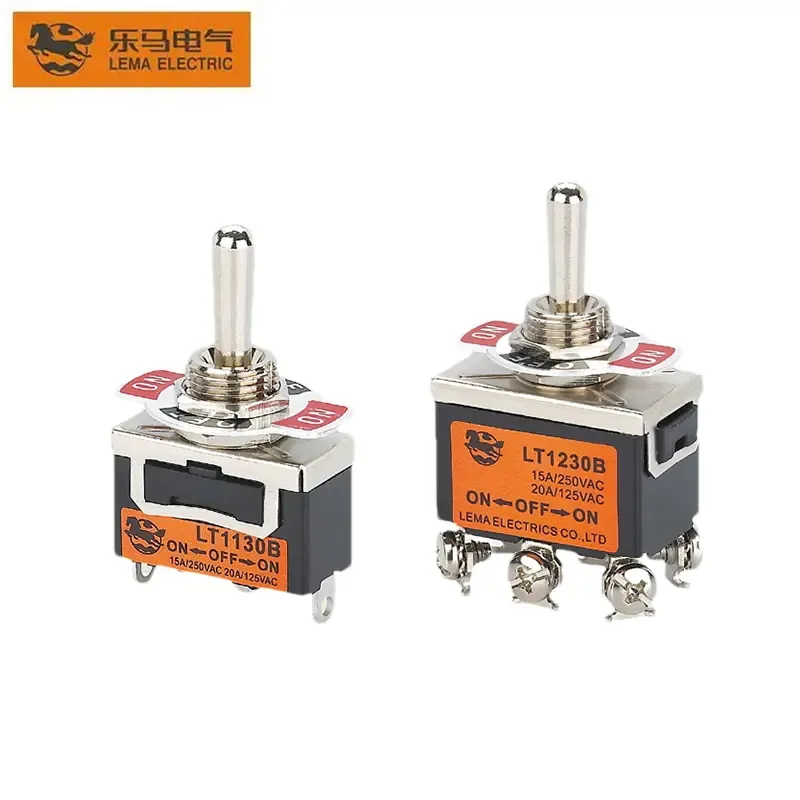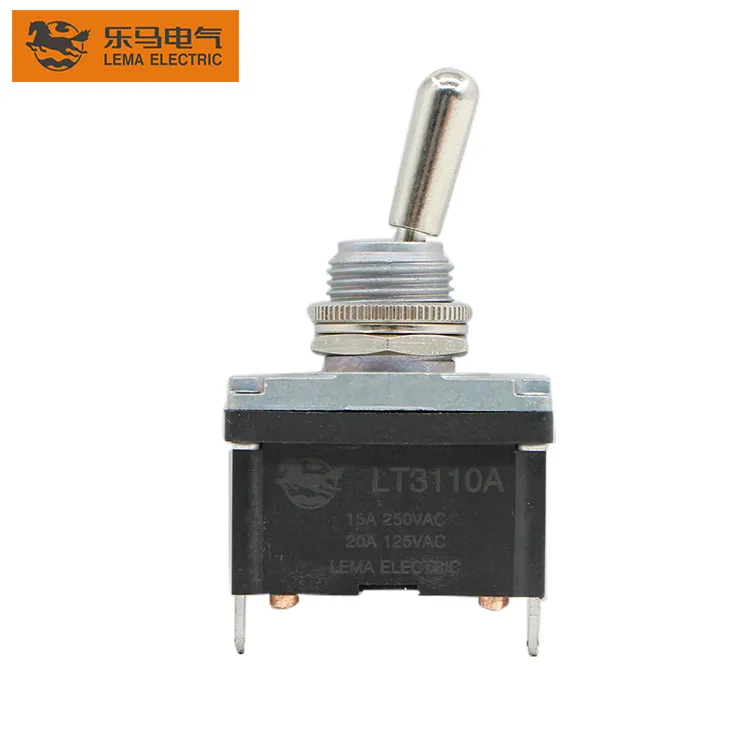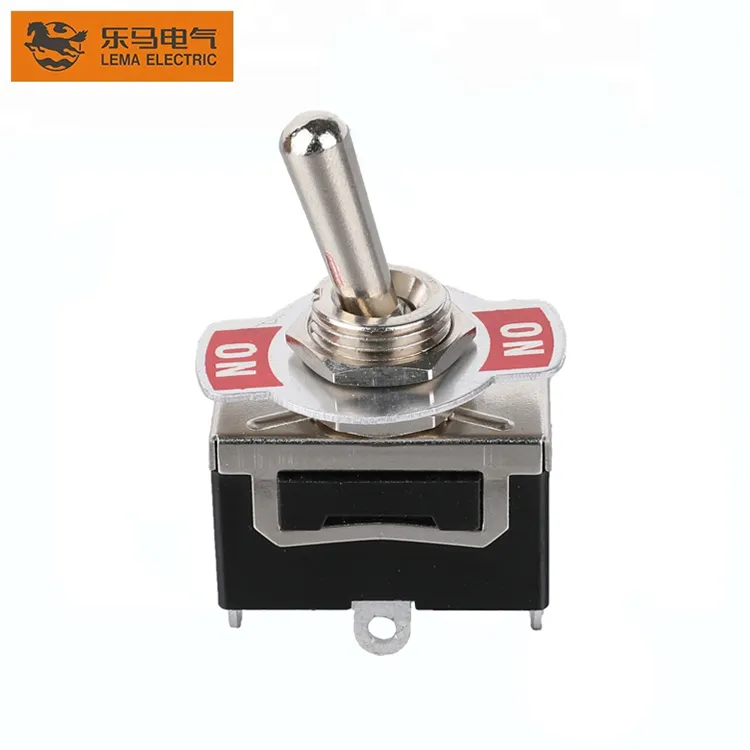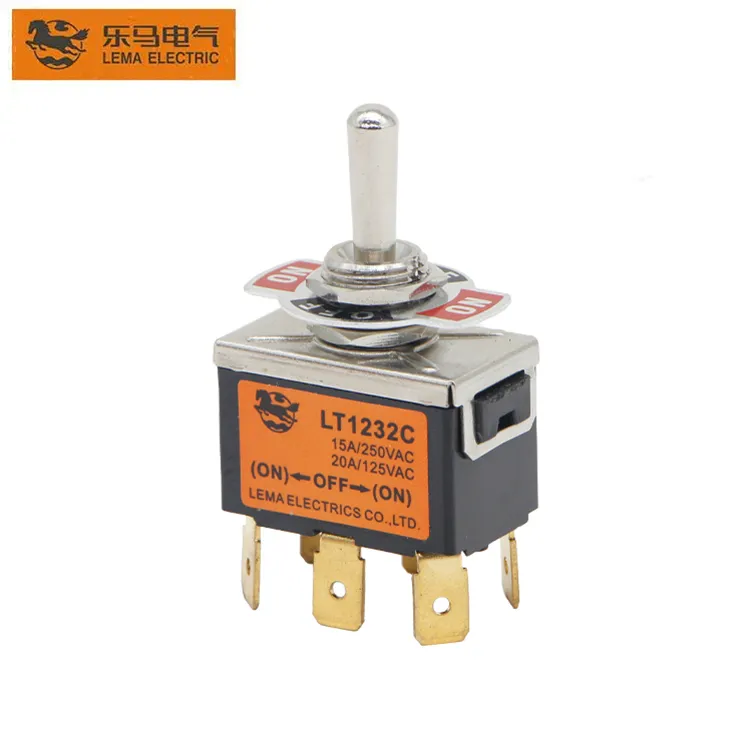
Reviewing Seals and Terminals on an IP67 Waterproof Toggle Switch
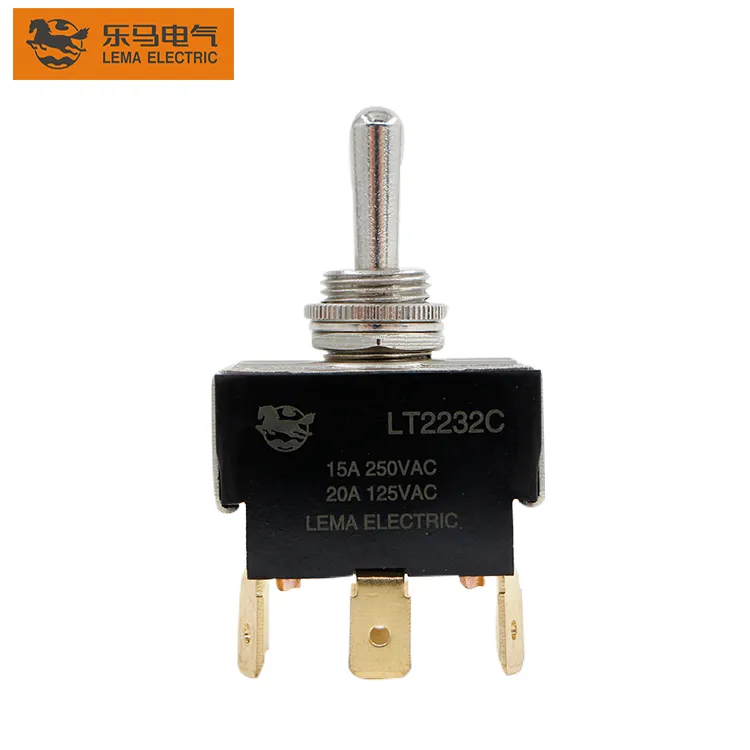
An IP67 waterproof toggle switch is a sealing problem before it is a catalog label. Define the front-panel seal path, rear terminal exposure, washdown chemistry, mounting stack, and test method before requesting a model review. A stamped IP code does not describe an unfinished harness exit. Important: IP67 marks a defined dust and temporary-immersion test envelope. It does not by itself prove continuous underwater operation or chemical washdown resistance. Source note: IEC 60529 publication scope; confirm seal path and test method in the selected model documentation. ContentsPart 1. What does an IP67 claim cover on a toggle?Part 2. Which seal paths protect the front of the panel?Part 3. How should rear terminals and harness exits be treated?Part 4. Why must washdown chemistry be listed separately?Part 5. How does the mounting stack affect sealing?Part 6. How should sealing be validated before release?Part 7. How can LEMA support a waterproof toggle inquiry?Part 1. What does an IP67 claim cover on a toggle? IP67 is an enclosure test class for dust and temporary immersion under defined conditions. It is not a license for continuous underwater operation, and it does not automatically cover detergents, oils, or steam. Write the exposure target and the test method the project will accept. Claim languageWhat to verifyCommon overreadIP67Dust and temporary immersion envelope“Works underwater forever”WaterproofWhich surfaces are sealedWhole product including open terminalsWashdown readyPressure, angle, chemistryEquating water IP with chemical resistance Family options sit under the LEMA Toggle Switch product line; sealing still follows the selected model documentation. Part 2. Which seal paths protect the front of the panel? Front sealing usually combines a lever boot, bushing o-rings or washers, and a case-to-cover seal. Each interface is a leak path...
Lire la suite