Industrial Push Button Switch Selection: Environment, Duty and OEM Guide
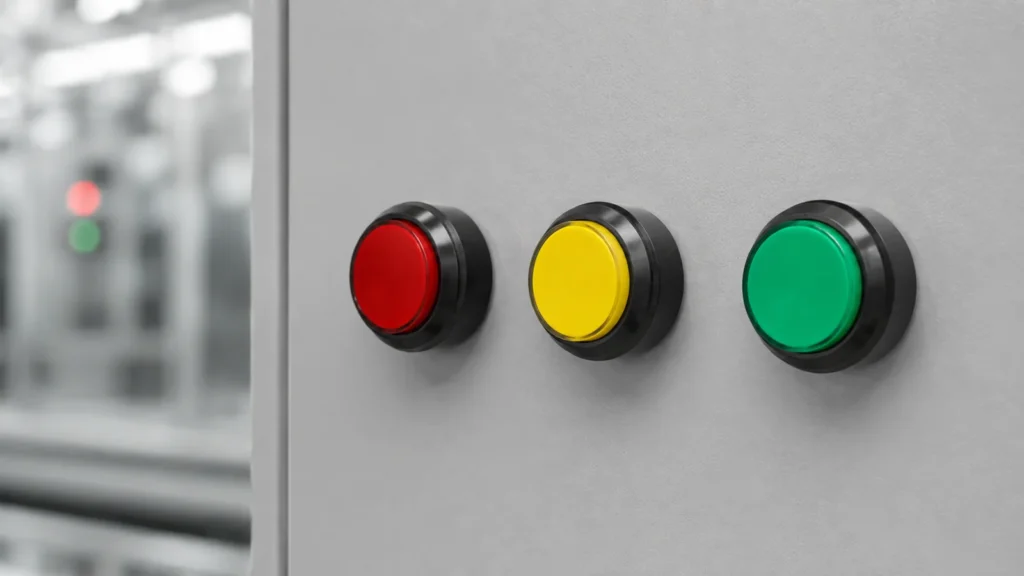
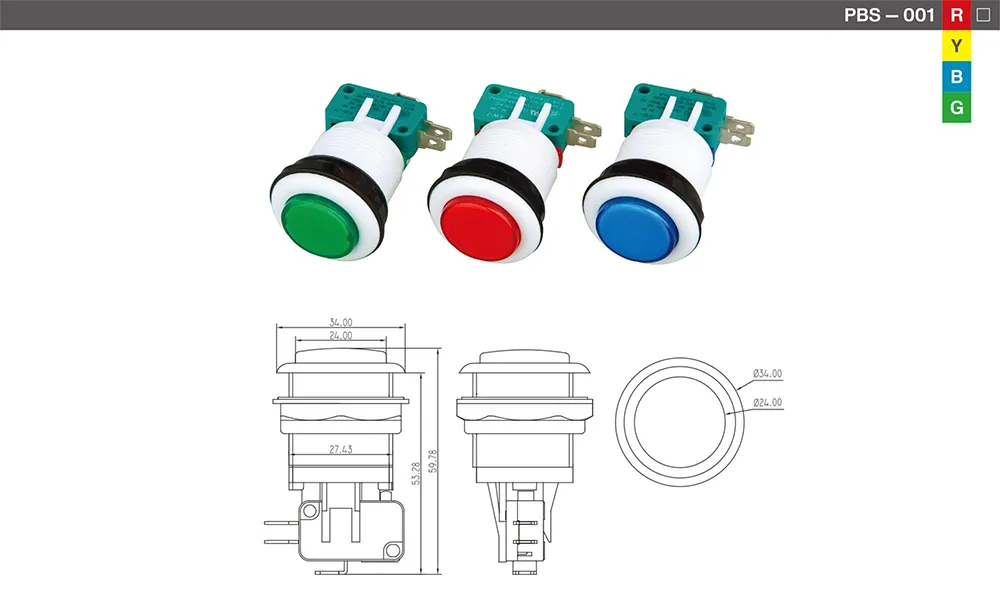
An industrial push button switch matches the panel zone first: dust, moisture, temperature swings, and vibration set the sealing and mounting stress before you compare actuators on a control panel. This article walks environment classification, mechanical cycle duty, electrical contact logic, LED illumination options, colour codes, and RFQ fields that keep procurement aligned with real machine conditions. Product-focused view supporting industrial push button switch selection and panel integration. ContentsHow Dust and Moisture Change Push Button SelectionTemperature Swings and Vibration at the Panel EdgeMechanical Cycle Duty: Matching Press Frequency to Switch LifeElectrical Interface Questions Before You Lock a Part NumberColour Codes and LED Options for Operator ClarityOEM RFQ Fields That Prevent Wrong-Spec DeliveriesSelect a PBS Industrial Push Button for Your Panel JobFAQHow Dust and Moisture Change Push Button Selection Dust and moisture decide whether a panel mount push button switch survives at the cutout, not just behind the bezel. Every hole is an ingress path, and IP rating thinking should follow the wettest zone on the control panel. Community builders note that adding buttons to a certified enclosure can change how the whole door performs against dust and spray. Important: Forum makers report that splashing water can press a tact switch unintentionally — wet zones need an actuator sealing plan, not only a higher IP label on a catalog line. Panel zone signal What to document in RFQ Why it matters for selection Dry indoor cabinet Dust class, occasional wipe-down Sealing focus on bezel gap and cable entry Humid or wash-adjacent Spray direction, chemical exposure Panel hole and actuator seal become primary Mixed door (display + buttons) Which functions sit in wettest area Example industrial operator families cite IP65 for dust...
Read More