Maintained vs Momentary Foot Switch
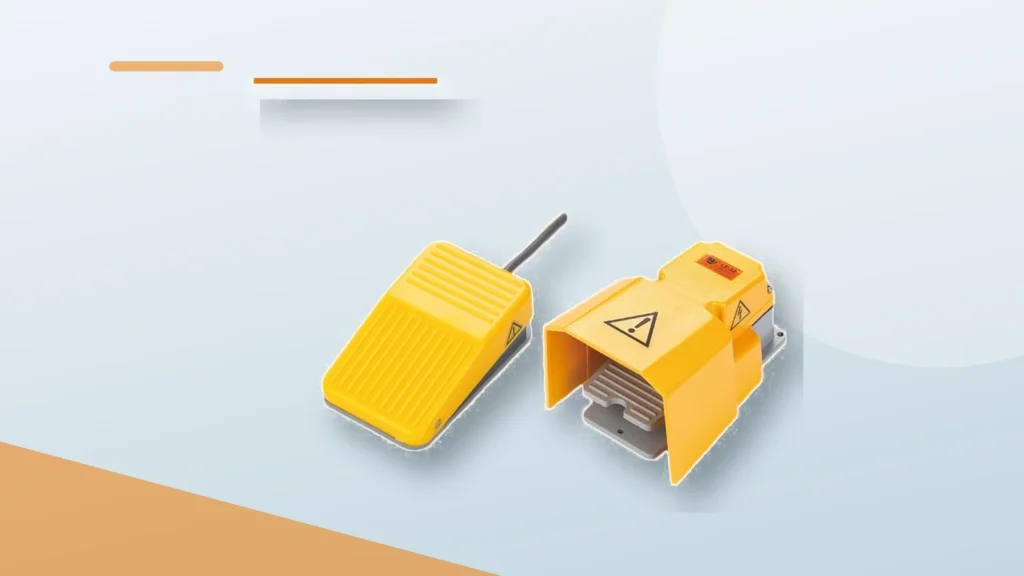
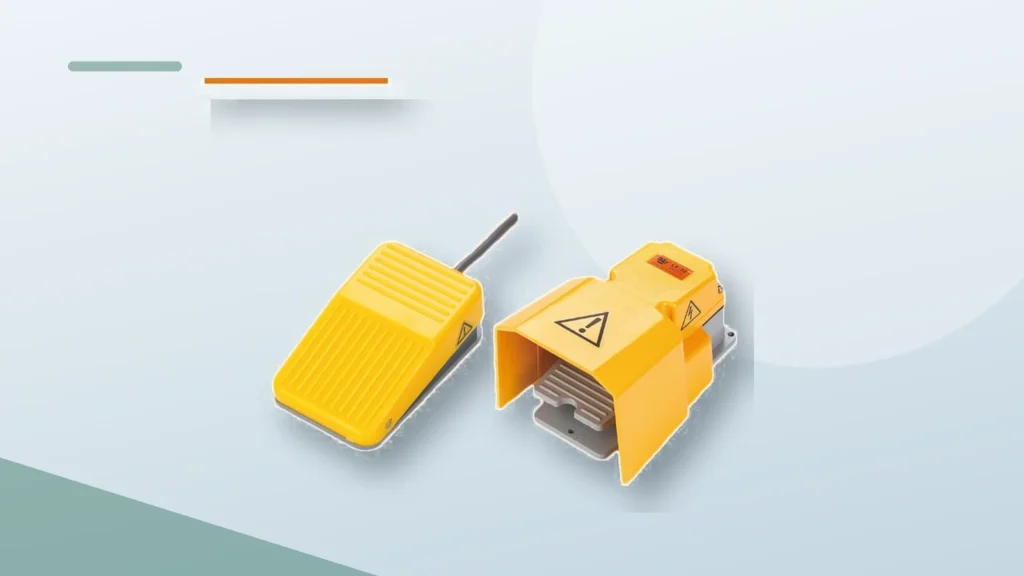
Maintained vs momentary foot switch should be selected by matching the electrical function, mechanical interface, environment, and verification plan—not by copying a generic diagram or choosing from appearance alone. A momentary foot switch returns when pressure is removed; a maintained foot switch remains in its changed state until another action resets it. The choice must follow the machine's control logic and risk assessment. A maintained pedal should not be used merely to avoid holding the pedal down. This guide gives engineers and OEM buyers a practical way to define the requirement, compare samples, and avoid a part that works on the bench but fails after installation. Application-focused view using the matching LEMA product. What the term means in this application A momentary foot switch returns when pressure is removed; a maintained foot switch remains in its changed state until another action resets it. The choice must follow the machine's control logic and risk assessment. A maintained pedal should not be used merely to avoid holding the pedal down. The first job is to separate the switch's name from its required behavior. Product names are often shortened for search or purchasing, while an engineering drawing defines the contact state, terminal numbering, operating point, allowable travel, mounting reference, and ratings. If those details are missing, two parts with similar names may behave differently. Write the control requirement as a short sequence: the condition before actuation, the physical action that causes actuation, the electrical state after actuation, and the condition that resets it. This sequence prevents confusion between mechanical action and contact logic. It also gives the controls engineer, mechanical designer, buyer, and supplier one shared description to review. Do not treat a...
Read More