Matching Actuator Types to OEM Mechanism Motion
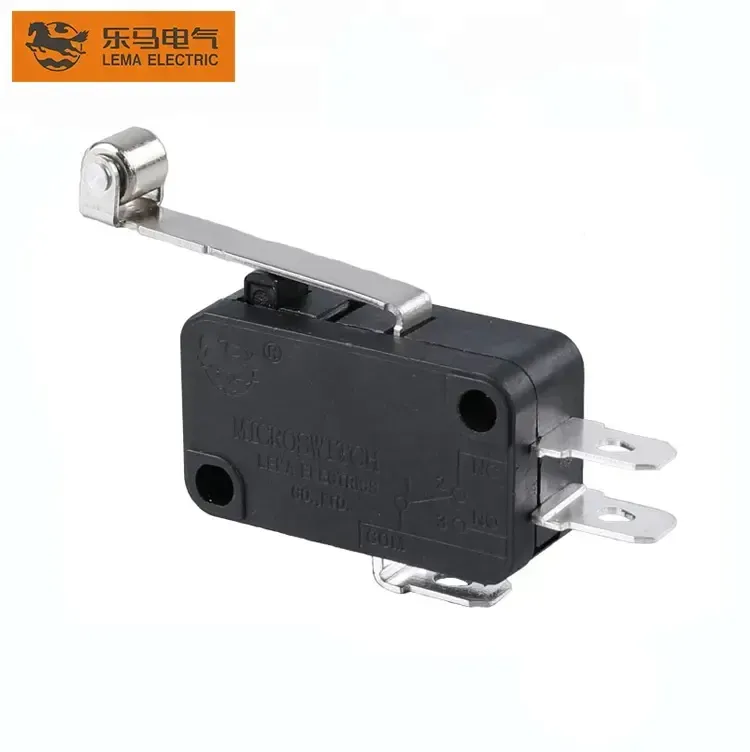
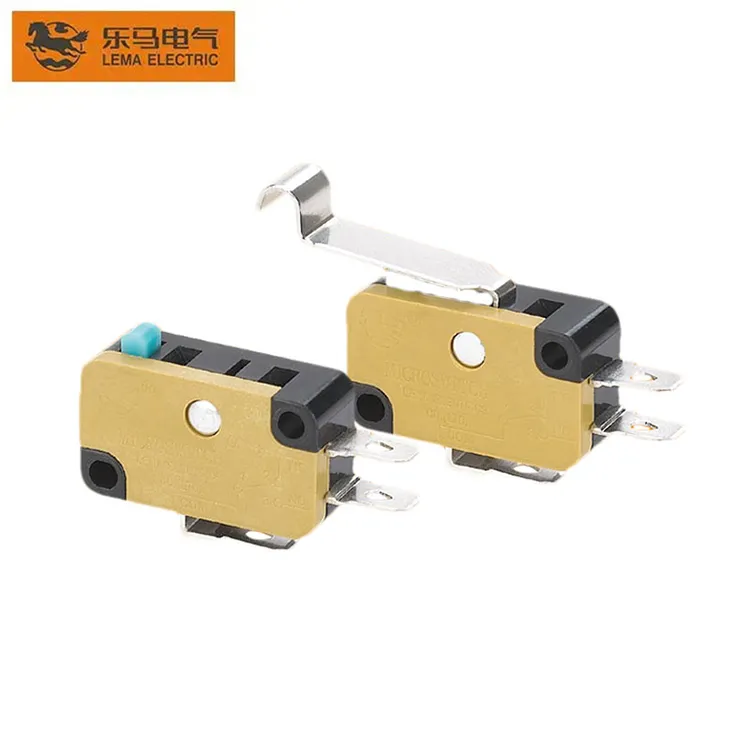
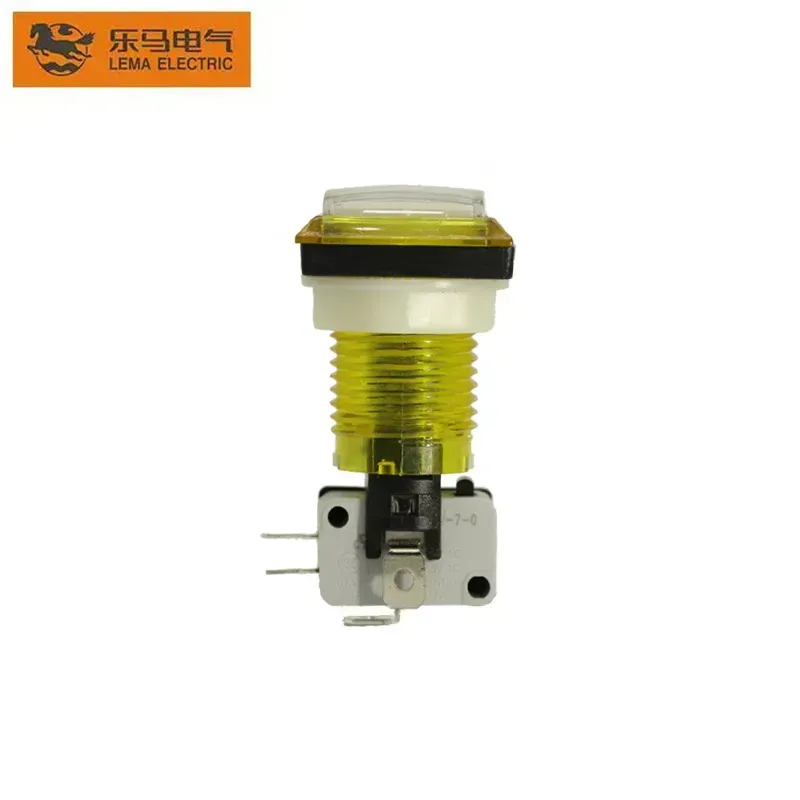
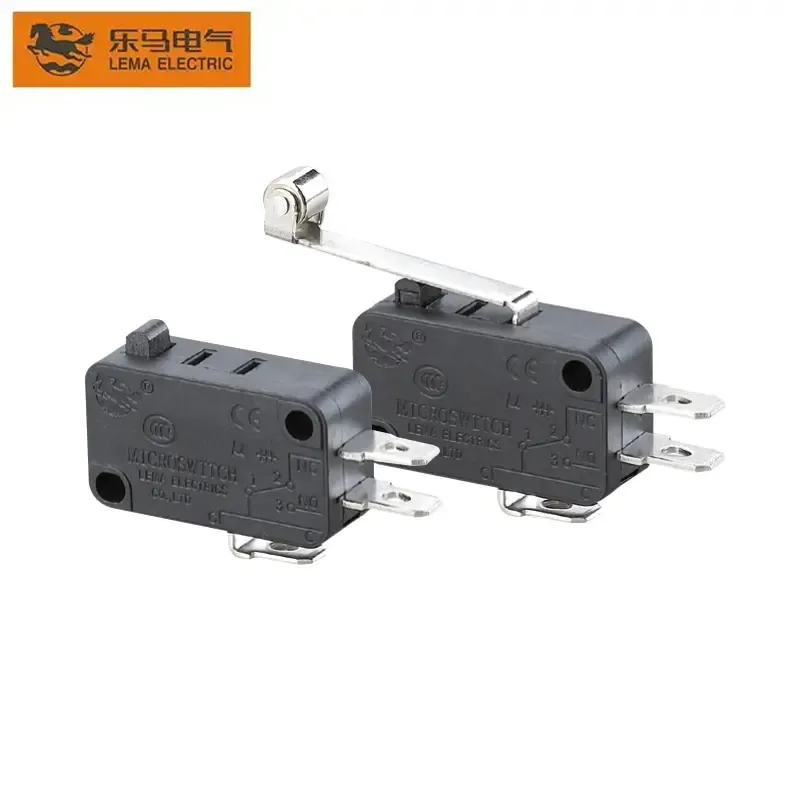
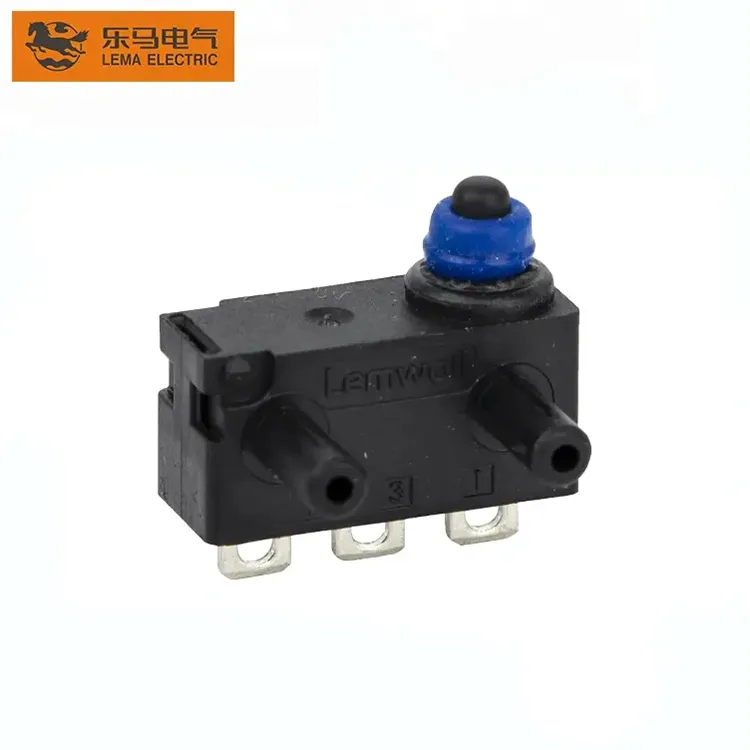
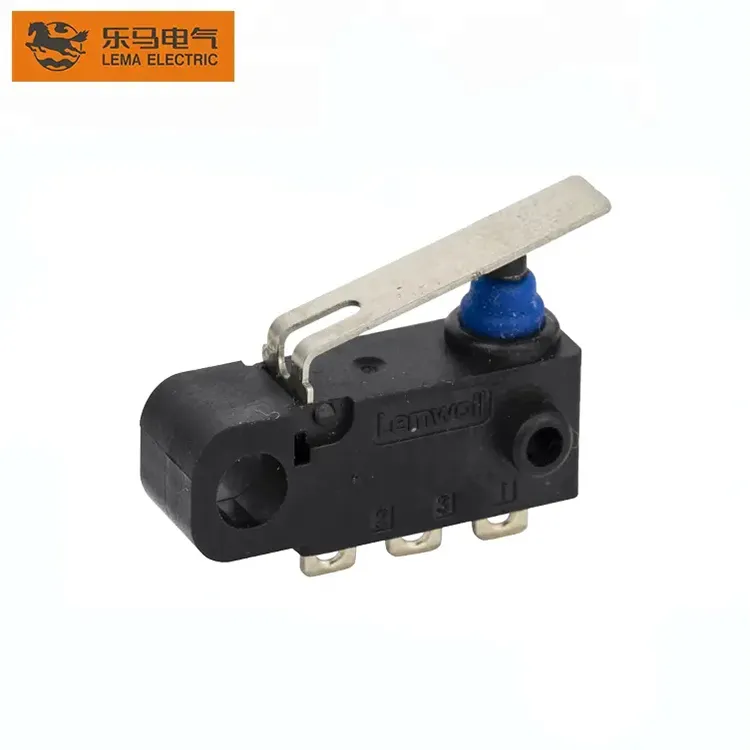
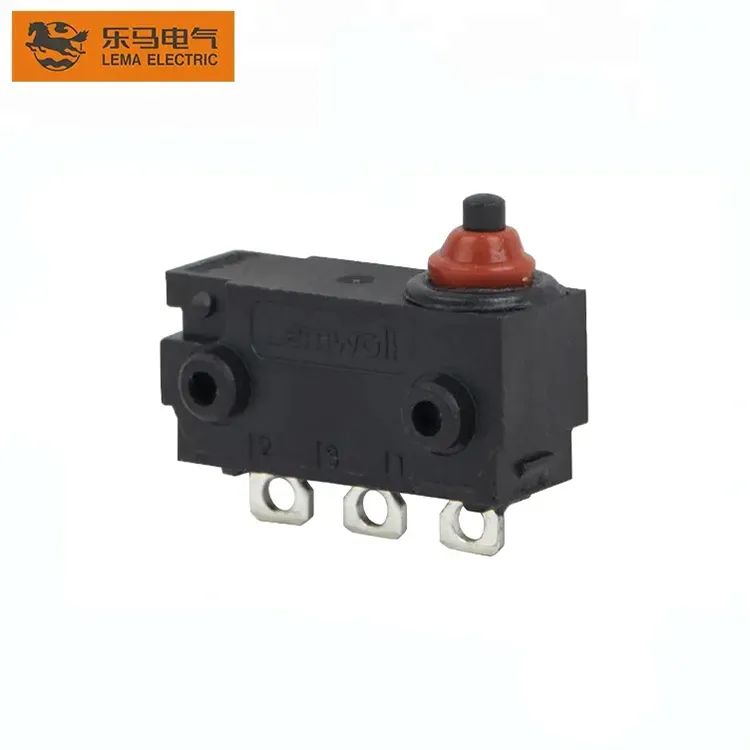
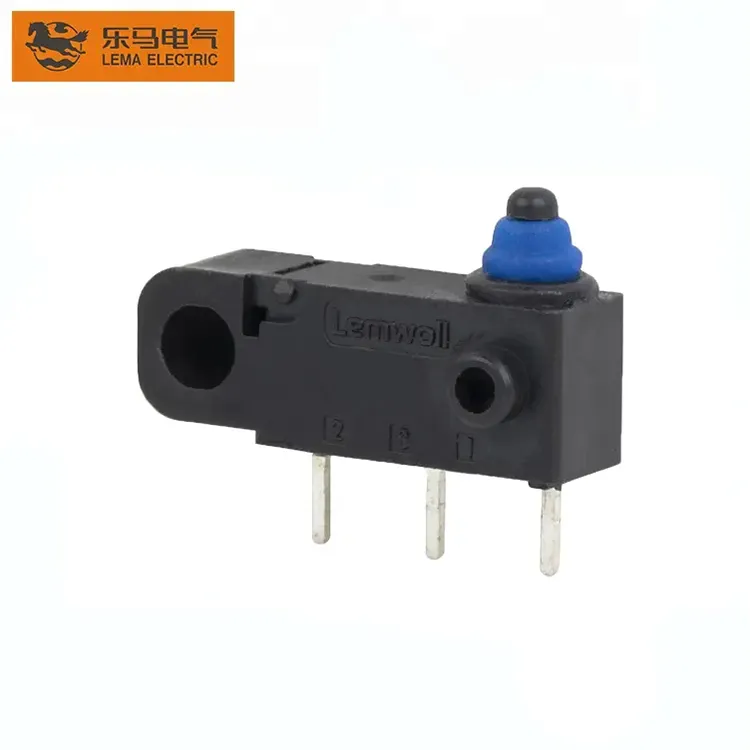
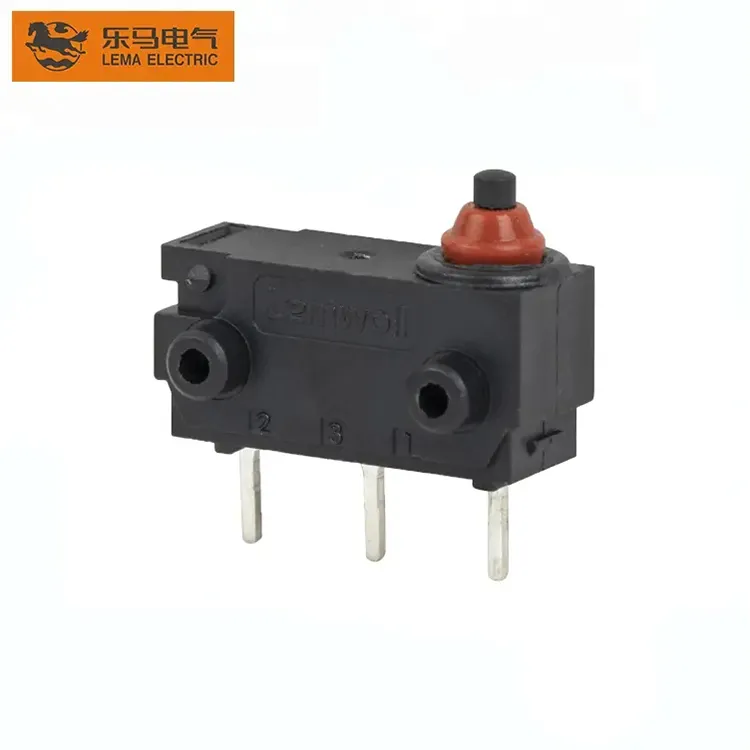
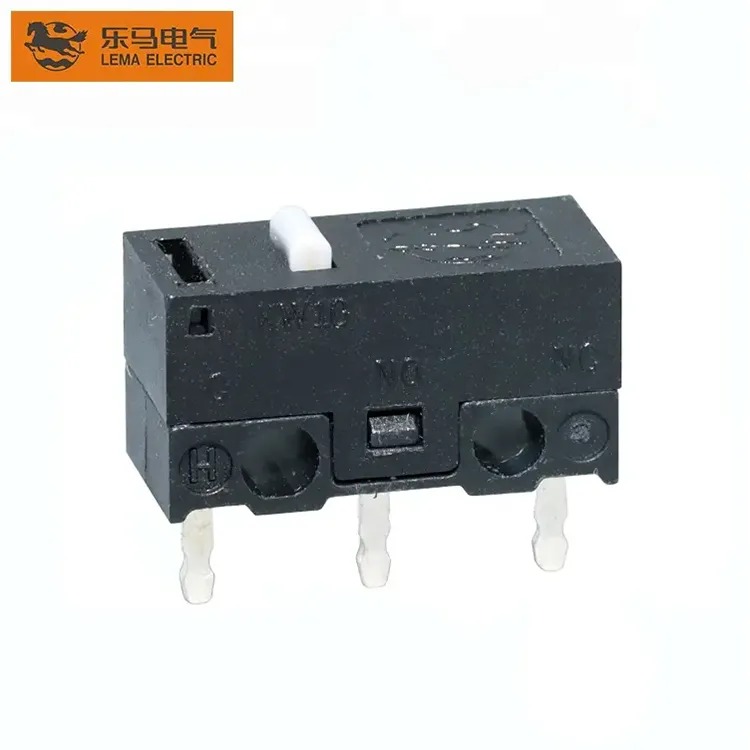
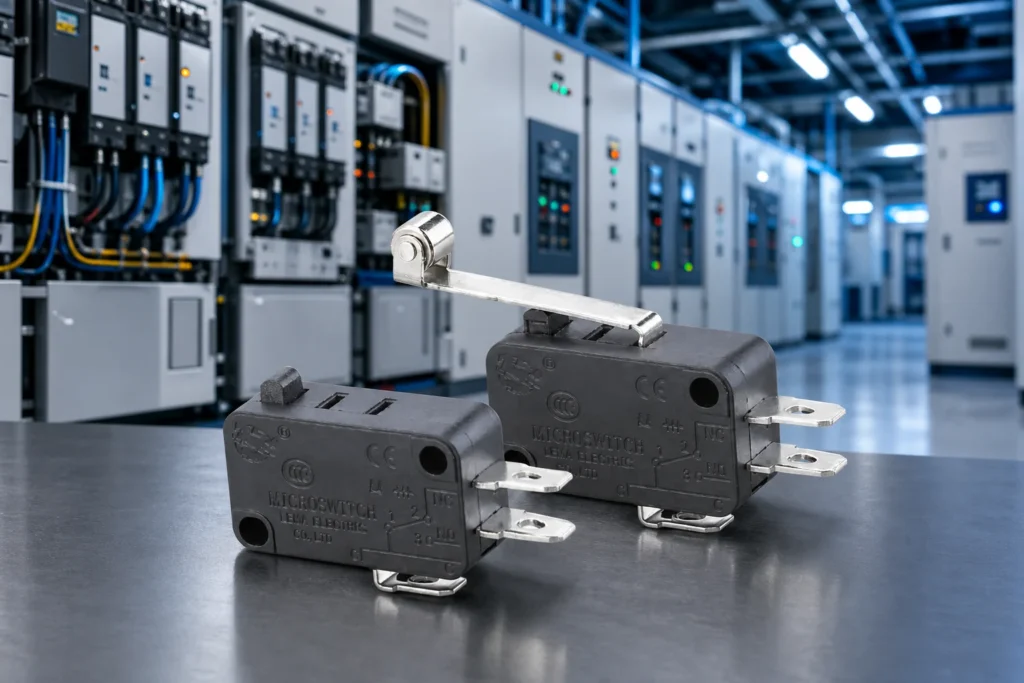
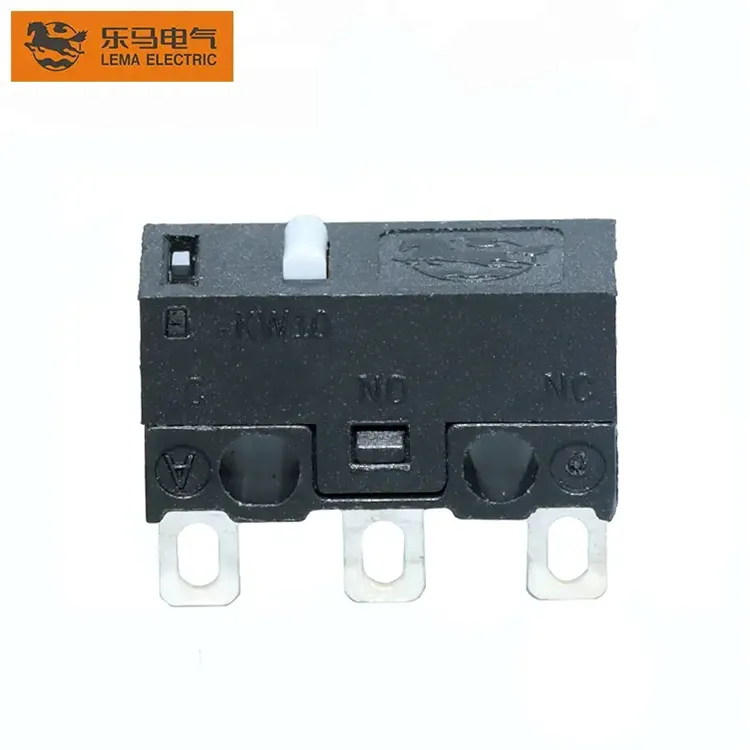
Actuator choice is a motion-matching exercise, not a styling decision. Lever, roller lever, plunger, and button actuators translate the same snap mechanism to different travel directions, forces, and tolerances. Start from how the moving part approaches the switch, then keep the operating point stable. ContentsPart 1. How does an actuator change switch behavior?Part 2. When is a plain lever or long lever right?Part 3. When do roller actuators earn their cost?Part 4. How do plunger and button styles behave?Part 5. Which mounting and tolerance inputs decide repeatability?Part 6. What belongs in the RFQ and Fit Boundary?Part 7. How can LEMA support an actuator inquiry?FAQsReferencesPart 1. How does an actuator change switch behavior? The actuator converts mechanism motion into internal plunger travel. Each style changes three things at once: the force the mechanism must supply, the travel required to operate, and the sensitivity to misalignment. ActuatorMotion it suitsWatch-outPin plungerDirect in-line pressTravel must be tightly controlledLeverCams and rotating partsForce capability drops as length growsRoller leverSliding cam surfacesSide load on rough profilesButtonPanel or operator pressNeeds overtravel protection Anchor the review in the LEMA Micro Switch product line so each candidate style maps to a documented series. Part 2. When is a plain lever or long lever right? Plain levers absorb approach-angle variation and reduce the force a mechanism must deliver. Longer arms trade operating force against a wider tolerance on the operating position, so the drawing must show where in the stroke the circuit changes state. For extended-reach cases with cams or linkages, the long arm actuator selection guide covers arm length, force, and repeatability in detail. Part 3. When do roller actuators earn their cost? Rollers replace sliding friction with rolling contact,...
Read More