
A quick-connect toggle succeeds when the terminal interface and harness process are controlled together. Define the mating component, terminal map, routing, access, inspection and service steps before a buyer releases a production panel.
Important: do not infer terminal size, retention, electrical rating, ingress, approval or life from a terminal photo. Confirm model-specific limits in the selected documentation. Source note: IEC 61058-1 publication scope and selected-model documentation.
– FAQ
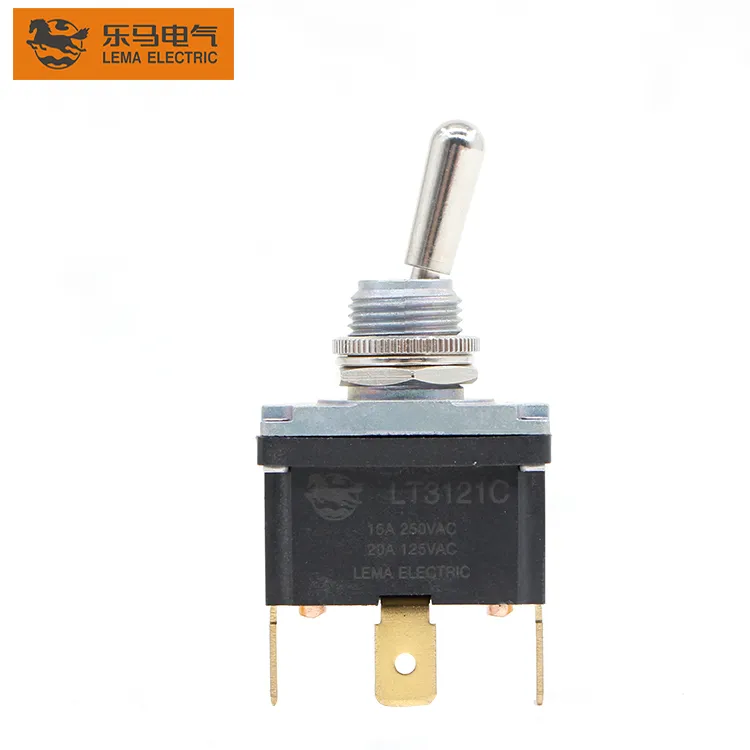
Part 1. What does quick connect mean in an OEM toggle design?
Quick connect describes a mating approach, not a complete harness specification. The design file still needs the terminal drawing, matching component, wire route, tool access, inspection method and the intended service sequence. Without those fields, similar-looking terminals can create unplanned substitutions or rework.
| Decision field | Record in the package | Send with quote |
|---|---|---|
| Terminal map | Contact and terminal designation on the drawing | Yes |
| Mating interface | Matching component and harness process | Yes |
| Access | Rear clearance and service approach | Yes |
| Duty | Load, inrush and circuit context | Yes |
Begin at the LEMA Toggle Switch product line after the application package is defined.
Part 2. Which terminal and harness inputs belong in the drawing?
Show each terminal designation with the matching harness connection and circuit state. Identify the wire construction, routing, strain-relief decision and any assembly instruction needed to keep a mating connection consistent. Do not use a generic “quick connect” label in place of the released terminal documentation.
The SPDT terminal-identification guide helps where common and throw designations must stay aligned with the harness.
Part 3. How should mating access and retention be reviewed?
Review the terminal interface on the finished panel, not just on a loose switch. Check harness approach, bend space, nearby hardware, removal direction and whether a service technician can inspect the connection without disturbing adjacent parts. Record any required mating or retention evidence from selected-model documentation.
Rear clearance and cutout constraints remain part of the panel-mount installation review.
Part 4. Which assembly and inspection controls reduce rework?
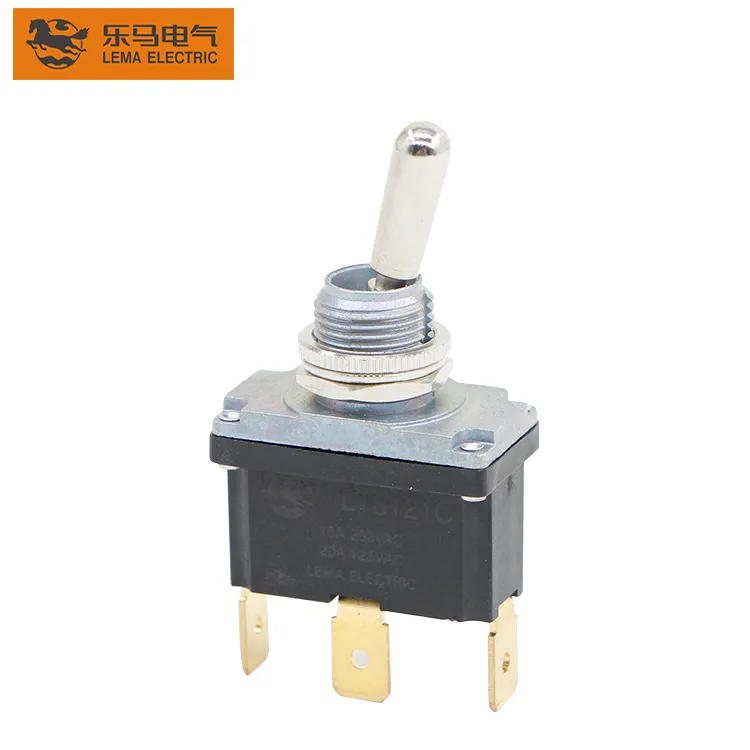
Define the sequence: verify part and drawing revision, prepare the harness, mate using the approved instruction, inspect the connection, then test circuit continuity. This sequence gives the factory and service team a shared record instead of relying on a visual impression after the panel is closed.
- Keep the terminal map with the harness drawing.
- Reserve access for inspection and removal.
- Use controlled work instructions for the mating process.
- Record any change to the terminal, harness or enclosure as a review trigger.
Part 5. How should service and terminal changes be controlled?
Do not allow an alternate terminal or harness component because it “looks the same.” Carry the terminal designation, circuit form, drawing revision and replacement boundary into the service record. If the application prioritizes a different process, compare it to the screw-terminal harness-planning guide rather than mixing terminal methods without a new review.
Part 6. What should be validated before release?
Validate the production-intent harness and panel for terminal assignment, mating access, inspection access, circuit behavior and service removal. Retain the selected-model documentation and the tested drawing revision with the sample decision.
Fit Boundary: this guide structures terminal-interface, harness and service planning. It does not certify terminal retention, electrical rating, ingress, approval or life for any model.
Part 7. How can LEMA support a quick-connect inquiry?
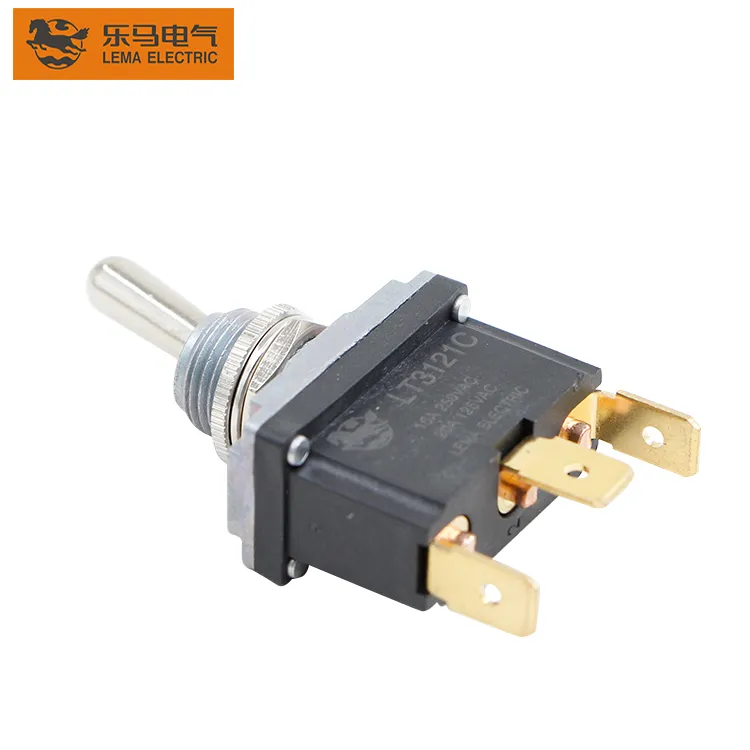
Use the LT1 series toggle switch page as a public route once the terminal and harness files are ready.
Send with the inquiry:
- Circuit and terminal map
- Mating component, harness route and inspection requirement
- Panel clearance and service-access notes
- Duty, environment, volume, sample timing and requested documentation
Send a toggle-switch RFQ with the controlled terminal package.
## FAQ
What belongs in a quick-connect toggle RFQ?
Include circuit form, terminal map, matching interface, harness process, access, duty, panel context, volume and sample timing.
Can a similar spade terminal be substituted?
No. Use the released terminal drawing and selected-model documentation rather than visual similarity.
Does quick connect remove the need for strain relief?
No. Routing and strain relief remain harness and enclosure decisions.
How should a mating connection be inspected?
Use the controlled work instruction, terminal map and a defined inspection point on the finished panel.
When should a screw-terminal design be considered instead?
Consider it when the documented assembly, service or access requirements call for a different terminal process, then complete a separate review.
What must be tested before release?
Test terminal assignment, mating access, inspection, circuit behavior, service removal and selected-model documentation requirements.
## References