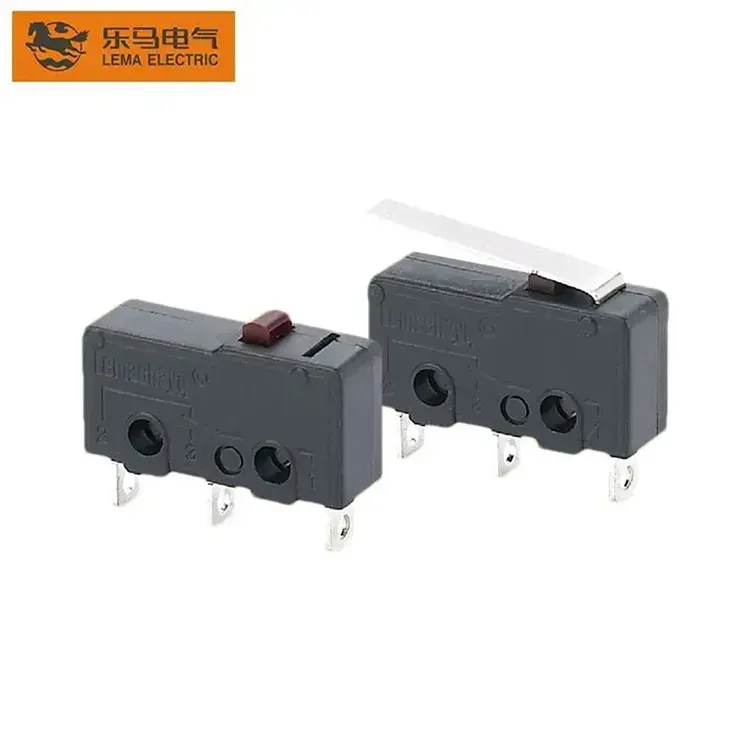
The Micro Switch 12V is known for being both reliable and versatile in terms of its use within electrical components. These small but powerful switches act as an integral part of many different types of electronic devices and machines; they ensure the proper functioning of the items they control. In this article we will discuss how Micro Switch 12V operates, as well as what type is best suited for specific applications. You’ll be able to see first-hand why Micro Switch 12Vs are important in so many different situations.
How Do Micro Switch 12V Work?
Micro Switches enable you to control electric current with the help of another mechanical mechanism, which in most cases could be a button or lever. When that actuator is depressed and the switch is activated, the power will flow through that circuit and into whatever device you are controlling. This will usually occur in less than one millisecond; therefore, Micro Switches provide a quick response time for your application.
Types of Micro Switches
Many Micro Switches 12V exist that are made for various uses. Here are some typical Micro Switches 12V examples:
Micro Switch 12V DC: These switches work with direct current (DC), making them suitable for battery-powered devices.
Waterproof Micro Switch 12V: Designed for humid or outdoor usage, these switches have been manufactured to withstand moisture and maintain functionality over time.
Momentary Micro Switch 12V: A momentary switch is activated only while pressed; therefore, it is appropriate for use in applications requiring an immediate and short-term activation.
How to Activate a Micro Switch?
A Micro Switch 12V can be activated easily. It can be activated mechanically by pushing on the lever or button, closing the electrical circuit and allowing power to flow. It can also be activated through an electrical signal from an external signal or control system in certain applications. Understanding how a Micro Switch is activated can help ensure proper installation and functionality.
What Are the Three Terminals on a Micro Switch?
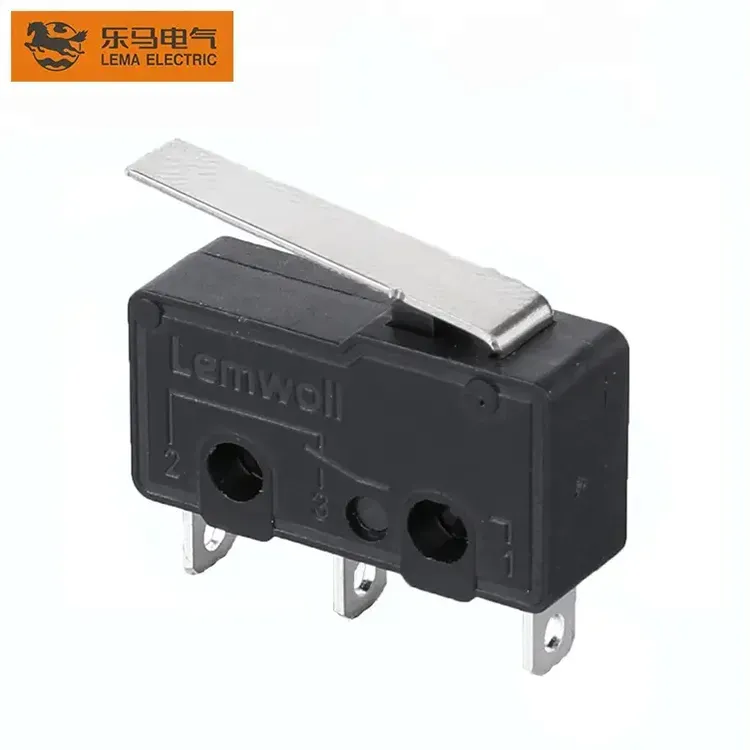
A majority of Micro Switch 12V Models come equipped with three terminals – Common (COM), Normally Open (NO), and Normally Closed (NC). The COM terminal is the connection to the power supply while the NO terminal will provide an electrical flow while the switch has been engaged, conversely the NC terminal will remain closed until the switch has been activated. Understanding how to use these terminals is extremely important when integrating micro switches into a working circuit.
Applications of Micro Switch 12V
Micro Switch 12V switches are used in a wide array of applications, including:
– Home appliances: These switches control devices like washing machines and microwaves.
– Vehicle Features: They keep car doors, seatbelt reminders, and other safety-related items functional.
– Industrial machinery: Used for safety interlocks and control panels in various equipment.
– Consumer electronics: Found in gaming controllers, remote controls, and more.
Why Choose Micro Switch 12V?
Micro Switch 12V offers several advantages including being compact, durable, and capable of handling multiple loads. This makes them ideal when you need something that provides accurate control or quick response time. Due to their versatility, they are popular with both professional engineers as well as amateurs!
Conclusion
In conclusion, a micro switch that operates on 12 volts is an important subcomponent found in many different types of electronic devices and systems. Due to their fast response time as well as durability and numerous applications, micro switches are a key component for anyone who works with electronic components. Knowing how to use micro switches when designing a new product or changing out an old one will help ensure that you are making an informed decision regarding the purchase of that type of switch. As technology continues to develop, the need for dependable components such as micro switches will only increase.