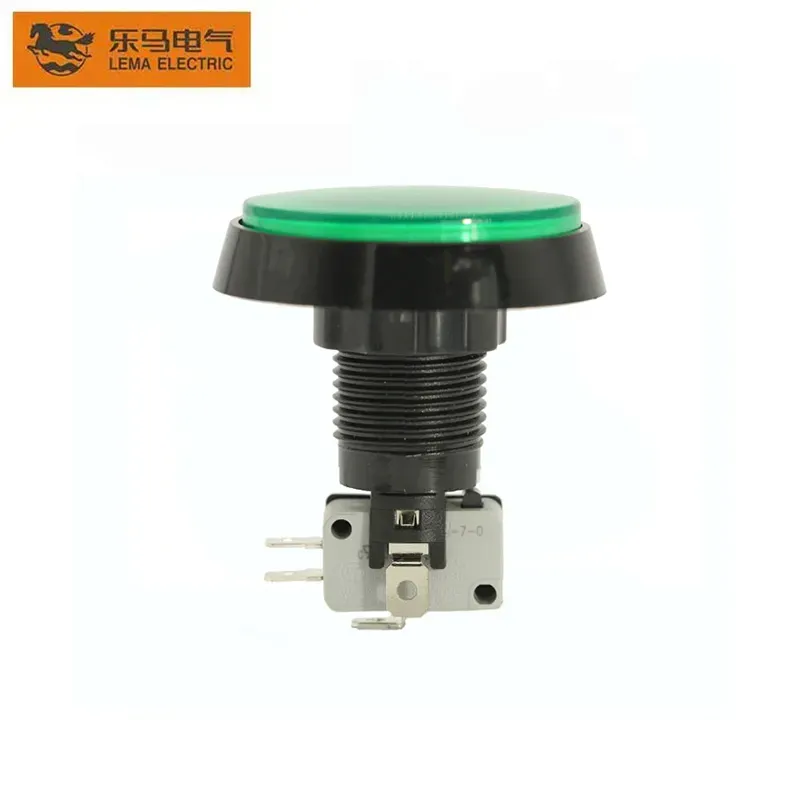
Every electronic device or appliance requires a compact yet strong switch for operation; thus the microswitch button is used in many applications across multiple industries. The microswitch button’s speed, accuracy, and reliability are what make it an essential element of both automated and controlled systems. In this article, we’ll discuss what the microswitch button is, how it works, its major components, and the many ways it can be used. We’ll also give you tips on selecting a correctly sized microswitch button for your application.
What is a Microswitch Button?
Key Components of a Microswitch Button
The microswitch button is made up of many essential mechanisms which interact with one another to provide effective operation.
The actuator of a microswitch is the component that is activated or pushed physically. There are several different actuator designs (e.g., levers, rollers, etc.) based on specific applications.
- casing: An outer layer of an item that houses its working components including the switch. The casing serves to protect the switch from damage caused by weather and other elements.
- Electrical contacts are used to complete the circuit of an electrical device by the switching action of the microswitch. They provide the path for electrical current to flow and are available in many different types, including normally open (NO) and normally closed (NC) circuits.
- Spring Mechanism: This component generates the required push-back and hold against the force of gravity to enable the switch to be returned back into its default position after it is taken from that position.
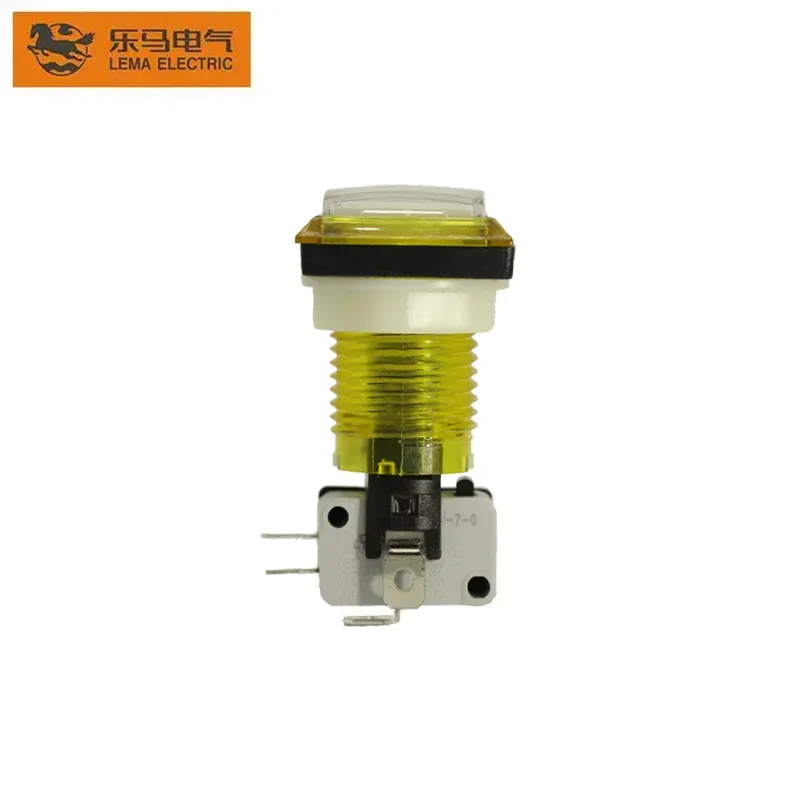
Working Principle of a Microswitch Button
A microswitch button operates based on mechanical movement. Pressing down (activating) the actuator applies mechanical force against the internal mechanism (which is spring loaded) of the switch, allowing the internal electrical contacts to touch and complete the electrical circuit so that electricity can flow to the device or system connected to it. The beauty of microswitch buttons is their quick response time; they require little or no physical force to engage.
How to Choose the Right Microswitch Button
Selecting the appropriate microswitch button for your application involves several factors:
Check Voltage and Current Requirements: Determine how much voltage and current your circuit will need so that you can select an appropriate switch that can meet the specified requirements.
– Actuator Type: Consider what type of actuator will best suit your needs. A micro-switch with a roller might be an ideal actuator for applications which require less force to activate them.
Select a sealed or ruggedized microswitch if it will be exposed to extreme environmental conditions (moisture, dirt).
– Options for mounting: Various styles of mounting are available for different types of microswitches. Ensure you choose the proper mount depending on whether it will work with your application or device configuration.
Applications of Microswitch Buttons
Due to their characteristics, versatile, and reliable use; the most common applications of microswitch buttons can be found in many different industries. Some of the applications for microswitch buttons are;
Appliances: Found in items like washing machines, oven, and refrigerators that enable interaction between a user and the appliance (including safety features).
Automobile: These electronics can be used for car doors, safety systems, and other various automobile functions. Examples include: safety alerts and lighting control capabilities.
Industrial Automation: Applications in Conveyors, Machinery, and Industrial Equipment; Automatic Control and Monitoring Functions
Consumer Electronics: These tactile devices include keyboard, mouse, and game controller for the purpose of providing tactile feedback and functionality to their respective consumers.
Understanding how a microswitch button works will greatly improve your ability to find? the right micro-switch for your particular projects. You can have successful operation of your electronic devices by considering the load capacity, actuator type, and the environment.
To summarize, modern technology would not be complete without the microswitch button. An efficient device with a simple, effective design (microswitch button) serves many different purposes throughout many areas of our daily lives, making it a dependable source for numerous applications. No matter how you plan on using your microswitch, having knowledge about choosing and using them properly will help you develop better automated solutions.