
A safety cover or guard is a panel geometry decision, not a sticker on the BOM. Define the accidental-actuation risk, how the operator must open the cover, and the swing envelope before locking a switch and accessory pair.
Important: A cover or guard does not create a safety function by itself. Confirm actuator access, lockout needs, and seal stack against the panel drawing. Source note: IEC 61058-1 publication scope and selected-model documentation.
– FAQs
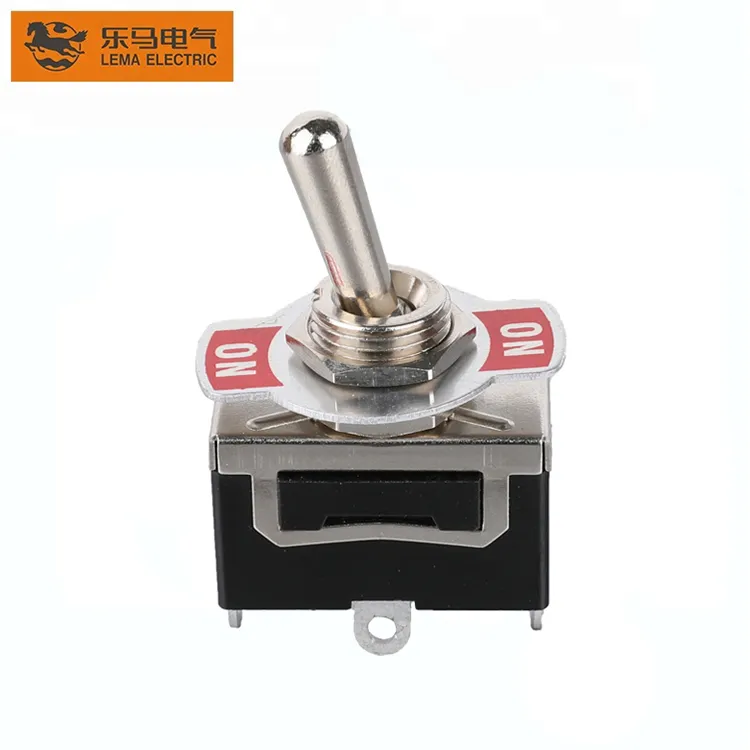
Part 1. When does a toggle need a safety cover or guard?
Covers and guards belong on toggles that can start motion, apply power, or change modes when brushed by clothing, tools, or vibration.
| Decision field | Input to document | Send with quote |
|---|---|---|
| Risk note | What accidental throw causes | Yes — hazard summary |
| Cover style | Flip, lift, lockable, or shroud | Yes — accessory preference |
| Clearance | Swing and adjacent controls | Yes — envelope drawing |
| Switch duty | Circuit form and load | Yes — electrical summary |
Browse families via the LEMA Toggle Switch product line after the risk note exists.
Part 2. How do cover styles change operator access?
Flip covers slow casual bumps but still allow trained access. Lockable guards raise the bar for intentional operation. Deep shrouds reduce side hits but can complicate gloved use.
Match cover behavior to the operator script used in the 12V OEM panel toggle planning context when the panel is low-voltage accessory control.
Part 3. Which panel clearance inputs control fit?
Draw the cover open and closed. Capture hinge side, required finger clearance, legend visibility, and interference with neighboring devices.
- Check panel thickness and bushing stack with the cover hardware.
- Confirm the lever can still reach every required state under the cover.
- Reserve service access for terminal work behind the panel.
Part 4. How do boots and covers interact on sealed panels?
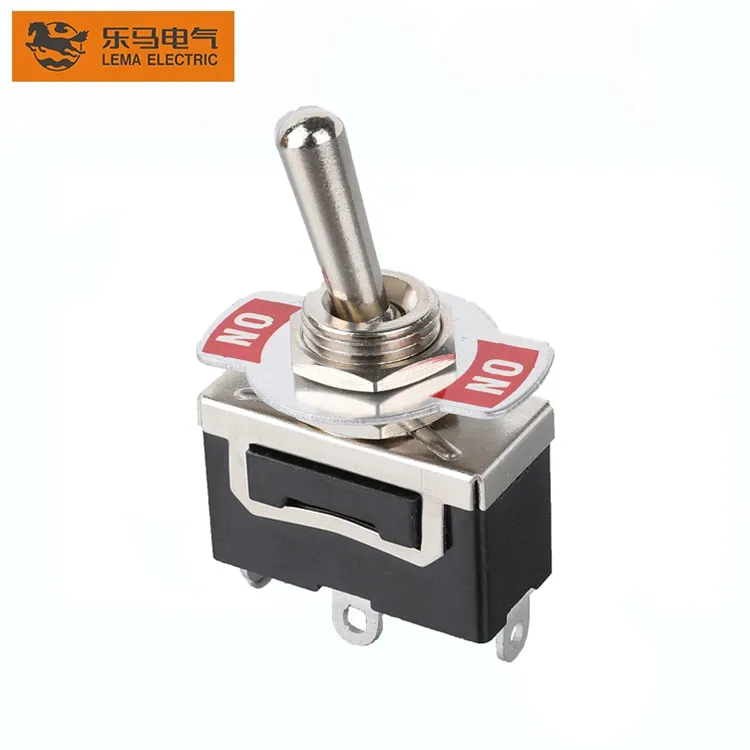
A mechanical guard is not automatically a waterproof boot. Sealed fronts often need a dedicated boot reviewed in the waterproof boot fit selection guide, sometimes in addition to a guard.
Do not assume one accessory solves both accidental actuation and ingress.
Part 5. Which labeling and service notes belong on the drawing?
Print cover-open instructions on the legend when operators must lift before throwing. Note whether the cover must rest open during a procedure or must snap shut after each use.
| Drawing note | Why it matters |
|---|---|
| Cover rest position | Prevents blocked sight lines |
| Lock hardware | Controls intentional access |
| Service removal | Avoids damaged hinges in the field |
Part 6. How should covered toggles be validated?
Validate accidental-bump trials, intentional operation with gloves if required, and full electrical function with the cover installed. Confirm maintenance can still reach terminals.
Fit Boundary: this guide plans cover and guard selection for OEM panels. It does not certify a safety function, IP rating, or electrical model rating.
Part 7. How can LEMA support a covered-toggle inquiry?
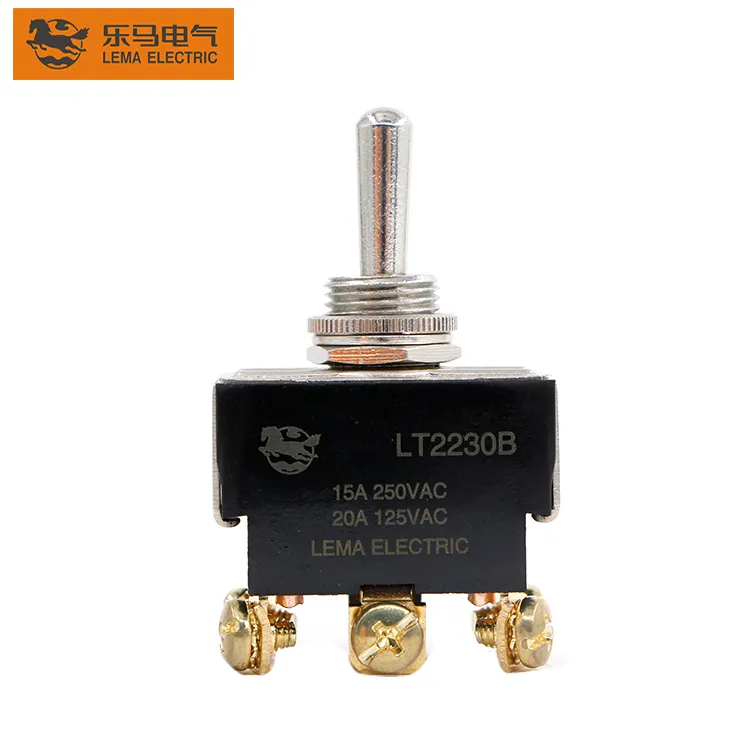
Use the LT1 series toggle switch page once the cover envelope and switch duty are documented. Supplier process expectations can also reference the manufacturer evaluation checklist.
Send with the inquiry:
- Accidental-actuation risk note and cover style
- Open/closed clearance envelope
- Circuit form, load, and boot needs
- Volume and sample timing
Product recommendation: request a documented LEMA review against the cover drawing. Do not approve a guard from a catalog thumbnail alone.
Send a toggle-switch RFQ with the envelope package attached.
## FAQs
When should a toggle switch use a safety cover?
Use a cover or guard when accidental lever motion can start equipment, apply power, or change modes in a high-traffic panel.
Is a safety cover the same as a waterproof boot?
No. Covers mainly limit accidental actuation; boots address front-panel moisture and dust sealing and need a separate fit review.
Do covers change panel cutouts?
They can. Capture bushing hardware, hinge swing, and adjacent clearance on the mounting drawing.
Can operators use gloves with a covered toggle?
Only if the cover geometry and lever travel were validated for gloved use; document that requirement early.
Does a cover make a switch safety-rated?
No. A cover is mitigation hardware, not automatic proof of a certified safety function.
What should a safety-cover RFQ include?
Include risk note, cover style, clearance envelope, switch duty, boot needs, volume, and sample timing.
## References