
A rubber cover is part of the panel assembly, not an independent waterproof promise. Review the cover, lever, bushing, front panel and service procedure together before releasing an OEM enclosure design.
Important: do not infer IP class, material compatibility, electrical rating, approval or service life from a cover photo. Confirm model-specific boundaries in the selected documentation. Source note: IEC 61058-1 publication scope and selected-model documentation.
– FAQ
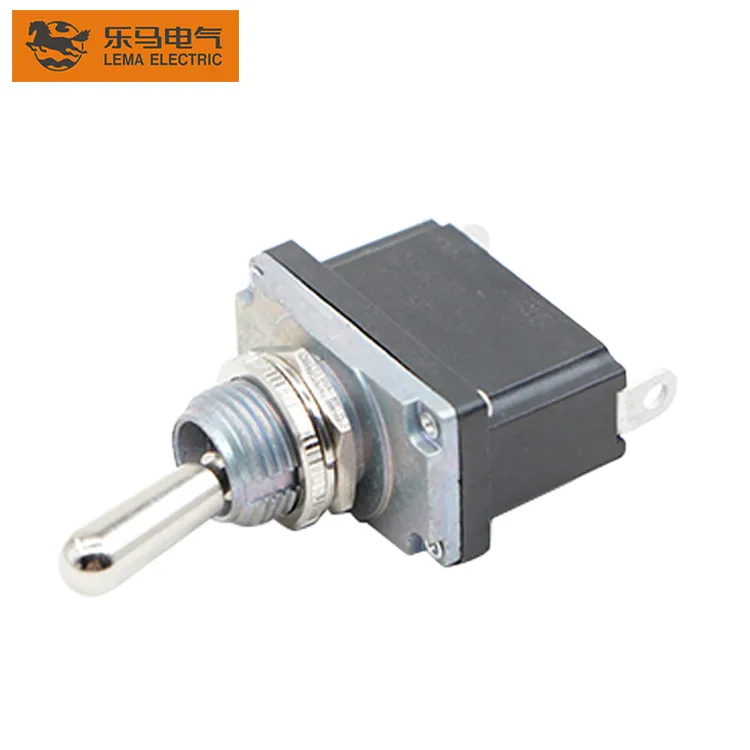
Part 1. What does a rubber cover change in a toggle panel?
The cover adds another interface between the operator and the panel. Its opening, lever travel, bushing location, retention approach and surrounding panel surface all affect the finished assembly. Treat those items as an engineered envelope rather than an accessory purchased after the switch is selected.
| Decision field | Record in the package | Send with quote |
|---|---|---|
| Geometry | Lever, bushing, cover opening and panel stack | Yes |
| Exposure | Splash, cleaning, dust and service context | Yes |
| Operation | Travel, glove use and accidental-actuation concerns | Yes |
| Service | Removal path, replacement and inspection access | Yes |
Use the LEMA Toggle Switch product line as a public starting point once the enclosure inputs are known.
Part 2. Which lever and panel dimensions belong in the RFQ?
Capture the selected lever envelope, bushing drawing, panel thickness, coating stack, cover opening, front clearance and rear access. The supplier needs the assembled dimensions, not just a request for a “standard boot.” Include how the operator reaches the lever and what panel labels or guards share the same front area.
The panel-mount guide provides the related cutout and clearance review.
Part 3. How should exposure be described without unsupported IP claims?
Describe exposure as an application condition: orientation, splash direction, washdown method, dust, temperature, chemical contact and service interval. A rubber cover can be part of a solution, but it is not a substitute for model-specific evidence. Record the intended environment before asking for a sealing review.
Use the IP67 waterproof toggle selection guide only for its documented selection process, not as a universal claim for every cover and switch combination.
Part 4. Which installation and service-access checks matter?
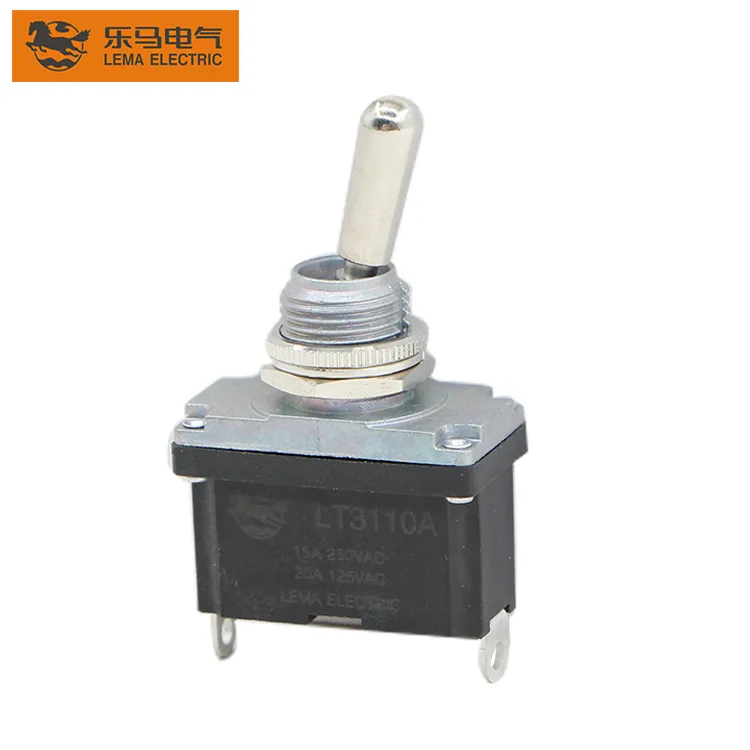
Install the cover on a representative panel and check full lever movement, return behavior where relevant, label visibility, front retention and the route for removing or inspecting the assembly. A cover that fits an unmounted sample can interfere with hardware, a guard or a panel overlay after final assembly.
- Verify clearance around the full lever sweep.
- Record the front-panel stack, including coatings and labels.
- Keep a defined replacement and inspection sequence.
- Review the boot and actuator-fit guide for related flexible-cover questions.
Part 5. Why must cover selection remain separate from electrical duty?
A front cover does not establish contact rating, load suitability, terminal process or circuit behavior. Keep those items in the main selection file and validate them against the selected model. Separating enclosure and electrical decisions prevents a cosmetic or mechanical feature from being treated as an electrical approval.
Part 6. What should be validated on the assembled panel?
Validate a production-intent panel for lever travel, operating access, label visibility, removal path and the documented exposure scenario. Compare the complete assembly with the selected-model documentation, then retain the test configuration with the sample decision.
Fit Boundary: this guide structures cover, panel and service planning. It does not certify ingress, electrical rating, approval, material compatibility or life for any model.
Part 7. How can LEMA support a rubber-cover inquiry?
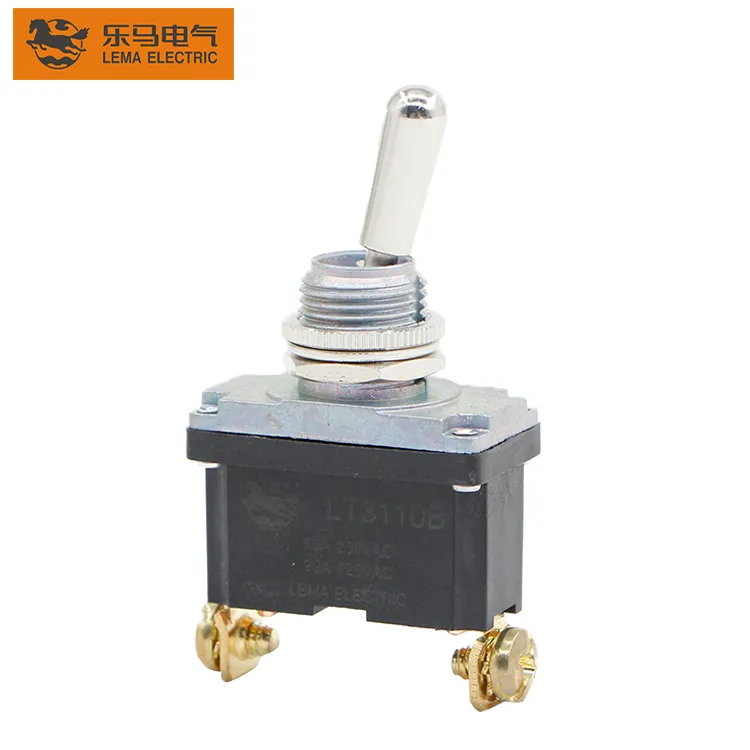
Use the LT3 series waterproof toggle switch route once panel geometry and exposure inputs are documented.
Send with the inquiry:
- Panel stack and cover/lever envelope
- Exposure and cleaning description
- Operating and service-access requirements
- Circuit, terminal, volume, sample timing and requested documentation
Send a toggle-switch RFQ with the assembled-panel package.
## FAQ
Does a rubber cover make every toggle waterproof?
No. Final ingress performance depends on the documented cover, switch, panel and application combination.
Which dimensions belong in a cover RFQ?
Include lever, bushing, opening, panel thickness, coating stack, front clearance and rear access.
Can a cover restrict lever travel?
Yes. Check full intended operation on the assembled representative panel.
How should replacement access be planned?
Document the removal sequence, nearby hardware, labels and inspection route before approving the panel design.
When is a sealed-series review needed?
When the documented exposure includes splash, washdown, dust or other ingress conditions that require model-specific evidence.
What should be validated before approval?
Validate the assembled panel geometry, travel, service access, exposure inputs and applicable model documentation.
## References