Auswahl der Kabelanschlusskappe für Limit-Schalter: Ein- und Ausgänge sowie Kabelpassung
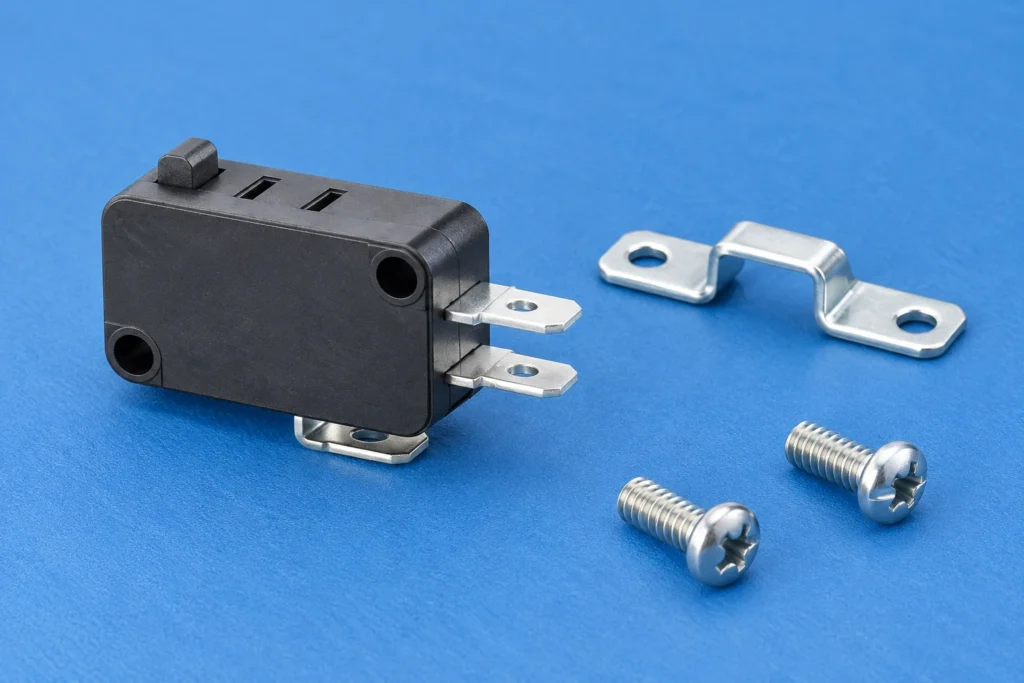
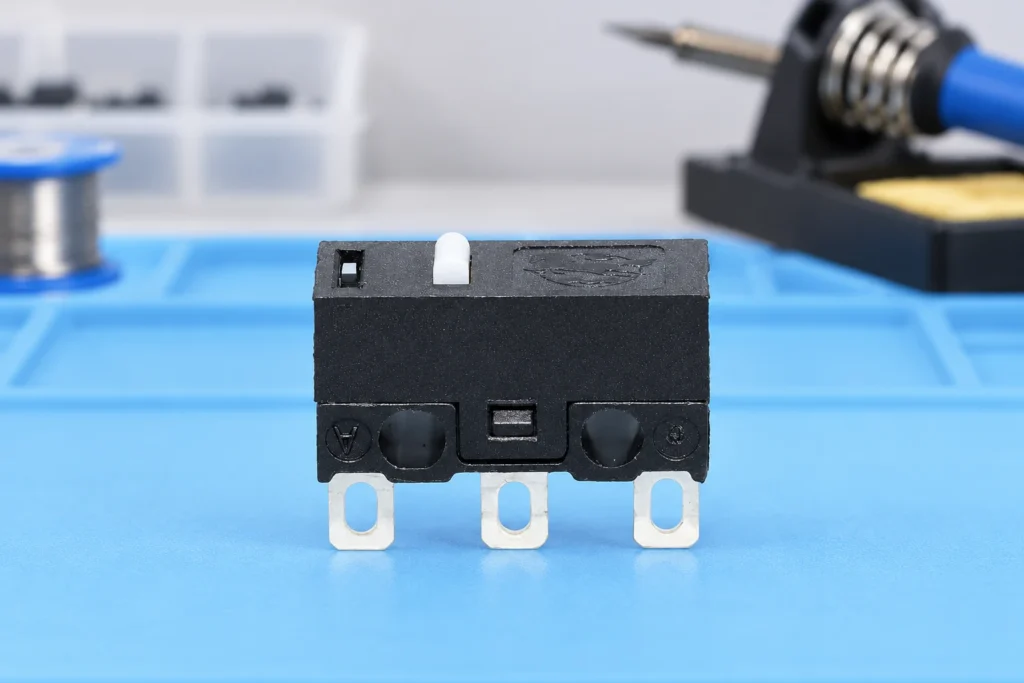
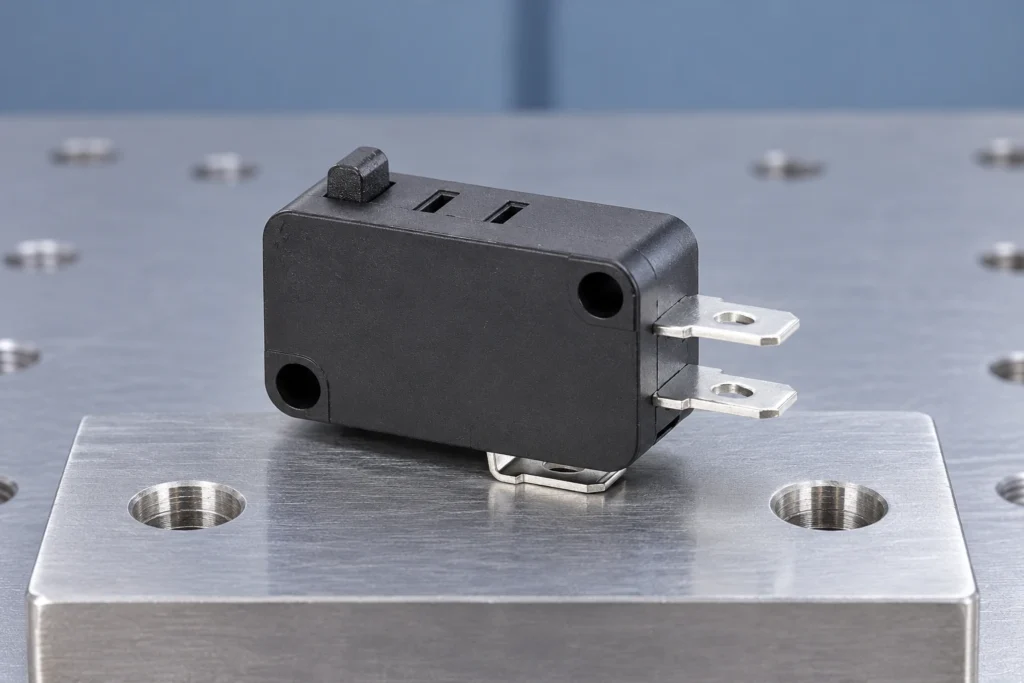
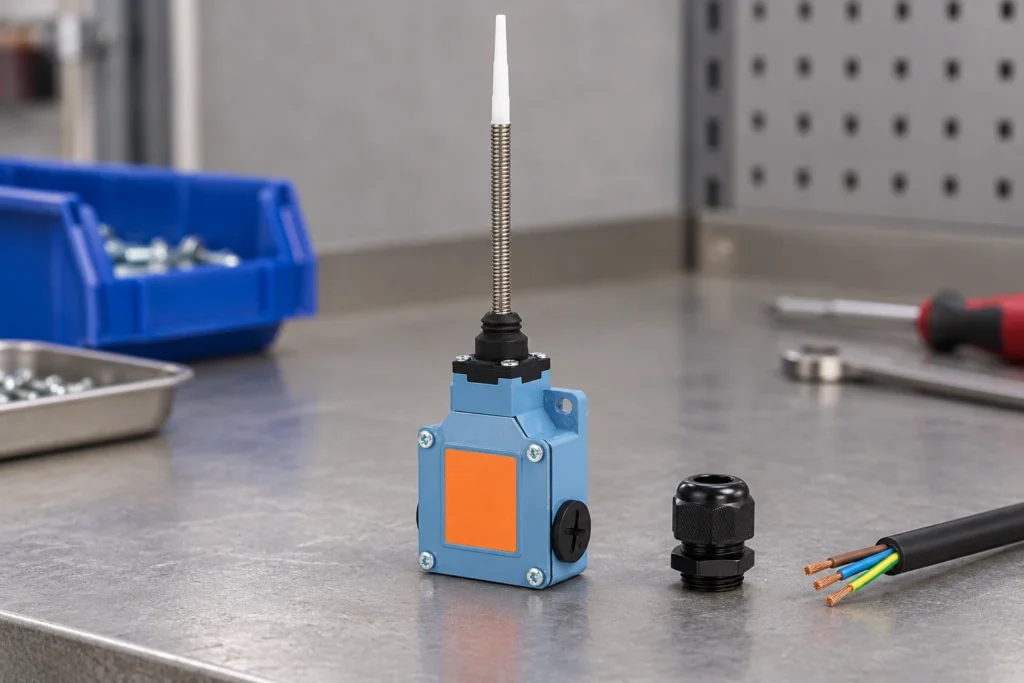
Bei der Auswahl des Kabelanschlusskabels für die Begrenzungsschalter müssen die tatsächlichen Anforderungen an den Gehäuseeingang, die Kabelmantel und die Montage berücksichtigt werden. Die Innengewinde und der Kabeldichtbereich sind separate Prüfungen. Ein Kabelanschluss, der in das Gehäuse eingeschraubt wird, kann dennoch nicht richtig an den Kabelanschluss anliegen oder ihn abdichten. Prüfen Sie die kontrollierten Zeichnungen und die Installationsanweisungen, bevor Sie ein Zubehör auswählen. Die LZ1-Serie mit Aluminiumlegierung als Hartkörper mit IP66-Schutzart ist der hier abgebildete LEMA-Produkttyp. Auf dem Foto ist das externe Produkt zu erkennen, nicht eine nicht eingetragene Bewertung, die Kompatibilität mit Zubehör oder Testergebnis. Erhalten Sie die aktuelle Spezifikation des vollständigen Bestellcodes, bevor Sie eine Montage genehmigen. Die LZ1-Schalter mit geschlossener seitlicher Einstecköffnung und Deckel auf einer Prüfbank. Produkt-Referenz-Abbildung, nicht ein Testresultat oder Installationszeichnung. Identifizieren Sie den Gehäuseeingang, bevor Sie Zubehör auswählen. Beginnen Sie mit der Zeichnung des Schalttafels und den Anweisungen des Lieferanten zur Montage. Erfassen Sie, ob die Öffnung gerundet oder für eine durchgehende, mit einer Sicherungsnuss versehene Drossel vorgesehen ist. Bei einer gerundeten Öffnung ermitteln Sie die Gewindegröße, die Steckweite, die Anstellanforderungen und die für diese Schnittstelle festgelegte Drosselanordnung. Ähnlich aussehende Gewinde können zusammen beginnen, jedoch nicht richtig anliegen oder eine ungeeignete Drosselwirkung erzeugen. Verwenden Sie beim Kompensieren eines nicht passenden Gewindegriffs kein Montage-Drehmoment. Widerstand beim Einbau kann auf Kreuzschneiden, beschädigten Beschichtungen, Ablagerungen oder inkompatibler Geometrie hinweisen, anstatt auf eine ordnungsgemäß angebrachte Verbindung. Erfassen Sie eine maßgebliche Spezifikation, wenn die Zeichnung unvollständig ist. Eine Prüfung eines lose angebrachten Probenstücks allein kann irreführend sein, wenn die Produktionsgehäuse aus unterschiedlichen Werkzeugen oder Fertigungsprozessen stammen. Überprüfen Sie die Sitzflächen an Außen- und Innenflächen. Eine Drosselringdichtung benötigt eine geeignete Kontaktfläche, während ein Sicherungsring Platz zum Einrasten benötigt, ohne mit internen Teilen zusammenzufallen. Dünne Wände, gekrümmte Oberflächen, eingekerbte Eingänge, gegossene Strukturen und die Nähe zu...
Mehr lesen