
Marine toggle selection begins with the actual exposure, not the word “marine.” Capture salt, splash, cleaning, vibration, panel materials, service interval and model evidence before approving a switch for a vessel or coastal system.
Important: material, color or a waterproof label does not prove marine certification, corrosion resistance, IP class, rating or life. Source note: marine exposure requires selected-model evidence; the IEC 61058-1 reference is only a standards-scope note.
– FAQ
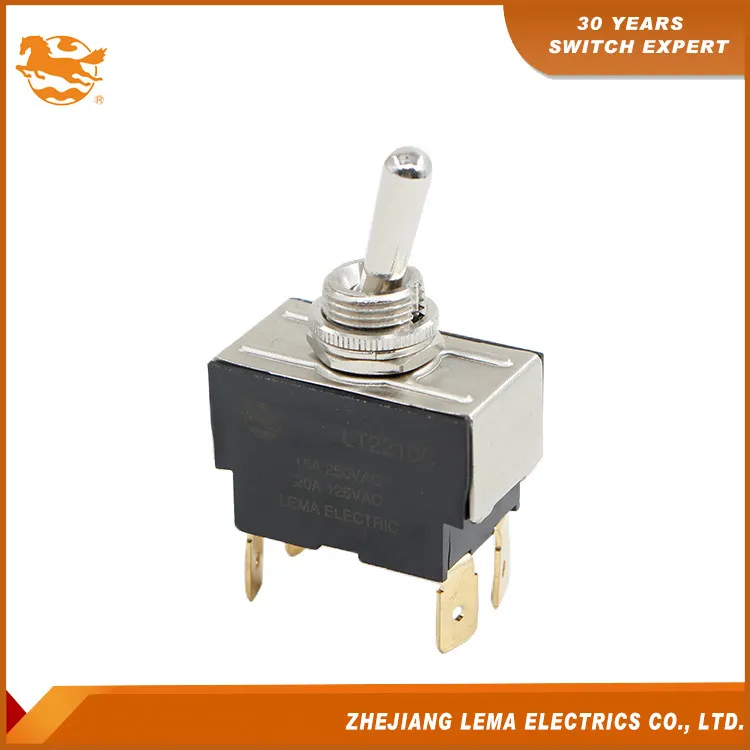
Part 1. What makes a toggle inquiry marine?
Marine context may include salt air, spray, washdown, condensation, vibration, limited service access and changing temperature. Put those conditions in the RFQ instead of relying on a product adjective.
| Input | Document | RFQ |
|---|---|---|
| Exposure | Salt, splash, cleaning and orientation | Yes |
| Panel | Material, coating and drainage | Yes |
| Service | Inspection and replacement interval | Yes |
Start at the LEMA Toggle Switch product line after inputs are defined.
Part 2. Which salt, splash and maintenance inputs belong in the RFQ?
State whether the panel is inside, exposed, near spray, or subject to a defined washdown method. Include cleaning chemistry, service intervals, vibration context and any condensation risk. Those inputs determine what evidence must be requested.
The IP67 sealing guide is a related process, not a universal marine claim.
Part 3. How should material and panel interfaces be reviewed?
Review panel material, coating, hardware, labels, bushing interface and drainage. A metal housing or stainless-looking finish does not by itself establish corrosion compatibility. Keep the panel stack and service plan in the same drawing package.
See the metal housing guide.
Part 4. Which sealing and service checks matter?
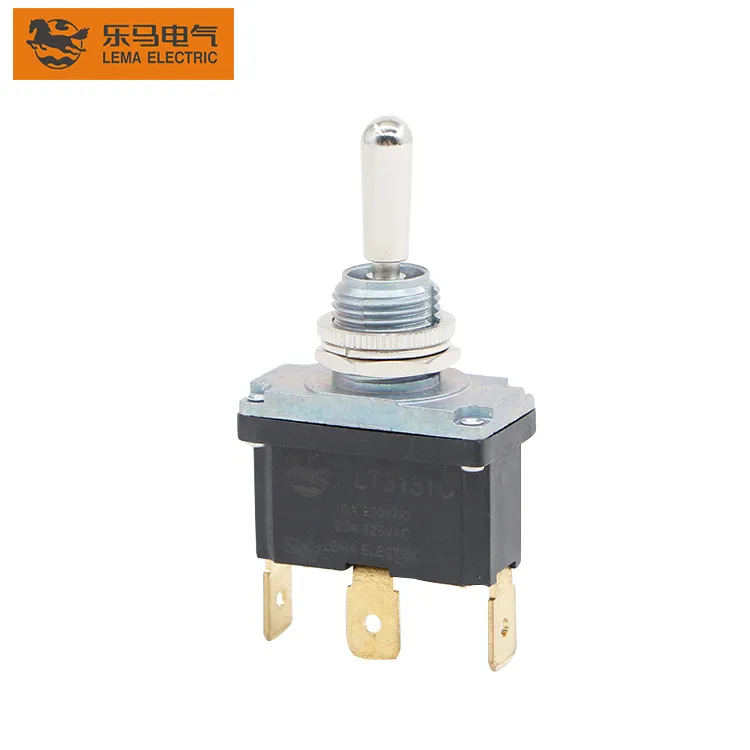
Check the assembled front panel, splash direction, cover or boot fit, lever operation, labels and removal path. Plan inspection so a service technician can identify deterioration, contamination or a damaged accessory before the panel is returned to duty.
For cover geometry, use the rubber-cover planning guide.
Part 5. Why must marine exposure stay separate from electrical rating?
Salt and splash review does not establish contact rating or load behavior. Keep voltage, load, inrush, terminals and circuit form in the electrical file, then request model-specific evidence for both electrical and environmental requirements.
Part 6. What should be validated before approval?
Validate a production-intent panel for operation, exposure assumptions, service access, label visibility and the selected documentation. Record the tested configuration and maintenance expectations with the sample decision.
Fit Boundary: this guide structures marine exposure and maintenance planning. It does not certify corrosion resistance, marine approval, ingress, rating or life.
Part 7. How can LEMA support a marine-toggle inquiry?
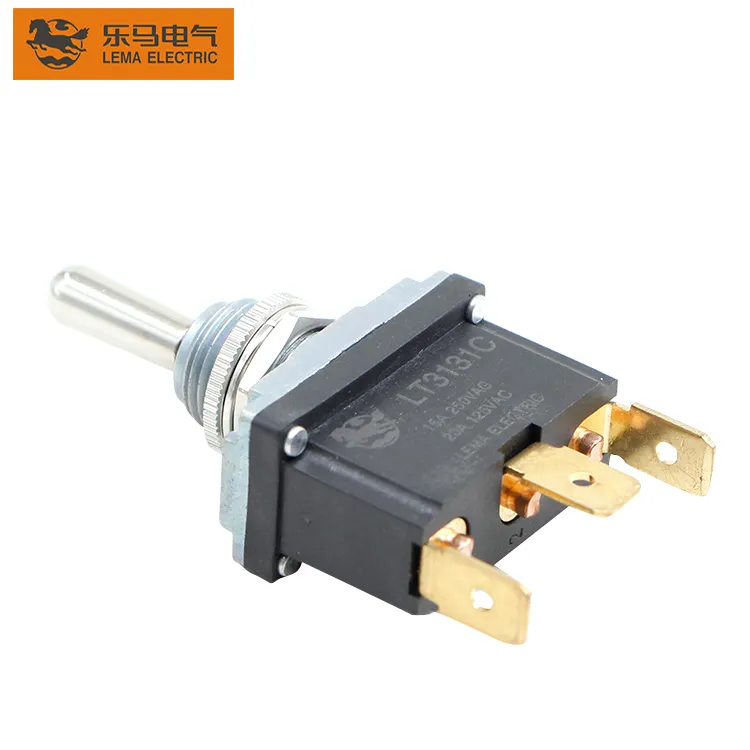
Use the LT3 series waterproof toggle switch route after exposure, panel and service inputs are documented.
Send a toggle-switch RFQ with salt, splash, cleaning, circuit and sample details.
## FAQ
What makes a toggle suitable for marine use?
A documented match between the actual marine exposure, panel assembly, maintenance plan and selected-model evidence.
Does stainless or metal prove corrosion resistance?
No. Material appearance is not evidence of corrosion performance or compatibility.
Which exposure details belong in a marine RFQ?
Include salt, splash, orientation, cleaning, vibration, condensation, temperature and service interval.
Is IP67 enough for every marine installation?
No. The exposure and model documentation must be matched; IP language alone is not a complete marine decision.
How should maintenance be planned?
Define inspection, cleaning, replacement access and records for the assembled panel.
What must be validated before approval?
Validate operation, exposure assumptions, service access and selected-model documentation on a representative panel.
## References