
Metal housing is an input to review, not proof that a toggle is ready for every environment. Define the panel material, finish expectation, exposure, rear access and terminal process before a buyer treats a metal toggle as a final selection.
Important: do not infer corrosion, ingress, current rating, approval or life performance from housing appearance. Confirm those boundaries with selected-model documentation. Source note: IEC 61058-1 publication scope and selected-model documentation.
– FAQs
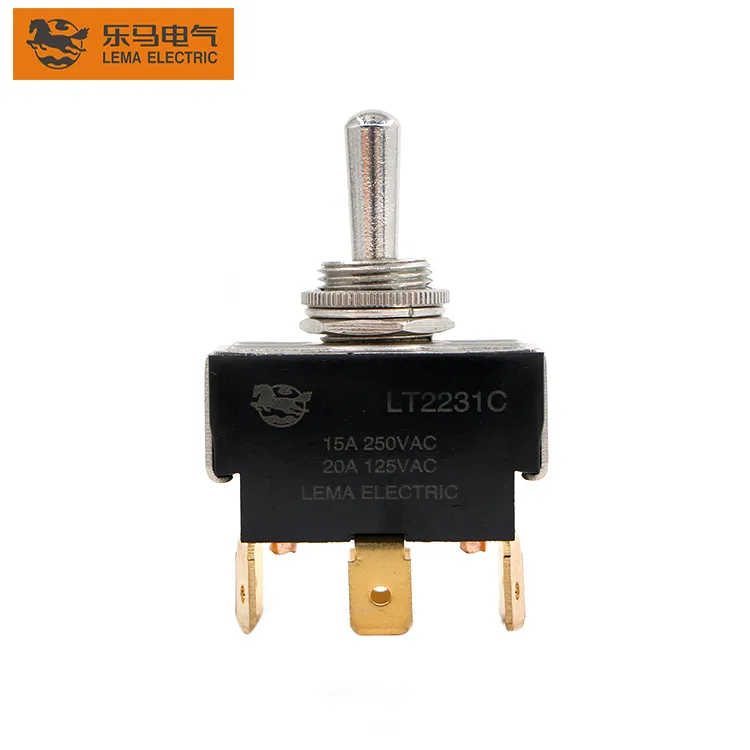
Part 1. What does metal housing change in a toggle selection?
A metal housing changes the interface discussion: panel contact, finish compatibility, bushing retention, grounding considerations where applicable, and service access. It does not collapse the electrical, environmental and approval checks into one material decision. Treat the housing as one field in a controlled selection file.
| Decision field | Record in the package | Send with quote |
|---|---|---|
| Panel | Material, thickness, coating and cutout | Yes |
| Exposure | Indoor/outdoor, cleaning, contamination and temperature context | Yes |
| Mounting | Hardware stack, clearance and service access | Yes |
| Electrical | Load, terminal process and circuit form | Yes |
Use the LEMA Toggle Switch product line as a navigation starting point after the selection file is complete.
Part 2. Which finish and panel inputs should an OEM document?
Specify the actual panel material and coating stack, not just a color. A plated, painted or stainless front has different assembly and service questions from an uncoated steel panel. Document any cosmetic zone, marking requirement, washer stack and cleaning method that could change the visible or mechanical interface.
The panel cutout and clearance guide provides the separate installation review needed after the housing preference is known.
Part 3. How should exposure be separated from unsupported sealing claims?
Describe the exposure in operational terms: splash direction, dust, washdown method, chemical contact, sunlight, vibration and service interval. Do not turn “metal” into an outdoor or waterproof promise. If a sealed front is required, route that need to the appropriate model documentation and a specific sealing review.
For a documented sealing and terminal discussion, see the IP67 waterproof toggle selection guide; it is not a blanket claim for every metal-housed toggle.
Part 4. Which mounting and service-access checks matter?
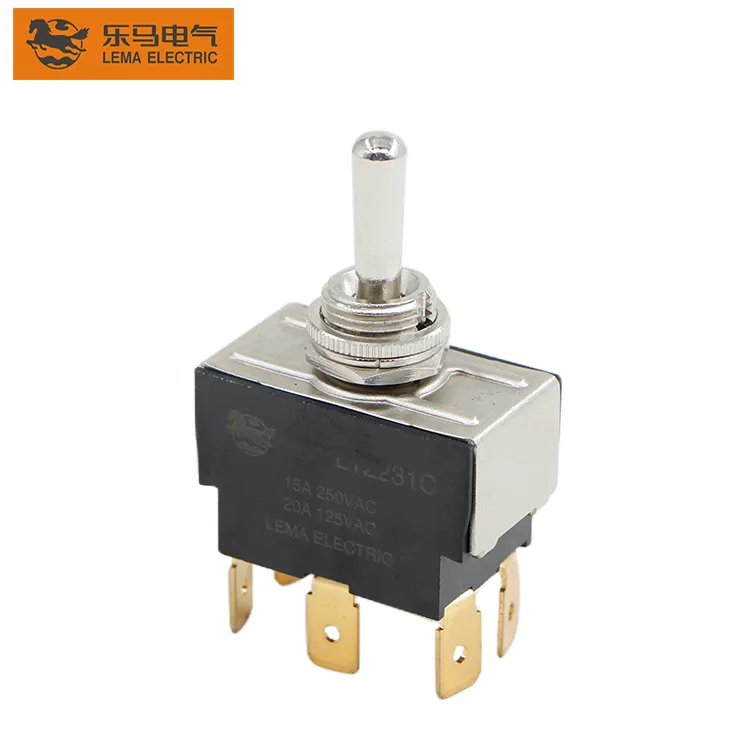
Review the complete front and rear envelope: lever swing, labels, optional guard or boot, lock hardware, terminal reach, connector mating space and removal path. The test panel should show whether the service tool can reach the hardware without damaging adjacent finish or wiring.
- Record panel thickness and coating stack.
- Leave service room behind the terminal area.
- Check label visibility after final hardware is installed.
- Review guards separately when they alter the front envelope.
Part 5. Why must terminal and load review stay separate?
Metal housing does not establish a contact rating or conductor method. Keep voltage, load type, inrush, circuit form and terminal process in the same file, then compare them with selected-model documentation. A panel can satisfy cosmetic goals while still failing the electrical or harness review.
Where duty is a central concern, use the heavy-duty rating and terminal review to organize the load inputs rather than relying on a material label.
Part 6. What should be validated before sample approval?
Build the intended panel stack, test the mounting and service sequence, verify circuit and terminal assignments, and check the available model documentation against the actual exposure requirement. Log the sample configuration so a change of finish, panel material or environment triggers a fresh review.
Fit Boundary: this article plans housing, panel and exposure inputs. It does not certify ingress, corrosion resistance, approval, current rating or service life for any model.
Part 7. How can LEMA support a metal-toggle inquiry?
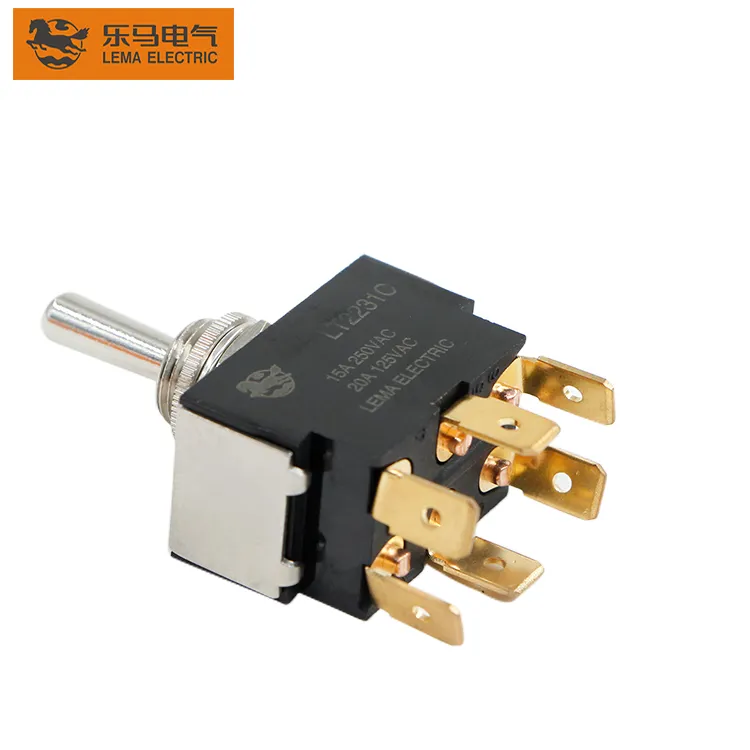
Use the LT1 series toggle switch page after the environmental and panel inputs are defined.
Send with the inquiry:
- Panel material, thickness and finish stack
- Exposure and cleaning context
- Cutout, front/rear clearance and service-access notes
- Circuit, load, terminal process, volume and sample timing
Send a toggle-switch RFQ with the panel and exposure package.
## FAQ
Does a metal toggle switch automatically suit outdoor use?
No. Outdoor suitability depends on documented model, sealing and exposure requirements, not housing appearance alone.
Which housing details belong in an RFQ?
Include panel material, thickness, finish, cutout, exposure, service access and the desired documentation.
Does metal housing prove a current rating?
No. Current rating and load suitability require selected-model documentation and a duty review.
How should finish and panel material be reviewed?
Review the full stack, including coating, hardware, labels, access and the service sequence on a representative panel.
When is a sealed-series review required?
When the documented exposure includes splash, washdown, dust or other ingress concerns requiring a model-specific boundary.
What must be checked before a sample is approved?
Check the panel stack, mounting, service access, circuit, load, terminal process and model documentation against the actual use case.
## References