
A metal push button switch puts a harder bezel and actuator on the panel face, but front-panel durability still depends on material grade, gasket torque, impact test scope, and whether the switch behind the head can survive over-travel. This guide contrasts metal and plastic bezels, separates anti-vandal marketing from IK proof, maps abuse paths that bypass a metal face, and shows what to freeze on drawings and samples before colour or LED options enter the RFQ.
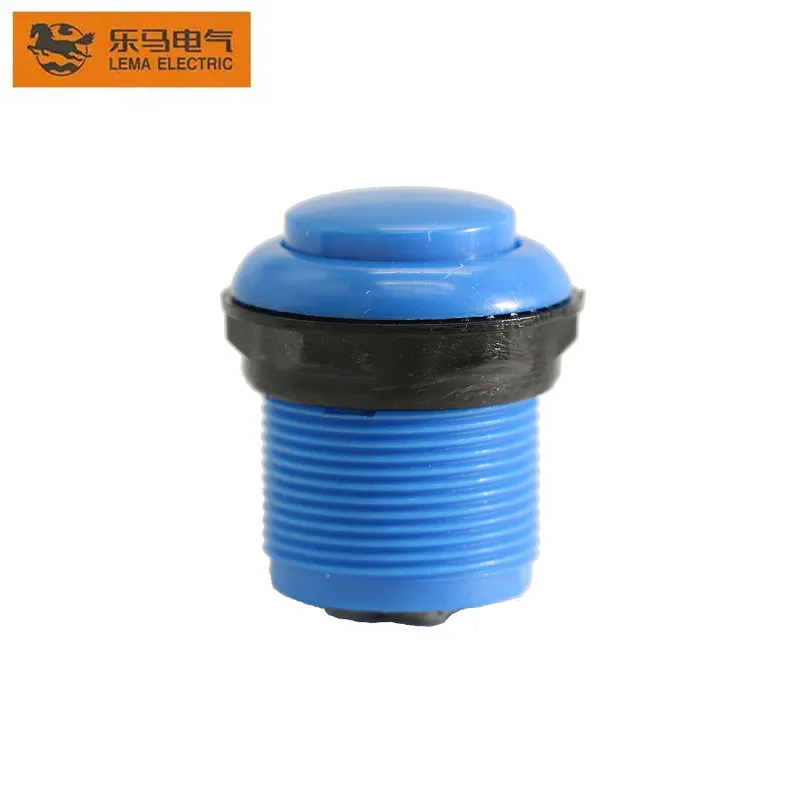
What a metal push button switch actually protects on the panel
A metal push button switch is not a single material specification. In procurement language it usually means the visible bezel and actuator are metal—often a stainless steel push button or nickel-plated brass in public-facing designs—so finger impact, key scratches, and daily panel wear hit a harder surface than a light-duty plastic panel switch head.
That front hardness is real, but it is bounded. The Bezel / actuator pair can still dent, spin in the hole, or leak behind the panel if the gasket stack, nut torque, or rear switch path is wrong. Treat “metal” as a front-abuse decision, not proof of IK impact class, ingress sealing, or internal contact life.
On a self-service kiosk, the metal ring is what survives thousands of impatient presses. On a factory door that sees gloved wipes and occasional tool contact, the same bezel may be overkill if the command sits inside a guarded enclosure. The question is what abuses the front will see, not whether the catalog photo looks industrial.
Metal bezel vs plastic heads for daily panel abuse
Metal bezels resist scratches, cigarette burns, and casual impacts better than many moulded plastic actuators on comparable panel mount push button designs. Plastic remains reasonable for controlled indoor panels where operators are trained and the head is not a public touch point.
The contrast is daily panel abuse, not environment and cycle duty on the same machine.
Some vandal-resistant families publish stainless or brass housings with IK10 front impact claims and IP65 or IP67 front sealing as series facts. Those numbers belong to the named family that tested them.
They are reminders that buyers should ask for test sheets, not transferable defaults for every metal-looking head.
| Front-panel cue | Lean metal bezel | Lean plastic head |
|---|---|---|
| Public or unsupervised touch | Higher scratch and dent resistance | Risk of cosmetic wear and actuator cracking |
| Controlled indoor OEM panel | May be unnecessary cost | Often sufficient when abuse is low |
| Cleaning with solvents or abrasives | Metal survives better if grade matches chemistry | Some plastics craze or dull quickly |
| Proof required on day one | Demand material grade + IK/IP scope on drawing | Still demand cutout and gasket proof |
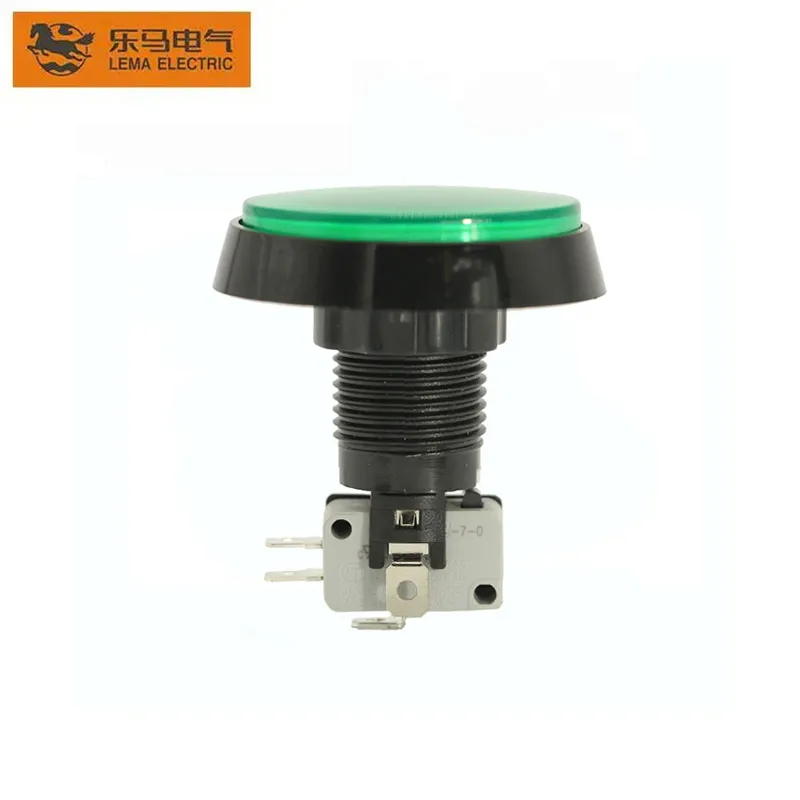
Picture a rental generator panel on a construction site. A metal bezel survives repeated wipes with gritty gloves.
A glossy plastic head may still work electrically while looking unprofessional after a month.
The opposite case is a sealed cabinet interior: a plastic operator saves cost when no one punches the face.
Anti-vandal marketing vs IK and seal proof buyers should demand
An anti vandal push button label describes intent—survive public abuse—not a standardized test by itself. When impact matters, ask for an IK code tied to a published test configuration. IEC 62262 classifies degrees of protection provided by enclosures against external mechanical impacts using IK codes from IK00 through IK11 on a joule energy scale, but only where the relevant product standard establishes impact protection for that enclosure.
The EN 62262 overview explains that each IK step maps to a defined impact energy and hammer test setup. A switch marketed as anti-vandal without an IK table has not shown impact proof in that framework. Likewise, a front IP rating on a datasheet normally applies to the tested front assembly with gasket and nut installed as specified—it does not automatically cover rear terminals or your whole enclosure.
| Buyer ask | What good proof looks like | What marketing alone cannot show |
|---|---|---|
| Impact resistance | IK code, test configuration, mounting as tested | “Anti-vandal” label without joule data |
| Front seal | IP rating with gasket/nut torque notes | Product photo with shiny bezel |
| Material grade | 304 vs 316 called on drawing | Generic “stainless” in a title |
| Operating life | Mechanical life at stated load | Appearance of a thick actuator |
When grade matters, call out 304 vs 316 on the drawing instead of a generic stainless title line.
Important: A thick metal bezel can still fail if installers over-torque the panel nut and crack the ring, or if users over-travel a PCB-mounted switch behind a tough external button. See the EEVblog tact-switch panel discussion for wet-zone false presses and the EN 62262 IK overview for why IK codes matter when impact is part of the requirement.
Panel wear: gaskets, torque, and fixing mistakes that defeat a metal head
Durability is also the mounting stack. A panel mount push button normally relies on an elastomer gasket between bezel and panel, plus a gasket / panel nut stack that sets compression. Installers who crank the nut to “make it waterproof” can crack a thin bezel or strip threads, which then lets the head rock and wear the panel paint in an oval pattern.
Powder coat and paint add thickness. Re-check gasket squeeze after finish. A metal head that looked flush in CAD can sit proud or bind once coating builds up, which changes how force transfers on each press.
Community panel designers also report torn rubber boots when users step on external buttons, pushing teams toward metal plungers that actuate a separate switch rather than a flexible boot alone. That is user-language evidence of panel wear paths, not a universal design rule—but it explains why a metal bezel alone does not end the conversation.
| Wear checkpoint | What to record on the drawing or sample note | Why metal can still fail |
|---|---|---|
| Gasket part number | Supplier stack-up with coating allowance | Leak or rock behind a perfect-looking face |
| Nut torque window | Min/max torque per supplier | Cracked bezel, stripped threads |
| Panel hardness | Aluminium vs steel door | Dimpling around the hole over time |
| Actuator profile | Flat, domed, or recessed | Recessed can aid tamper resistance; flat is easier to clean |
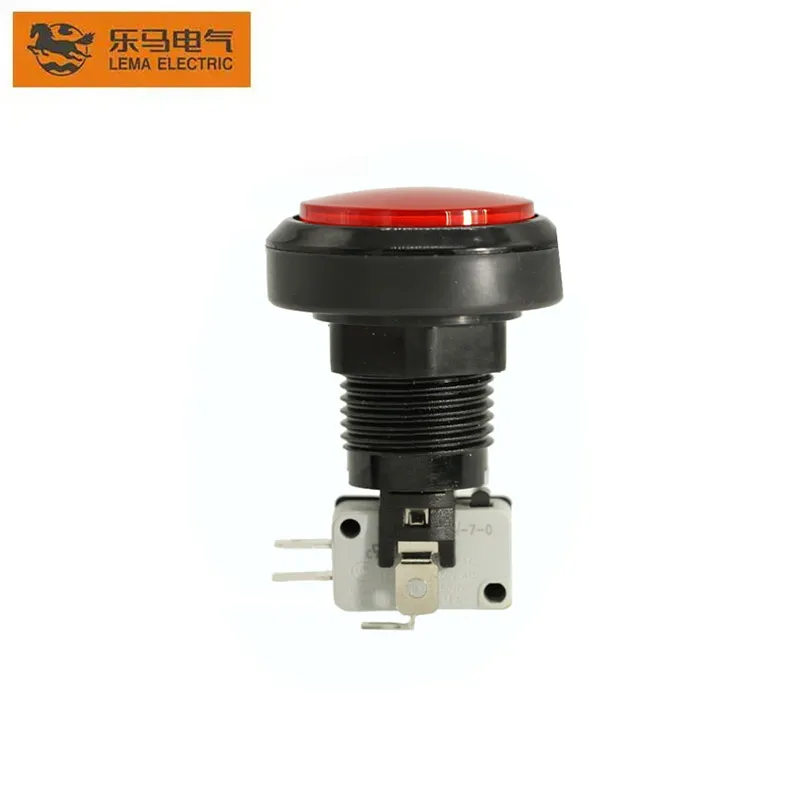
Abuse paths that bypass a metal bezel
Over-travel / abuse path failures show up when force travels into a weak point behind a hard bezel. Panel builders in community enclosure threads describe how ingress planning at panel holes must include actuator travel limits, not only a tough front ring. A common mitigation is a separate tough actuator that hits an internal switch with controlled travel, rather than letting a large external button flex the PCB.
Another maker note in tact-switch splash-proofing discussions is that spray can press a shallow switch unintentionally—the metal face looked durable while the sealing path or travel stop failed.
For OEM sampling, press the candidate the way an angry user would—quick jabs, palm lean, key twist near the bezel—and watch the rear switch and terminals, not only the cosmetic front. If the head spins or the rear micro-switch audibly over-compresses, fix the mounting path before arguing about stainless grade.
Drawing and sample proof before you trust a metal operator
Mechanical durability approval belongs on the drawing and the sample, not in a keyword. A panel-mounted push button specification explainer lists panel cutout, panel thickness, bezel footprint, and rear volume as separate checks. Add material grade, gasket stack, IK/IP scope when required, and a sample wear note after cyclic pressing.
Nominal 16 mm, 19 mm, or 22 mm labels are not drill programs. Use the supplier mounting drawing for hole tolerance, anti-rotation flats, and thickness window. IEC 60947-5-1 frames electromechanical control circuit devices including push-buttons, which is why disciplined hole geometry shows up in serious panel packages—but it still does not invent a metal grade for your chosen SKU.
| Proof item | Minimum evidence | Sample behaviour to watch |
|---|---|---|
| Cutout + thickness | Controlled panel drawing | Binding or gap after coat |
| Bezel footprint | Front view with neighbouring legends | Snag on gloves or tools |
| Gasket + torque | Supplier install sheet | Cracks at nut flats |
| Impact / seal (if required) | IK/IP table for tested config | N/A without lab data—do not guess |
| Abuse path | Section view of switch element | Over-travel click or PCB flex |
Freeze a sample ID on the RFQ. Photograph front wear after a defined press count in your test jig. If the supplier cannot map the sample to a drawing revision, metal marketing words are not an engineering approval.
When the panel also sits in a wet, dusty, or high-cycle zone, run the industrial push button switch selection guide in parallel so sealing and press frequency stay on the drawing—not only bezel hardness.
Selecting PBS Series options after metal and abuse requirements are documented
The PBS Series Push Button Switch page does not publish verified metal housing grade, IK rating, IP rating, certification scope, electrical ratings, or panel-cutout dimensions for this article to repeat. You cannot confirm front-panel metal durability or vandal resistance from that page alone.
Use PBS only after material and abuse requirements are documented:
- Front durability package — Drawing and sample show acceptable bezel wear, gasket stack, and torque window for your panel.
- Abuse path — Rear switch mount survives over-travel tests relevant to your users.
- Rating proof (if required) — Any IK/IP needs arrive as model-level test data, not inferred from photos.
Then the published PBS ordering fields matter: colour codes R, Y, B, G, P, and W; optional LED indication with or without illumination; and whether the exact type you want can take a KW7 micro switch—on some types, not every type. Those lines help operator recognition and contact-block selection; they do not prove a metal bezel or IK class.
If your specification still needs guaranteed stainless grade, IK10, or IP67 on day one, keep PBS in the comparison set only after model-level documents arrive. Durability proof and product approval stay sequential.
When the proof package is approved, request a quotation that names the sample ID, drawing revision, and wear notes—not “metal PBS” as shorthand.
Related LEMA push button resources
Review the LEMA push button switch range and the PBS Series push button product example. Continue with the push button colour standards guide, momentary versus maintained action guide, and control box indicator-light OEM guide.
Video: push button colour and control context
This educational overview from Industrial Electrical Warehouse explains common push-button colour conventions. It is supplementary context; the machine design, applicable standards and approved operating narrative govern the final assignment.
FAQs
What is a metal push button switch?
It is a panel operator whose visible bezel and actuator are metal rather than moulded plastic, chosen when the front face must resist scratches, impacts, and public wear. The internal switch element and mounting stack still need their own proof.
Does a metal bezel make a push button vandal proof?
No. A harder visible face survives daily scratches, but procurement-grade vandal resistance still needs published impact and seal tests—not label copy alone.
What is the difference between anti-vandal and IK rated switches?
Anti-vandal switch names intent; IK code names a tested impact-energy step under IEC 62262 where the product standard applies. A part can carry the first label without publishing joule data for the second.
How do gaskets and mounting torque affect front-panel durability?
The gasket sets seal compression between bezel and panel; the nut sets that squeeze. Too little torque leaks; too much cracks thin bezels or strips threads, letting the head rock and wear the panel finish.
Can a metal head hide a weak PCB-mounted switch behind the panel?
Yes. Heavy-handed presses can wreck a board-mounted element while the metal cap still looks fine. Chassis-mounted switch paths with controlled travel are the usual fix.
What should I verify on drawings and samples before approving a metal operator?
Freeze cutout, thickness, bezel footprint, gasket stack, torque window, rear keep-out, and—when required—IK/IP test configuration. Run sample presses that mimic real abuse and record front wear.
Can I confirm metal housing or IK performance from the PBS product page alone?
No. Treat colour and LED fields on the public PBS listing as ordering aids only.
Request verified metal grade, IK, IP, ratings, and cutout data on model drawings or test sheets before you rely on that page for durability proof.
Authoritative references
- OSHA: Control of Hazardous Energy — safety context for servicing and isolation.
- OSHA: Machine Guarding Introduction — context for operator controls near moving machinery.
- NIST: SI Unit of Electric Current — reference for current measurement terminology.