SPDT KW10 Limit Micro Switch: Terminals, Actuation and Selection
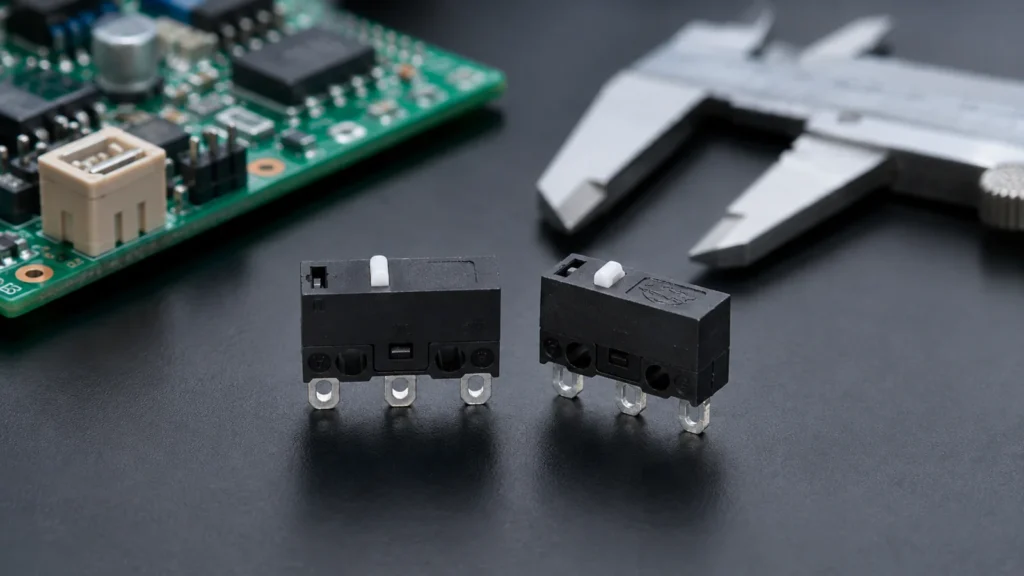
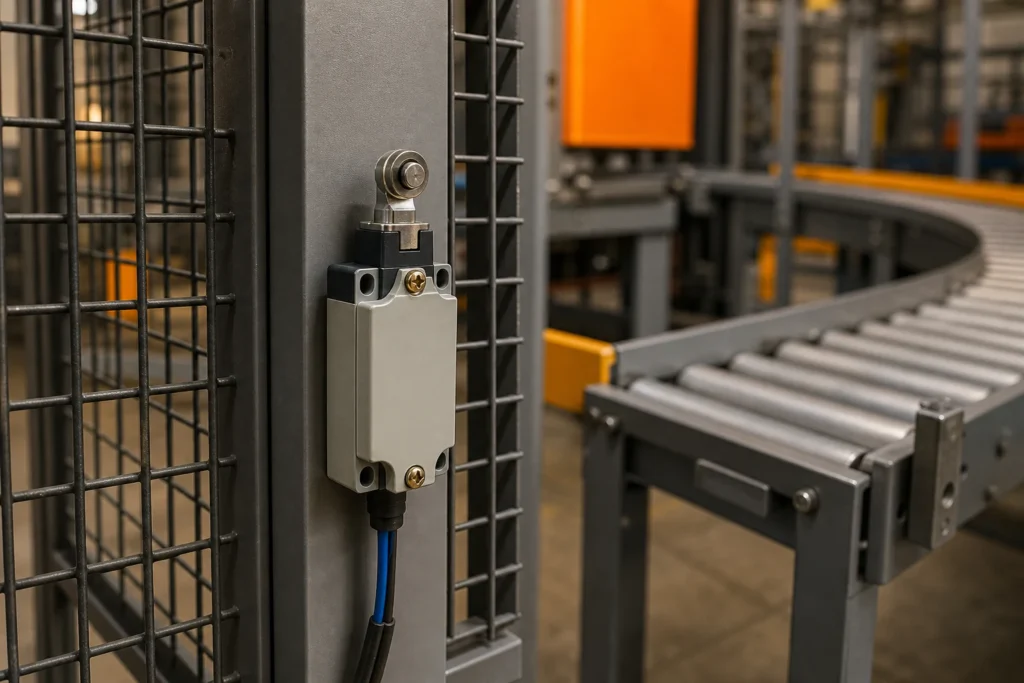
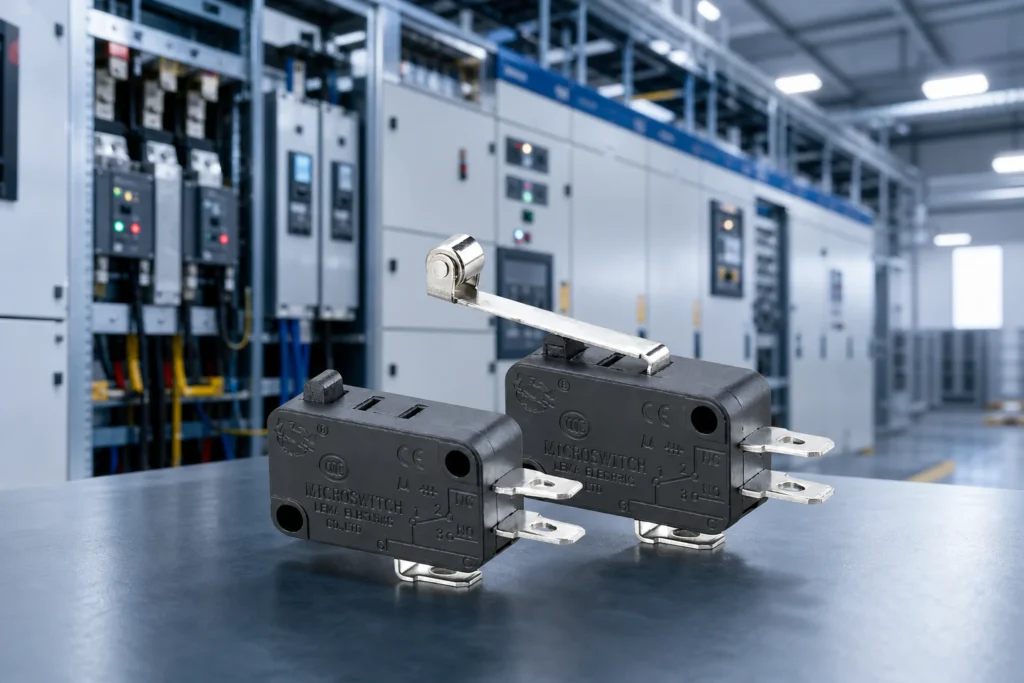
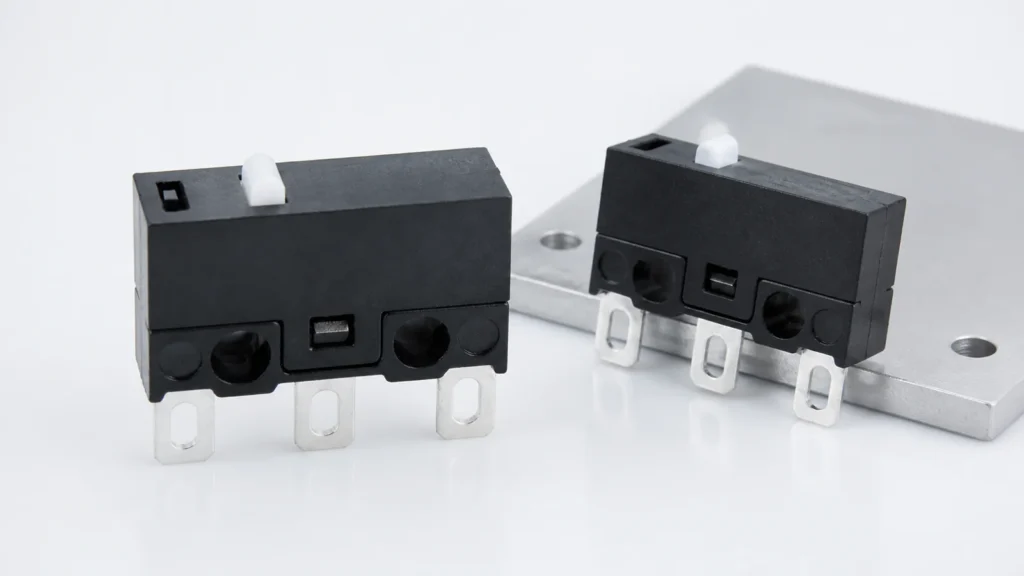
spdt kw10 limit micro switch became a priority because Google Search Console already shows real impressions for this topic on LEMA. That signal indicates an existing audience, but the previous site coverage did not fully match the question. This guide turns the query into a practical selection, integration and purchasing workflow for equipment designers, panel builders, maintenance teams and industrial buyers. A KW10-style SPDT micro switch normally exposes COM, NO and NC terminals. In the released state COM is connected to one throw; after actuation the snap mechanism transfers COM to the other. The family name does not guarantee identical terminal orientation, actuator force, life or electrical rating across suppliers and suffixes. Trace the markings on the exact component, confirm both states with an unpowered continuity test, and align the actuator so the target supplies adequate operating travel without crushing the plunger. Use the changeover contact to obtain the controller logic you need rather than assuming NO is always the preferred choice. Application view showing practical integration points for spdt kw10 limit micro switch. What spdt kw10 limit micro switch means in a real design A useful specification begins with behavior, not a catalogue photo. Write down what moves, what the operator or machine is trying to achieve, when the electrical state must change, and what should happen if a conductor opens or the device fails to reset. Separate the field device from the controller logic: a switch reports or commands a state, while the relay, PLC or control circuit decides how the machine responds. Similar product families often contain several contact arrangements, actuator styles, terminal forms and mounting versions. The family name helps discovery but does not define a...
Read More